Skip to content
Two clinics in Hyderabad.Two clinics in Hyderabad: Banjara Hills and Manikonda.Visit us

Hyperbaric Oxygen Therapy

HBOT Intensive Course (40 Sessions)

A structured 40-session hyperbaric oxygen course for a defined goal. It is shorter than the 60-session telomere study protocol, and we say so.

Duration
60-90 minutes per session
Sessions
40 sessions (4-5 per week over 8-10 weeks)
Downtime
None — daily sessions are well-tolerated
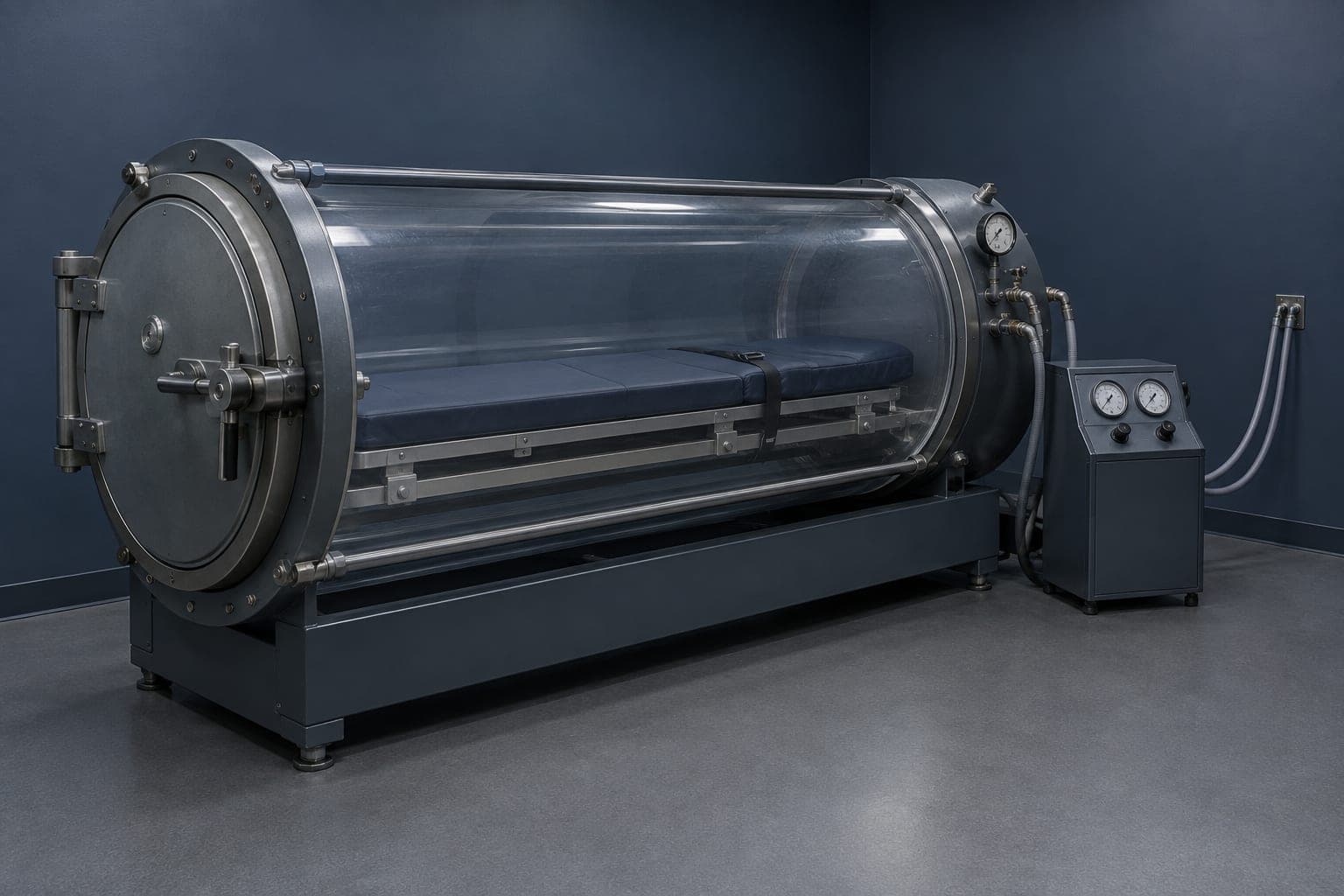
Clear acrylic monoplace hyperbaric chamber with its single head-end hatch closed, beside its operator console

Hyperbaric Oxygen Therapy: options

Overview

The best-known study of HBOT in ageing was published in 2020 by the Israeli group led by Professor Shai Efrati at Shamir Medical Center and Tel Aviv University (Hachmo Y et al., Aging). Thirty-five healthy adults aged 64 and over had 60 HBOT sessions over 90 days, breathing 100 percent oxygen at 2.0 ATA with scheduled air breaks, five sessions per week.

Telomere length in some immune-cell types rose by roughly 20 to 38 percent, and the share of senescent T-helper cells fell. These are interesting findings, but the study was small, had no control group, and has not been replicated in a controlled trial. It measured blood cells, not ageing itself, and it does not show that HBOT slows ageing or extends life.

The proposed mechanism is the "hyperoxic-hypoxic paradox". Repeated high-oxygen exposure, followed by a return to normal air, appears to switch on some of the pathways the body uses in response to low oxygen, including HIF-1 alpha and VEGF signalling and stem cell mobilisation. This remains a hypothesis under study.

Our 40-session course is shorter than that 60-session protocol, and we do not claim it reproduces those results. Forty-session courses are used in HBOT research for other goals. For example, a randomised crossover trial in 56 people with persistent symptoms 1 to 5 years after mild brain injury used 40 sessions of 60 minutes at 1.5 ATA, five days a week, and reported improvements in cognitive function and quality of life (Boussi-Gross R et al., PLoS One, 2013). Each of our sessions is 60-90 minutes at 1.5 to 2.0 ATA with scheduled air breaks, 4 to 5 times per week over 8 to 10 weeks.

This is a significant commitment of time and money. Before you start, your physician agrees a specific goal with you, such as recovery from significant injury or persistent post-concussion symptoms, and reviews your progress during the course. Baseline and post-course epigenetic age tests are included. They are research tools: they can show a change in a methylation marker, not whether your health or lifespan has changed. Book a consultation with our longevity physician to decide whether this course is appropriate for your goals and schedule.
What the evidence says

Evidence · Emerging

Plausible biology and early human data. We tell you what is and is not known. How we grade evidence

What it shows

HBOT is an established treatment for conditions such as decompression sickness, carbon monoxide poisoning and some non-healing wounds.

What it does not show

The telomere result came from 60 sessions in one uncontrolled study of 35 people. Our 40-session course is shorter, is not that protocol, and we do not claim it reproduces that result.

  1. 01
    Thom SR. Hyperbaric oxygen: its mechanisms and efficacy. Plast Reconstr Surg, 2011. (opens in a new tab)

    Review: trials support HBOT for refractory diabetic wounds and radiation injury; other uses need more study.

  2. 02
    Hachmo Y, et al. Hyperbaric oxygen therapy increases telomere length and decreases immunosenescence in isolated blood cells: a prospective trial. Aging, 2020. (opens in a new tab)

    One uncontrolled trial of 35 adults aged 64 and over, 60 sessions: telomeres in some immune cells lengthened by more than 20%.

What it can and cannot do

What it can do

  • Raise the oxygen dissolved in your blood well above what normal breathing achieves.
  • Rest on established medical uses: trials support it for refractory diabetic wounds and radiation injury.Source [1]
  • Show you, in a single session, how you tolerate the chamber before any course is agreed.

What it cannot do

  • Reproduce the telomere study. That used 60 sessions in one uncontrolled study of 35 people; this course is 40.Source [2]
  • Be given with an untreated collapsed lung or an active sinus or chest infection. These are screened for first.

Numbers in brackets point to the studies above. Medical review: a physician who did not write this page checks each line against the source it cites, and checks that nothing reads as a promised result. How we review

Who it's for

A good fit

  • Patients with a specific goal agreed with their physician
  • Persistent symptoms after mild brain injury, after specialist assessment
  • Severe injury or post-surgical recovery
  • Adults who understand that HBOT for ageing is still an area of research
  • Adults who want their results measured before and after the course

Talk to us first

  • Untreated pneumothorax
  • Concurrent bleomycin or cisplatin chemotherapy
  • Severe uncontrolled claustrophobia
  • Uncontrolled seizure disorder (oxygen toxicity risk at higher pressures)

Before your first session

  • Tell us about lung problems, chemotherapy, claustrophobia or a seizure disorder.
  • You are shown how to equalise your ears before the chamber is pressurised; expect pressure like a flight descending.
  • Plan 4 to 5 sessions a week for 8 to 10 weeks.
  • Time to allow: 60-90 minutes per session.

Your physician confirms at screening whether this is right for you. If anything above applies, tell us when you book.

What happens on the day

  1. 01

    Screening

    Ears, lungs, medicines and claustrophobia are reviewed before your first session.

  2. 02

    Pressurisation

    The chamber is pressurised gradually while you equalise your ears, much like the descent on a flight.

  3. 03

    The session

    You rest and breathe normally while the team monitors you: 60-90 minutes per session.

  4. 04

    Review

    Slow depressurisation, a quick check, then progress is reviewed across the course.

Equipment and method

  • 01Monoplace hyperbaric chamber (2.0 ATA)
  • 02Medical-grade 100% oxygen delivery
  • 03Sessions with scheduled air breaks
  • 04Pre/post epigenetic biological age testing

Physician oversight

Dr. Asritha, MD Anaesthesia, leads the execution of all IV therapy and HBOT protocols, ensuring clinical-grade safety, dosing accuracy, and emergency preparedness for every session.

Meet the clinical team

Questions people ask

Does HBOT slow ageing?

There is no good evidence that it does. One small 2020 study with no control group found longer telomeres in some immune-cell types and fewer senescent T-helper cells after 60 sessions. It has not been replicated in a controlled trial. Our 40-session course is shorter than that protocol, and we do not claim it reproduces those results.

Why 40 sessions and not 10 or 20?

Forty-session courses are used in HBOT research for some goals, such as persistent post-concussion symptoms. Your physician recommends a course length for your specific goal, and for some goals a 10-session course, or no HBOT at all, is the better choice.

What is the total time commitment?

At 5 sessions per week, the protocol takes 8 weeks. At 4 sessions per week, it takes 10 weeks. Each session is 60-90 minutes. We recommend scheduling sessions at the same time daily to build routine. Many patients use the session time productively — reading, listening to podcasts, or resting.

Is biological age testing included?

Yes. Baseline and post-course epigenetic age tests (DNA methylation clock) are included with the 40-session package. They show whether a methylation marker changed, which is interesting, but they are research tools and cannot tell you whether your health or lifespan has changed.

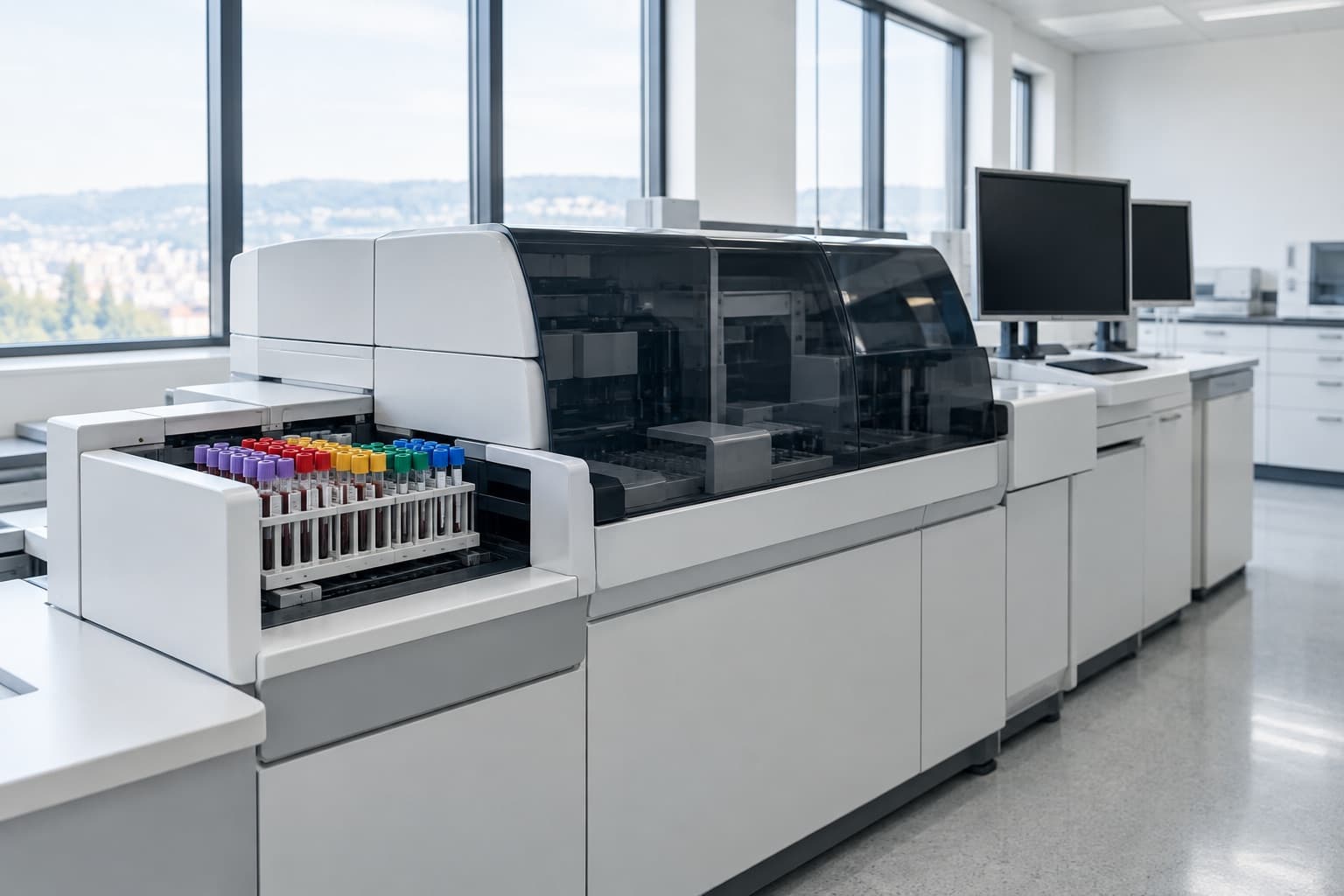
Automated blood analyser with a rack of collection tubes in a daylit laboratory

Evidence · Established

Comprehensive Biomarker Panel

The fasting blood panel in the 400+ parameter entry assessment: heart, metabolic, hormone, liver, kidney and inflammatory health, read with a physician.

30-45 minutes (blood draw) + 60-minute physician consultation

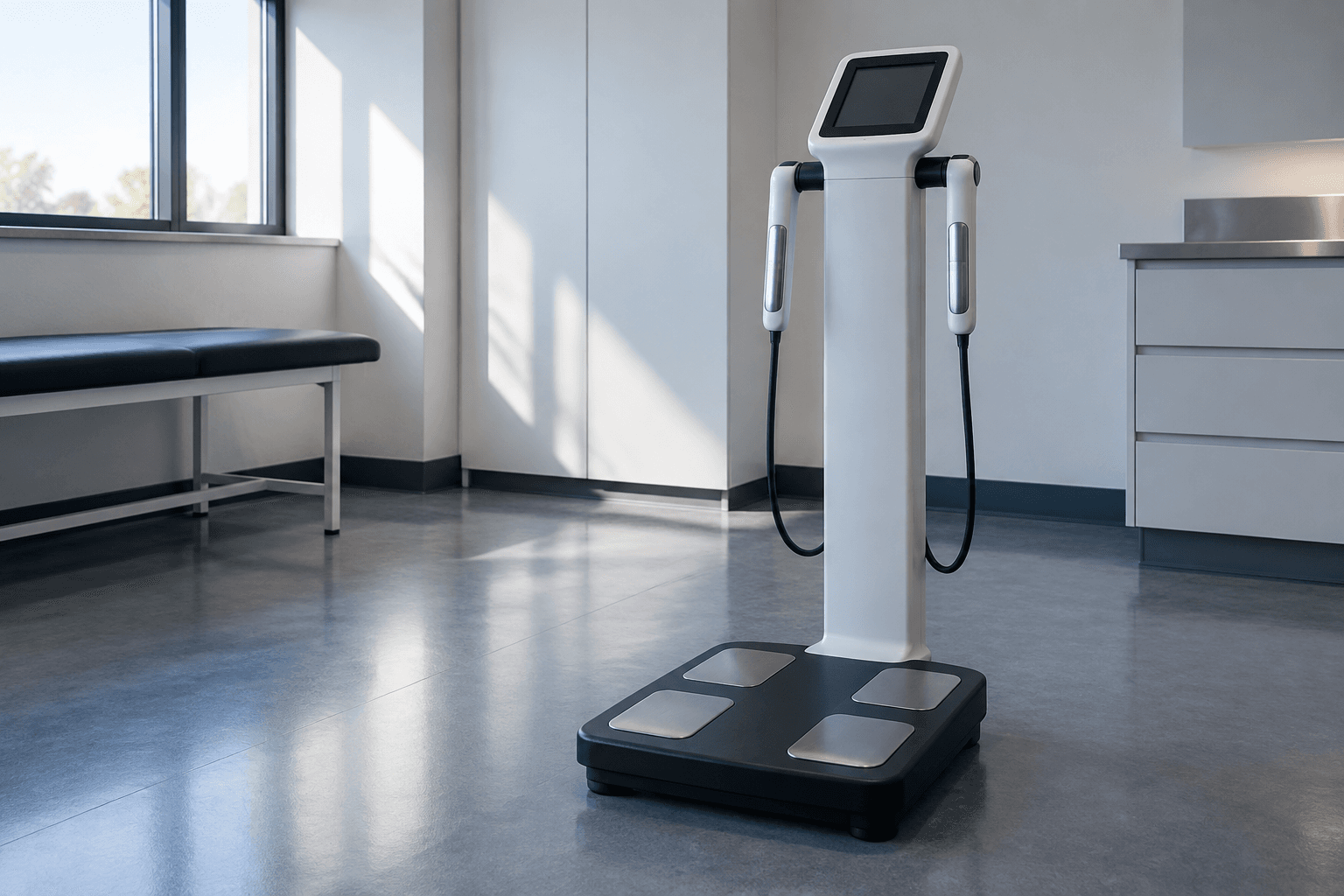
Standing bioelectrical impedance body-composition analyser in a clinic room

Evidence · Strong & indicated

InBody Body Composition Analysis

A 60-second bioelectrical impedance scan of muscle, fat, visceral fat and body water by body segment, reviewed with a physician.

60 seconds (scan) + 15-minute physician review

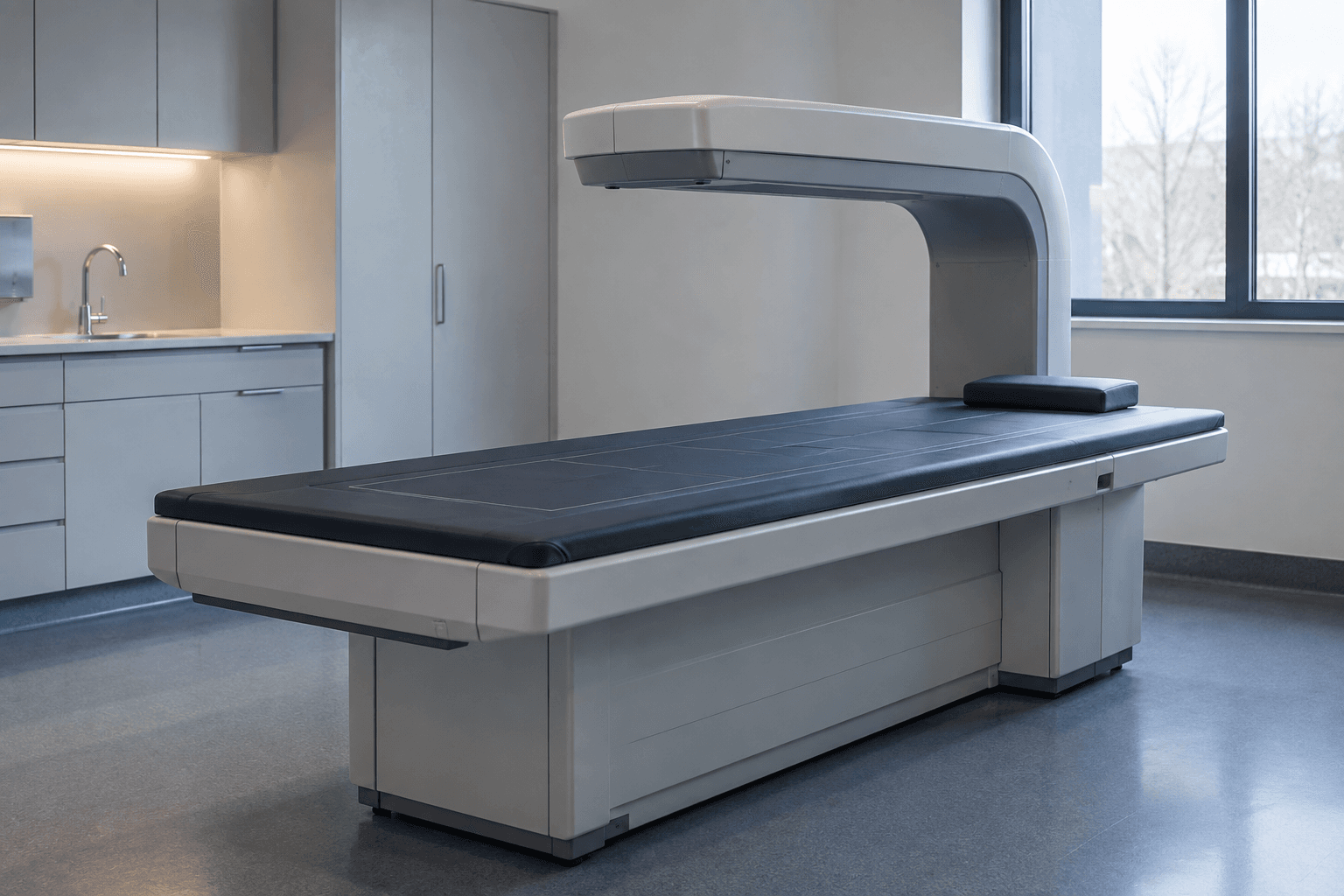
DEXA body-composition scanner with its scanning arm over the table

Evidence · Established

DEXA Body Composition Scan

Dual-energy X-ray absorptiometry, a reference method for measuring fat, lean mass, visceral fat and bone density region by region.

10-15 minutes (scan) + 30-minute physician review

Your biological age is a number you can measure.

Start with the 400+ parameter entry assessment and a 60-minute physician consultation at either Hyderabad clinic. Open seven days, 11 AM to 9 PM.

Book a consultation