Evidence · Strong & indicated
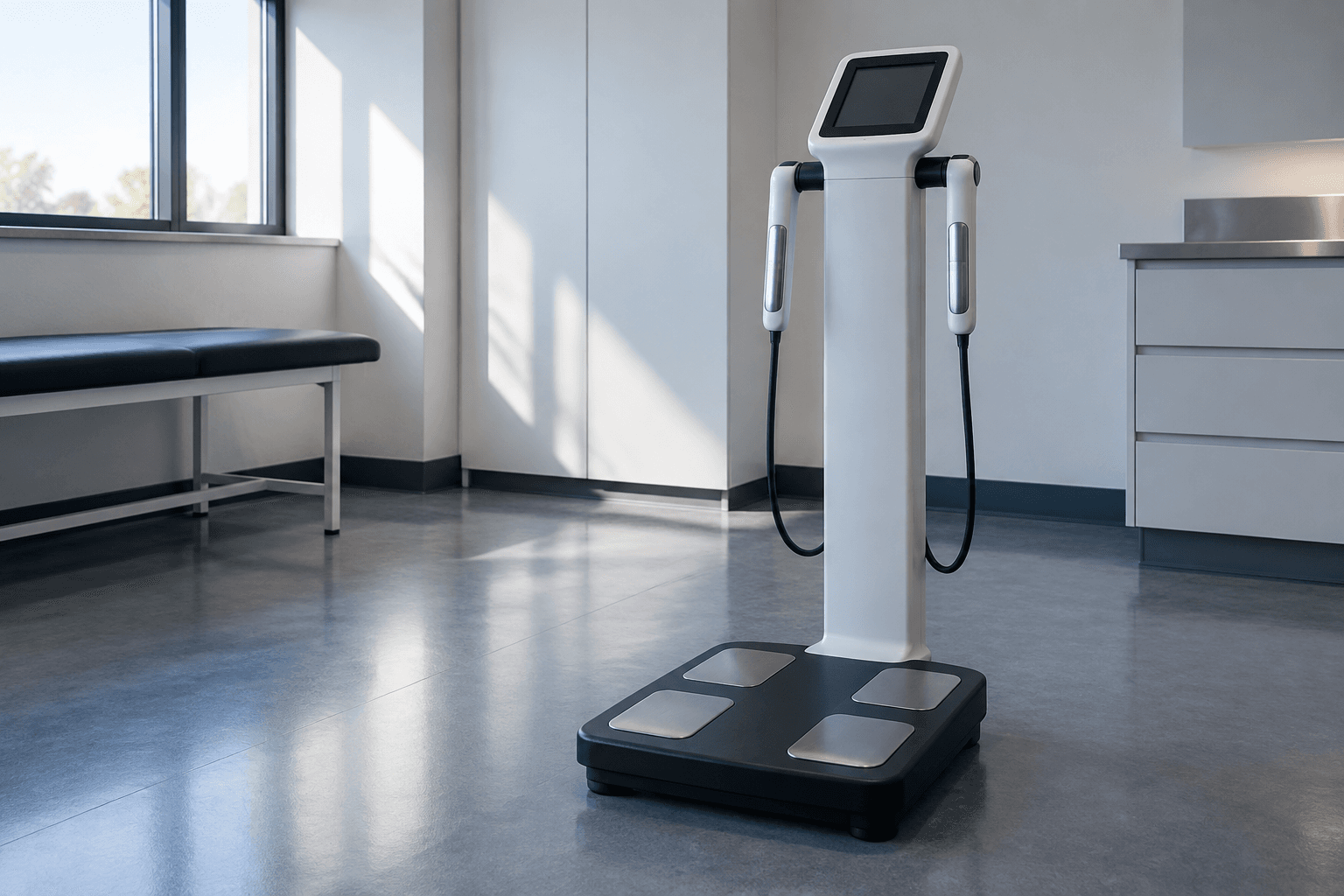
InBody Body Composition Analysis
A 60-second bioelectrical impedance scan of muscle, fat, visceral fat and body water by body segment, reviewed with a physician.
60 seconds (scan) + 15-minute physician review
Diagnostics & Assessment
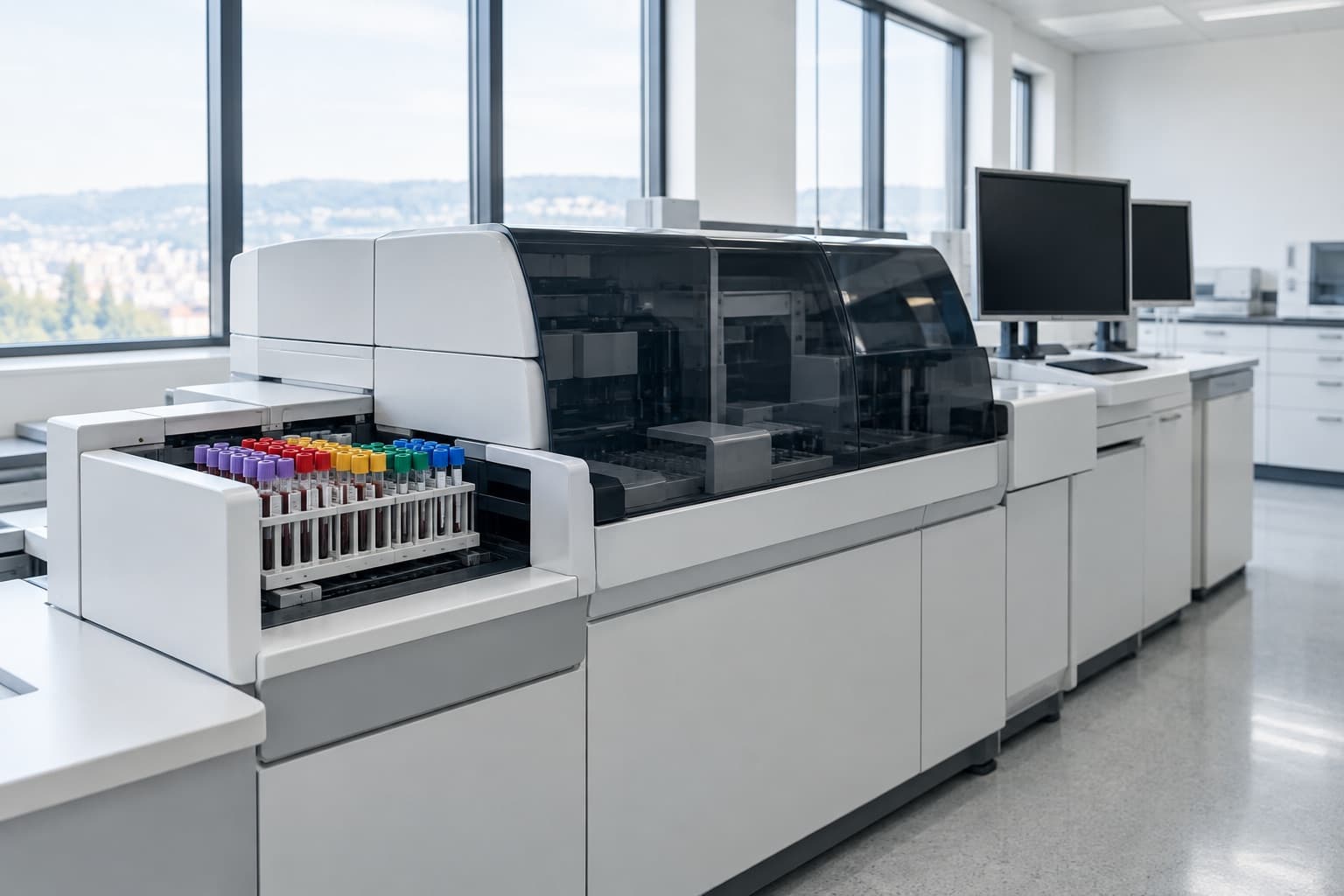
The fasting blood panel in the 400+ parameter entry assessment: heart, metabolic, hormone, liver, kidney and inflammatory health, read with a physician.
Most annual blood tests check a handful of markers and compare your results against reference ranges designed to catch disease — not to optimize health. The difference matters enormously. A fasting glucose of 99 mg/dL is "normal" by conventional standards, but from a longevity perspective, it signals early metabolic dysfunction that, left unchecked, compounds over decades into insulin resistance, cardiovascular disease, and accelerated biological aging.
Our Comprehensive Biomarker Panel is the blood work within the 400+ parameter entry assessment that every Genoryx package starts with. It covers multiple physiological systems: inflammation (hs-CRP, IL-6, TNF-alpha, homocysteine), metabolic health (fasting insulin, HOMA-IR, HbA1c, lipid particle analysis including Lp(a) and ApoB), hormonal status (complete thyroid cascade including reverse T3, sex hormones with SHBG, cortisol rhythm, DHEA-S), organ function (comprehensive hepatic and renal panels), micronutrient status (vitamin D, B12, folate, ferritin, magnesium RBC, zinc), and oxidative stress markers.
What makes this panel different is how we interpret results. Conventional lab ranges represent the statistical middle 95% of the tested population, a population that includes people with undiagnosed chronic disease. We read your results against the levels linked with lower disease risk in published cohort studies, not only against the lab's reference range. Where the evidence for a tighter target is strong, we say so. Where it is weak or disputed, we say that too.
Every panel includes a detailed physician consultation where your results are contextualized against your health history, family risk factors, and personal goals. This is not a lab report you receive by email — it is the foundation of a data-driven health strategy. Book a consultation with our longevity physician to determine which panel tier is right for you.
Backed by large studies or guidelines and part of standard practice. How we grade evidence
What it shows
Standard markers such as ApoB, HbA1c and lipids predict heart and metabolic disease, and South Asians develop that risk earlier and often undiagnosed.
What it does not show
A longer panel is not automatically better. Some markers have no agreed action, and an out-of-range result needs a physician’s context before it means anything.
The number of ApoB particles, more than the cholesterol they carry, drives atherosclerotic risk.
Case-control study of about 30,000 people: nine modifiable risk factors, including abnormal lipids, accounted for about 90% of heart-attack risk.
In 57,117 adults, 7.3% had diabetes and 10.3% prediabetes; almost half of those with diabetes had not been diagnosed.
Numbers in brackets point to the studies above. Medical review: a physician who did not write this page checks each line against the source it cites, and checks that nothing reads as a promised result. How we review
A good fit
Talk to us first
A few of the markers that most often change a plan. Each links to what it measures and how to read it.
Your physician confirms at screening whether this is right for you. If anything above applies, tell us when you book.
Before you arrive
Preparation instructions, such as fasting for blood work, are sent when you book.
The test
Consent and basic vitals, then the assessment itself: 30-45 minutes (blood draw) + 60-minute physician consultation.
Physician review
A Genoryx physician takes you through the results against your history and goals.
Your plan
A written summary with clear next steps and when to retest.
Every result is reviewed with you by a Genoryx physician, against your history and goals. Results are interpreted in context, not as a stand-alone diagnosis, and anything that needs specialist follow-up is referred on.
Meet the clinical teamA routine checkup typically measures 20-30 markers and uses disease-detection reference ranges. This blood panel is part of the 400+ parameter entry assessment that every package starts with, and interprets results against longevity-optimized ranges — identifying dysfunction years before it becomes diagnosable disease. Think of it as the difference between checking whether your car runs and a full diagnostic scan of every system.
At minimum, a longevity-focused panel should include fasting insulin (not just glucose), hs-CRP, ApoB, Lp(a), complete thyroid cascade with reverse T3, vitamin D, homocysteine, and HbA1c. Our Comprehensive Panel covers all of these, as part of the 400+ parameter entry assessment. Your physician explains which results matter most for you during the consultation.
We recommend a baseline panel followed by a reassessment at 3-6 months to track how interventions (nutrition, exercise, supplementation, therapies) are shifting your biomarkers. After optimization, annual or biannual retesting is sufficient for most individuals.
Yes. A 10-12 hour fast is required for accurate measurement of fasting glucose, fasting insulin, lipid fractions, and metabolic markers. You may drink water. We schedule morning appointments to make fasting easier.
Evidence · Strong & indicated
A 60-second bioelectrical impedance scan of muscle, fat, visceral fat and body water by body segment, reviewed with a physician.
60 seconds (scan) + 15-minute physician review
Evidence · Established
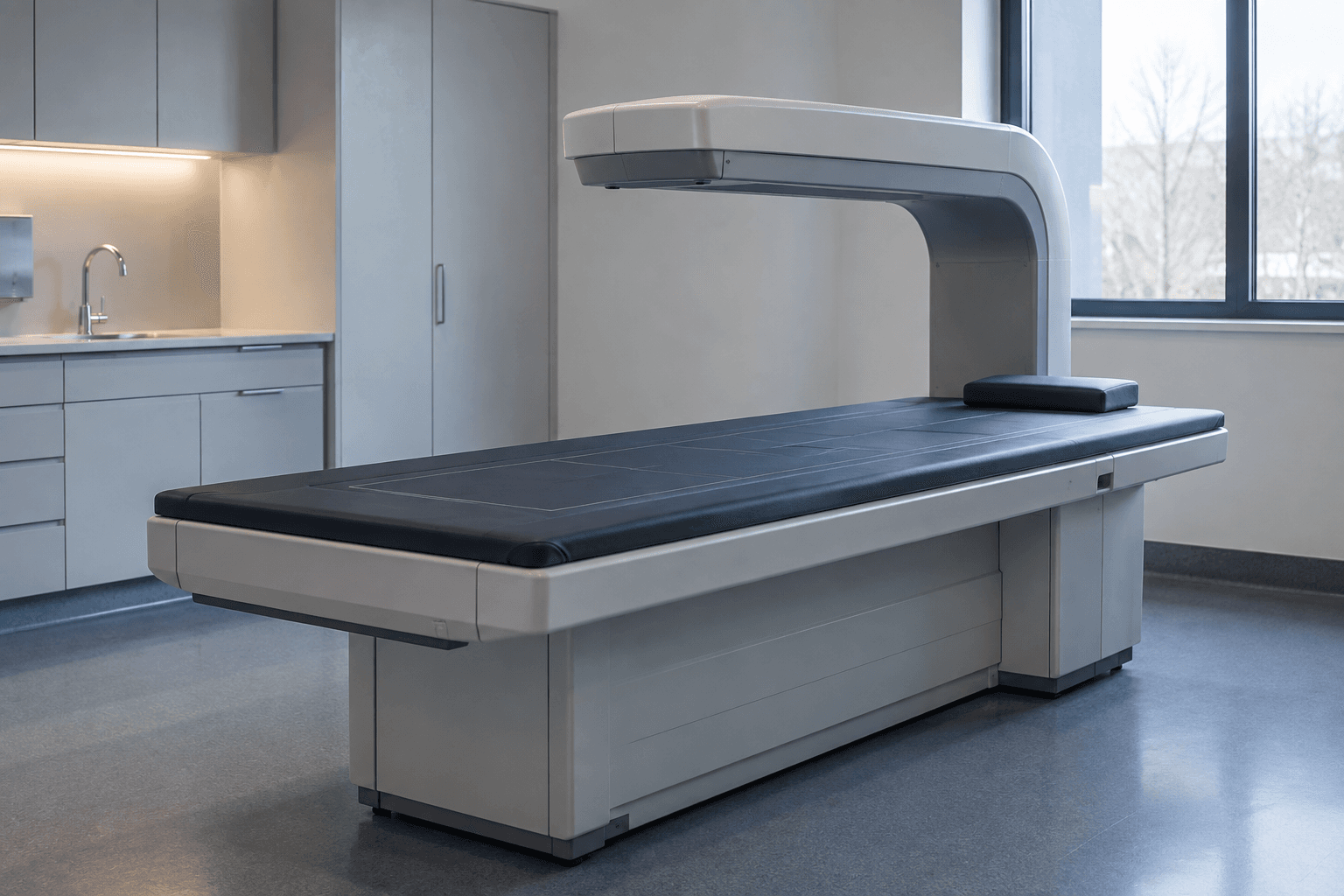
Dual-energy X-ray absorptiometry, a reference method for measuring fat, lean mass, visceral fat and bone density region by region.
10-15 minutes (scan) + 30-minute physician review

Evidence · Established
A cardiopulmonary exercise test of your maximum oxygen uptake, one of the strongest predictors of long-term health, with your training zones.
45-60 minutes (including warm-up, test, and cool-down)
Start with the 400+ parameter entry assessment and a 60-minute physician consultation at either Hyderabad clinic. Open seven days, 11 AM to 9 PM.
Book a consultation