In this article
Breathing Under Pressure
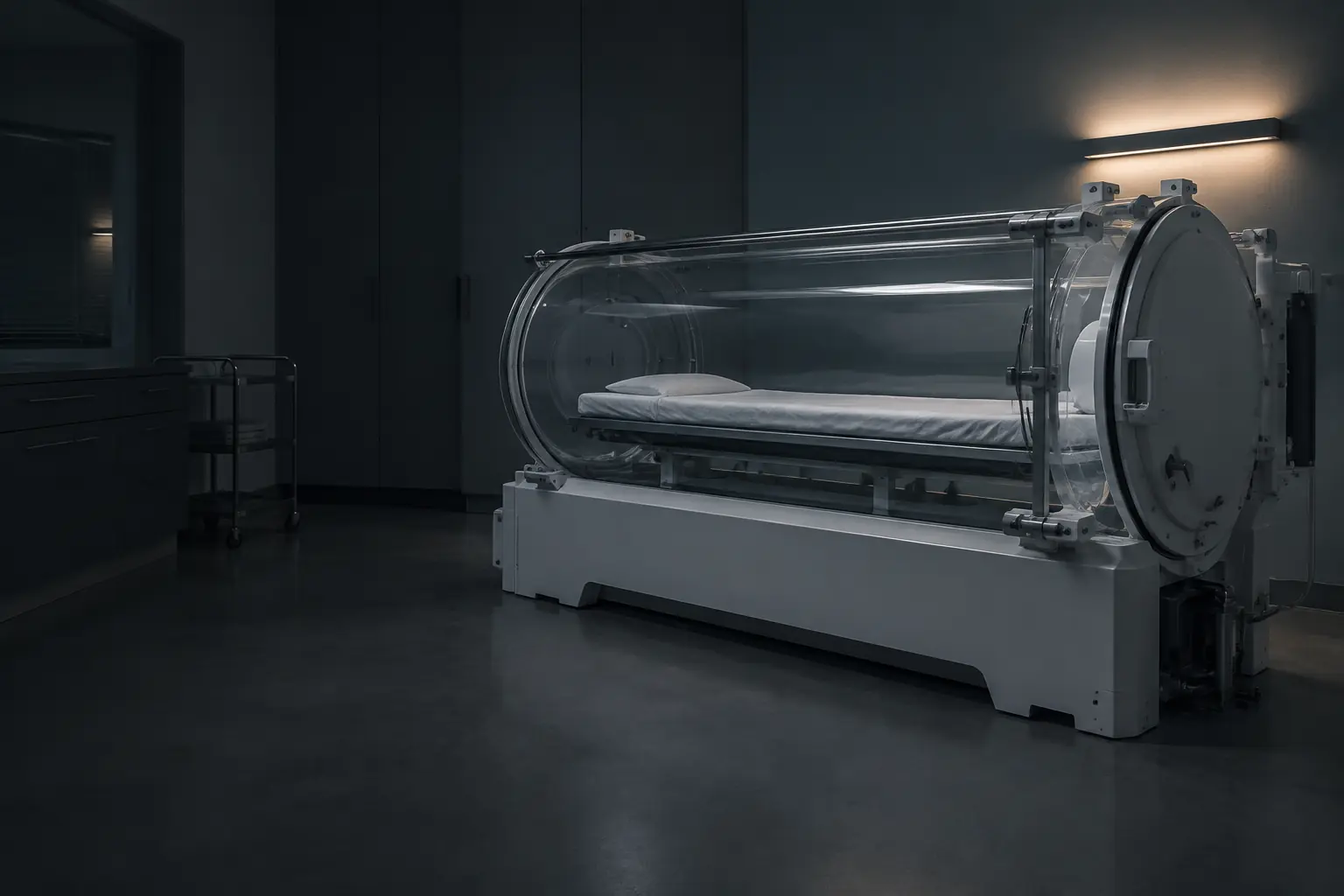
At sea level, the air you breathe contains approximately 21% oxygen at 1 atmosphere of pressure. During hyperbaric oxygen therapy (HBOT), you breathe 100% oxygen at pressures typically between 1.5 and 3.0 atmospheres. The physics are straightforward: increased pressure forces dramatically more oxygen to dissolve in your blood plasma — up to 10-15 times the normal amount.
This is not just more oxygen. It is a fundamentally different oxygen delivery mechanism that bypasses the hemoglobin bottleneck and reaches tissues at concentrations your body normally never experiences.
The Cellular Mechanisms
The effects of HBOT extend far beyond simply "more oxygen." The supraphysiological oxygen concentrations trigger several important biological cascades:
Angiogenesis: HBOT stimulates the formation of new blood vessels in hypoxic (oxygen-deprived) tissues. This is mediated by increased expression of vascular endothelial growth factor (VEGF) and other angiogenic factors.
Stem cell mobilization: A 2006 study in the American Journal of Physiology demonstrated that HBOT at 2.0 atmospheres doubled the number of circulating stem cells. Subsequent research has confirmed that HBOT mobilizes bone marrow-derived progenitor cells into peripheral circulation.
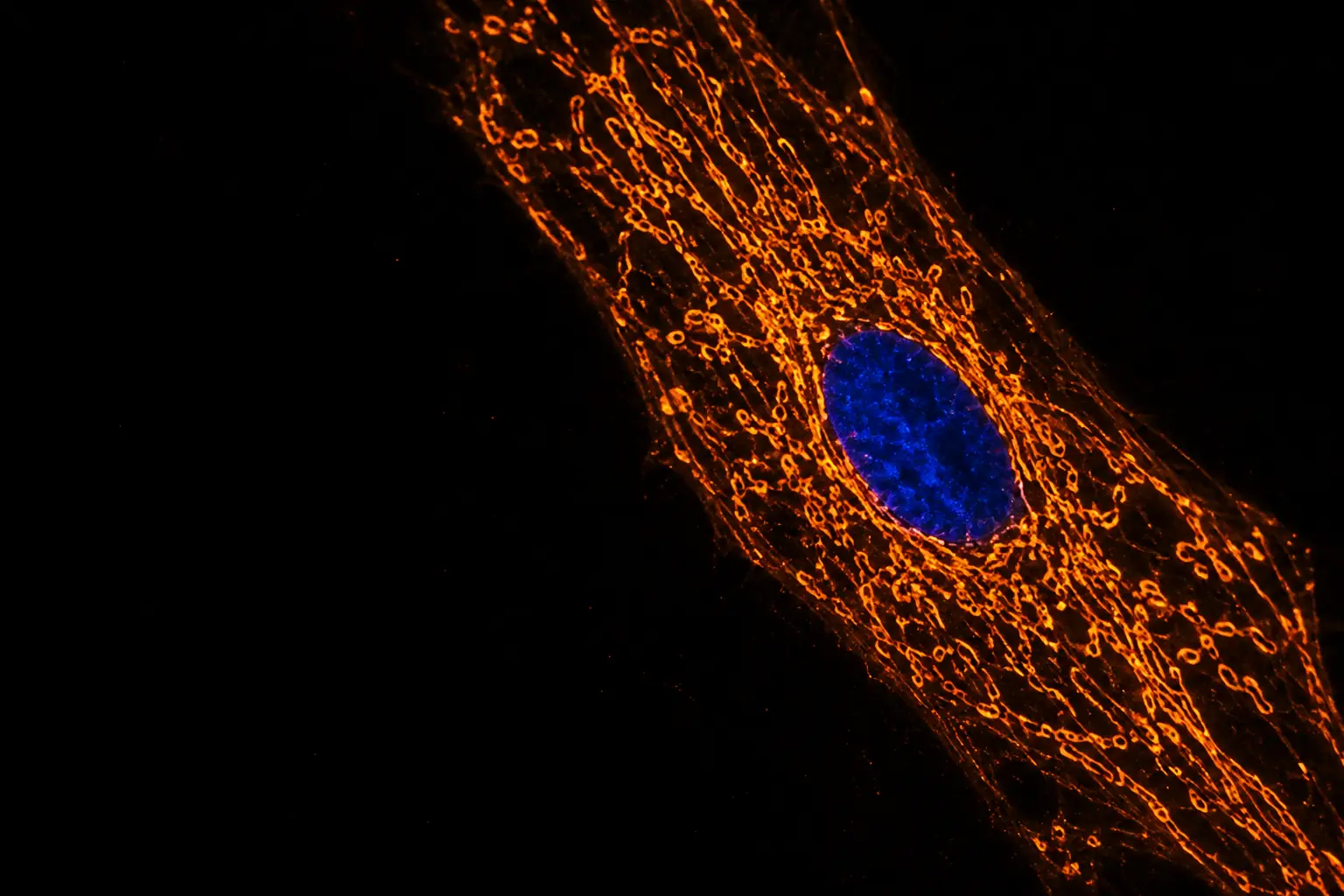
Mitochondrial biogenesis: Emerging research suggests that the intermittent hyperoxia-normoxia cycles created by repeated HBOT sessions can stimulate the production of new mitochondria — effectively increasing the cellular energy infrastructure.
Anti-inflammatory effects: HBOT downregulates pro-inflammatory cytokines and modulates the immune response, reducing chronic inflammation in target tissues.
Established Medical Applications
HBOT has well-established, FDA-approved indications including decompression sickness, carbon monoxide poisoning, chronic non-healing wounds (particularly diabetic ulcers), radiation injury, and certain serious infections. For these conditions, the evidence is strong and the therapy is standard of care.
Emerging Longevity Applications
The longevity medicine community has become increasingly interested in HBOT based on several provocative studies:
A 2020 study by Hadanny and colleagues published in Aging demonstrated that a specific HBOT protocol (60 sessions of 100% oxygen at 2.0 atmospheres) increased telomere length by 20-38% and reduced senescent cell populations by 10-37% in a cohort of healthy adults over 64. These findings, while requiring replication, generated significant excitement in the longevity field.
Cognitive function studies have shown improvements in memory, attention, and processing speed following HBOT protocols, potentially mediated by enhanced neuroplasticity and cerebral blood flow.
Important Caveats
HBOT is not without limitations. Sessions are time-intensive (typically 60-90 minutes), require specialized equipment, and the emerging longevity applications are based on small studies that need larger replication. Contraindications include untreated pneumothorax and certain ear conditions.
At Genoryx, we evaluate HBOT as one component of a comprehensive longevity strategy — always grounded in evidence and tailored to individual clinical profiles. Book a consultation to discuss whether HBOT protocols align with your health goals.
Sources
Studies named in this article that we matched to the original paper. A study described without enough detail to identify it is not listed.
- 01Thom SR, Bhopale VM, Velazquez OC, et al. Stem cell mobilization by hyperbaric oxygen. American Journal of Physiology - Heart and Circulatory Physiology. 2006. doi:10.1152/ajpheart.00888.2005 (opens in a new tab)
- 02Hachmo Y, Hadanny A, Abu Hamed R, et al. Hyperbaric oxygen therapy increases telomere length and decreases immunosenescence in isolated blood cells: a prospective trial. Aging (Albany NY). 2020. doi:10.18632/aging.202188 (opens in a new tab)
This article is for education. It is not a diagnosis or a treatment plan; decisions about tests, medicines or supplements belong in a consultation with a physician who knows your history.

About the author
Dr. R. Brahmananda Reddy
MSc Dermatology, University of Hertfordshire (UK) · Founder & Chief Longevity Physician
MBBS · MSc Dermatology (University of Hertfordshire, UK) · Fellowship in Aesthetic & Regenerative Medicine (University of Greifswald, Germany). 13+ years in clinical practice.
Full profile