In this article
The Cold Truth
Cold exposure has become a cultural phenomenon. Social media is filled with influencers plunging into ice baths, and cryotherapy chambers have become fixtures of high-end wellness centers. But beneath the bravado and the breathless testimonials, what does the science actually say about deliberate cold exposure?
The answer is nuanced — which is exactly why this topic deserves careful examination rather than blanket enthusiasm or dismissal.
The Physiological Response
When your body is exposed to cold, it triggers a cascade of well-characterized physiological responses:
Norepinephrine release: Cold exposure stimulates a significant release of norepinephrine — a neurotransmitter and hormone that enhances alertness, focus, and mood. Studies have documented 200-300% increases in plasma norepinephrine following cold water immersion at 14 degrees Celsius. This single mechanism likely explains much of the mood and energy benefits people report.
Brown adipose tissue activation: Cold triggers metabolically active brown fat to burn calories and generate heat. A 2014 study in Diabetes showed that regular cold exposure increased brown fat volume and improved insulin sensitivity.
Anti-inflammatory effects: Cold immersion reduces circulating levels of pro-inflammatory cytokines and can reduce muscle soreness after exercise. This is why athletes have used ice baths for decades.
Hormetic stress response: Brief, controlled cold exposure activates cellular defense mechanisms including heat shock proteins (paradoxically) and antioxidant enzymes — a beneficial stress response known as hormesis.
What the Evidence Supports
Post-exercise recovery: A 2022 meta-analysis in Sports Medicine confirmed that cold water immersion (10-15 degrees Celsius for 10-15 minutes) effectively reduces delayed-onset muscle soreness and perceived fatigue after intense exercise.
Mental health and mood: The norepinephrine response produces reliable improvements in alertness and mood. A 2023 survey study in PLoS One found that regular cold water swimmers reported significant improvements in mental well-being.
Metabolic benefits: Regular cold exposure may improve insulin sensitivity and glucose metabolism through brown fat activation, though long-term studies in humans are still limited.
Where Caution Is Warranted
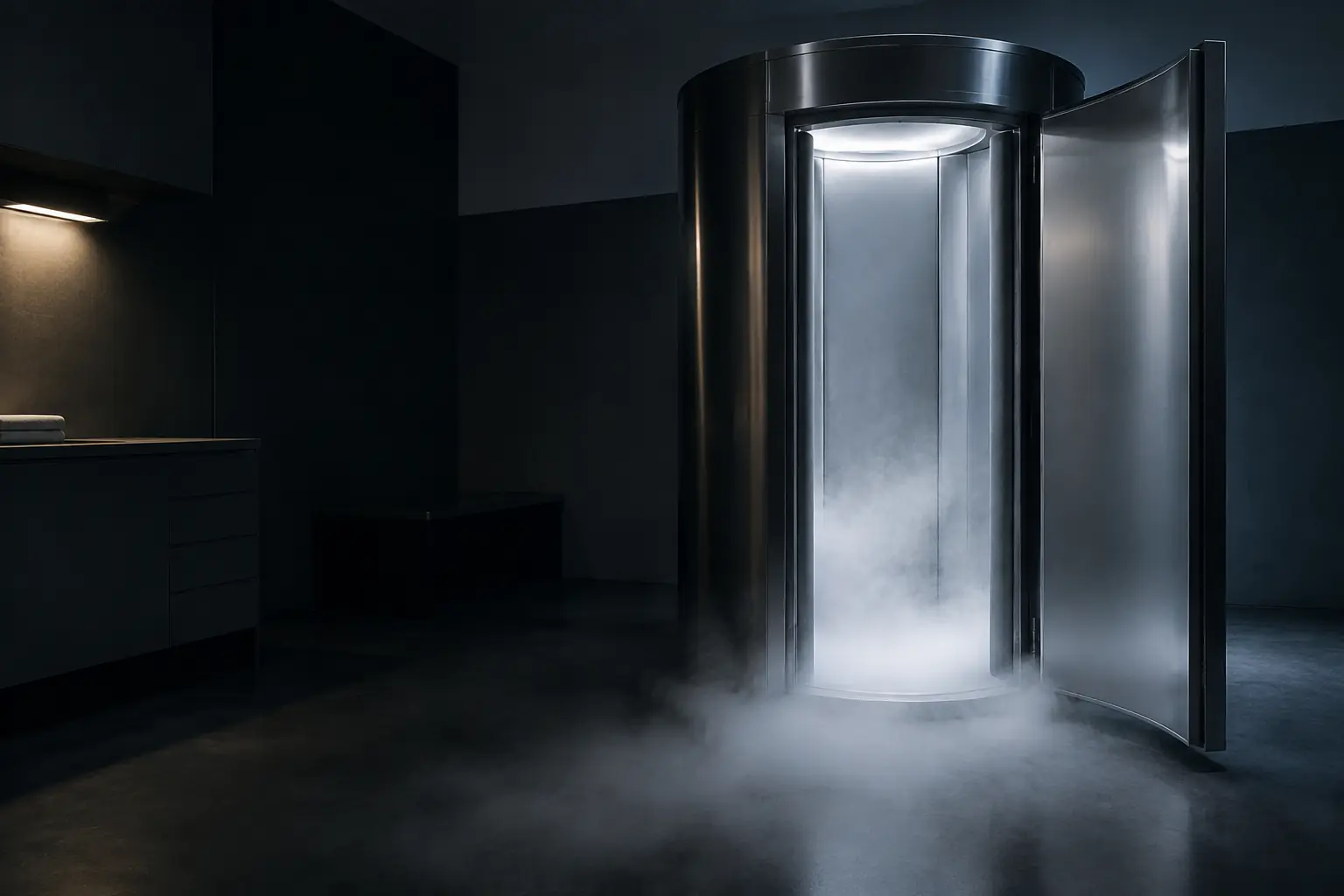
Whole-body cryotherapy chambers (exposing the body to temperatures as low as minus 110 degrees Celsius for 2-3 minutes) have thinner evidence than cold water immersion. A 2017 Cochrane review found insufficient evidence to recommend WBC for muscle soreness prevention.
Additionally, if your goal is muscle growth rather than recovery, cold exposure immediately after resistance training may blunt the adaptive response. A 2015 study in the Journal of Physiology found that post-exercise cold water immersion reduced muscle protein synthesis and satellite cell activity.
A Practical Framework
At Genoryx, we view cold exposure as a legitimate hormetic stressor with documented benefits — but one that must be applied intelligently. Timing, duration, temperature, and individual goals all matter. Book a consultation to discuss how cold exposure might fit into your personalized longevity and performance protocol.
Sources
Studies named in this article that we matched to the original paper. A study described without enough detail to identify it is not listed.
- 01Lee P, Smith S, Linderman J, et al. Temperature-acclimated brown adipose tissue modulates insulin sensitivity in humans. Diabetes. 2014. doi:10.2337/db14-0513 (opens in a new tab)
- 02Moore E, Fuller JT, Buckley JD, et al. Impact of Cold-Water Immersion Compared with Passive Recovery Following a Single Bout of Strenuous Exercise on Athletic Performance in Physically Active Participants: A Systematic Review with Meta-analysis and Meta-regression. Sports Medicine. 2022. doi:10.1007/s40279-022-01644-9 (opens in a new tab)
- 03Roberts LA, Raastad T, Markworth JF, et al. Post-exercise cold water immersion attenuates acute anabolic signalling and long-term adaptations in muscle to strength training. Journal of Physiology. 2015. doi:10.1113/JP270570 (opens in a new tab)
This article is for education. It is not a diagnosis or a treatment plan; decisions about tests, medicines or supplements belong in a consultation with a physician who knows your history.

About the author
Dr. R. Brahmananda Reddy
MSc Dermatology, University of Hertfordshire (UK) · Founder & Chief Longevity Physician
MBBS · MSc Dermatology (University of Hertfordshire, UK) · Fellowship in Aesthetic & Regenerative Medicine (University of Greifswald, Germany). 13+ years in clinical practice.
Full profile