Skip to content
Two clinics in Hyderabad.Two clinics in Hyderabad: Banjara Hills and Manikonda.Visit us

Photobiomodulation

Red Light Therapy Course (10 Sessions)

Ten red and near-infrared light sessions over several weeks, because the effects measured in trials come from repeated sessions.

Duration
15-20 minutes per session
Sessions
10 sessions (3-5 per week recommended)
Downtime
None
Red-light therapy bed with LED panels lit above and below the mattress

Red Light Therapy: options

Overview

Photobiomodulation is the use of specific wavelengths of red and near-infrared light to influence how cells work. It has a large research literature of uneven quality. The proposed mechanism is that light between 630 and 850 nanometres is absorbed by cytochrome c oxidase (Complex IV) in the mitochondrial electron transport chain, which may increase ATP production and release nitric oxide, a vasodilator.

Effects reported in clinical trials come from repeated sessions rather than single ones. Much of the evidence that light increases mitochondrial density and energy production comes from animal and cell studies, so it should not be read as proven in people.

The human evidence is strongest for skin. In one controlled trial, 30 twice-weekly sessions improved skin roughness and ultrasound-measured collagen density compared with untreated controls (Wunsch A, Matuschka K, Photomedicine and Laser Surgery, 2014). A 10-session pack is a third of that course. Evidence for muscle soreness, exercise recovery and joint pain is mixed, and evidence for wound healing and brain function from full-body panels is limited or early.

Our 10-session package uses medical-grade LED panels at 630nm red and 850nm near-infrared, with doses within the ranges used in published studies. Each session is 15 to 20 minutes, painless, and needs no preparation or recovery time. Sessions are usually spaced 3 to 5 times per week.

This package suits patients who want to try photobiomodulation over a defined course and judge their own response. Book a consultation with our longevity physician to see whether red light therapy fits your recovery or skin goals.

What the evidence says

Evidence · Emerging

Plausible biology and early human data. We tell you what is and is not known. How we grade evidence

What it shows

A controlled trial found better skin texture and collagen density after 30 sessions, and trials in athletes show modest effects on muscle performance.

What it does not show

The muscle evidence is of very low to moderate quality, and claims beyond skin and recovery rest mostly on laboratory studies.

  1. 01
  2. 02

What it can and cannot do

What it can do

  • Deliver red and near-infrared light at measured doses, in a short, painless session with no downtime.
  • Follow the courses trials have used, such as the 30 sessions given in a controlled skin trial.Source [1]

What it cannot do

  • Show a reliable effect on muscle performance. That evidence is of very low to moderate quality.Source [2]
  • Support claims beyond skin and recovery, which rest mostly on laboratory studies.
  • Do much in one visit. Effects reported in trials came from repeated sessions.

Numbers in brackets point to the studies above. Medical review: a physician who did not write this page checks each line against the source it cites, and checks that nothing reads as a promised result. How we review

Who it's for

A good fit

  • Adults interested in it for skin texture, the use with the most trial data
  • Athletes who want to try it around training, knowing the effects in trials are modest
  • Recovery after injury or surgery, alongside standard care and after physician review
  • Adults who prefer a course of sessions to a single trial

Talk to us first

  • Active cancer in treatment area (photosensitive tumours)
  • Photosensitising medications (discuss with physician)
  • Pregnancy (precautionary — limited data)

Before your first session

  • Tell us about photosensitising medicines, eye conditions, pregnancy or cancer in the area to be treated.
  • Eye protection is provided and worn for the whole session.
  • Plan 3 to 5 sessions a week.
  • Time to allow: 15-20 minutes per session.

Your physician confirms at screening whether this is right for you. If anything above applies, tell us when you book.

What happens on the day

  1. 01

    Screening

    Photosensitising medicines, eye conditions and skin history are checked.

  2. 02

    The session

    Eye protection on, then a full-body session in the device: 15-20 minutes per session.

  3. 03

    Course review

    Your physician reviews progress across the course and adjusts the schedule.

Equipment and method

  • 01Medical-grade LED panels (630nm red + 850nm near-infrared)
  • 02Calibrated power density (40-60 mW/cm²)
  • 03Full-body and targeted exposure configurations
  • 04Session tracking with cumulative dose monitoring

Physician oversight

Sessions are prescribed by a physician after a contraindication check and delivered by trained clinical staff. Your physician reviews progress across the course.

Meet the clinical team

Questions people ask

Why buy a 10-pack instead of single sessions?

Effects reported in clinical trials come from repeated sessions, not single ones. A 10-pack gives you a defined course to judge your own response, at a lower per-session cost. For skin goals, trials have used longer courses, around 30 sessions, which your physician can discuss with you.

Is red light therapy the same as infrared sauna?

No. Infrared saunas use far-infrared wavelengths (3000-10000nm) primarily to generate heat and promote sweating. Red light therapy uses specific red (630nm) and near-infrared (850nm) wavelengths that are absorbed by an enzyme in mitochondria; how much this matters in human tissue is not well established. One is a heat therapy, the other is light at specific wavelengths.

Can I use red light therapy with other treatments on the same day?

Yes. Red light can be scheduled on the same day as HBOT or cryotherapy if your physician agrees. These are separate treatments with different mechanisms. There is no good evidence that combining them adds benefit, but one visit can be more convenient.

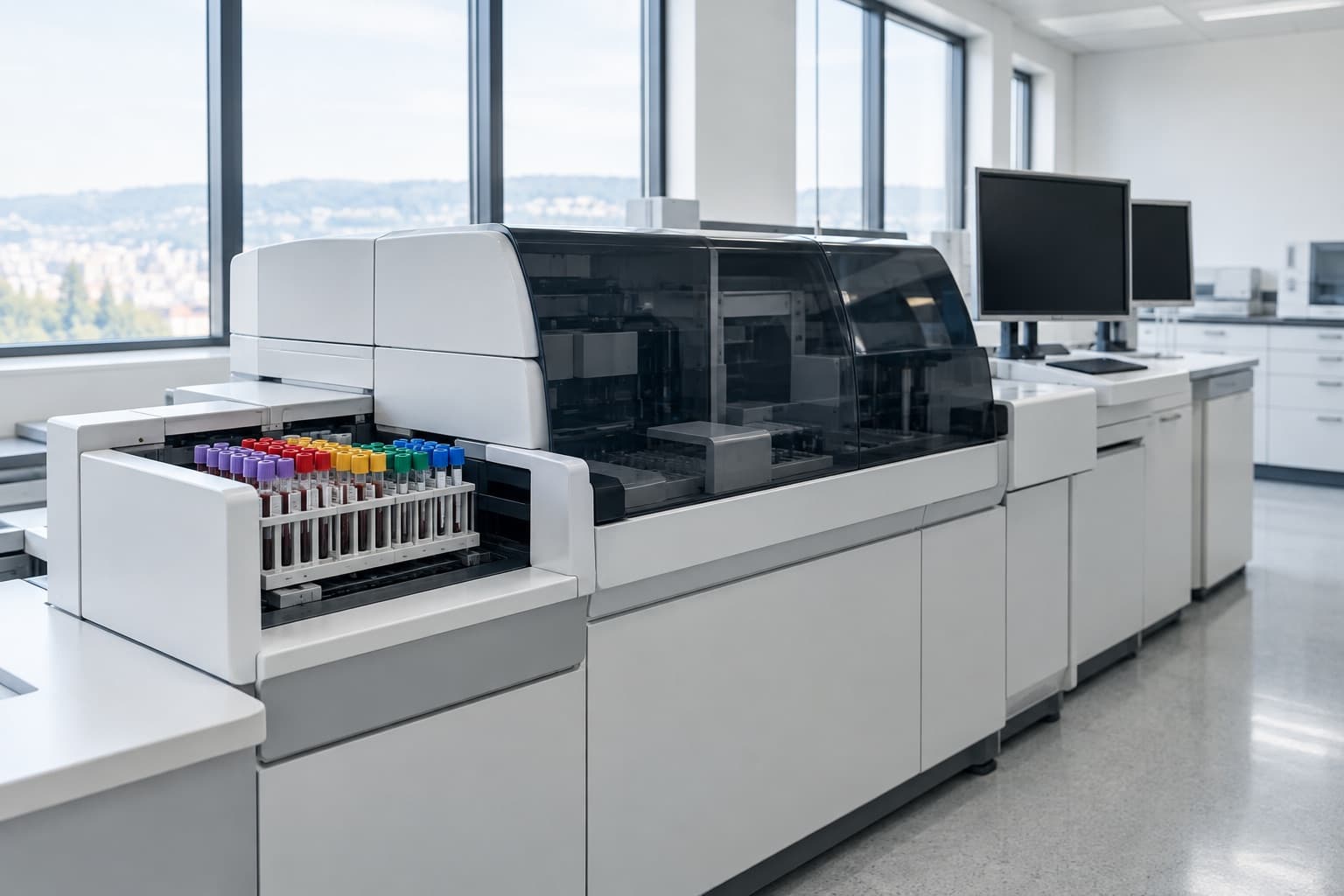
Automated blood analyser with a rack of collection tubes in a daylit laboratory

Evidence · Established

Comprehensive Biomarker Panel

The fasting blood panel in the 400+ parameter entry assessment: heart, metabolic, hormone, liver, kidney and inflammatory health, read with a physician.

30-45 minutes (blood draw) + 60-minute physician consultation

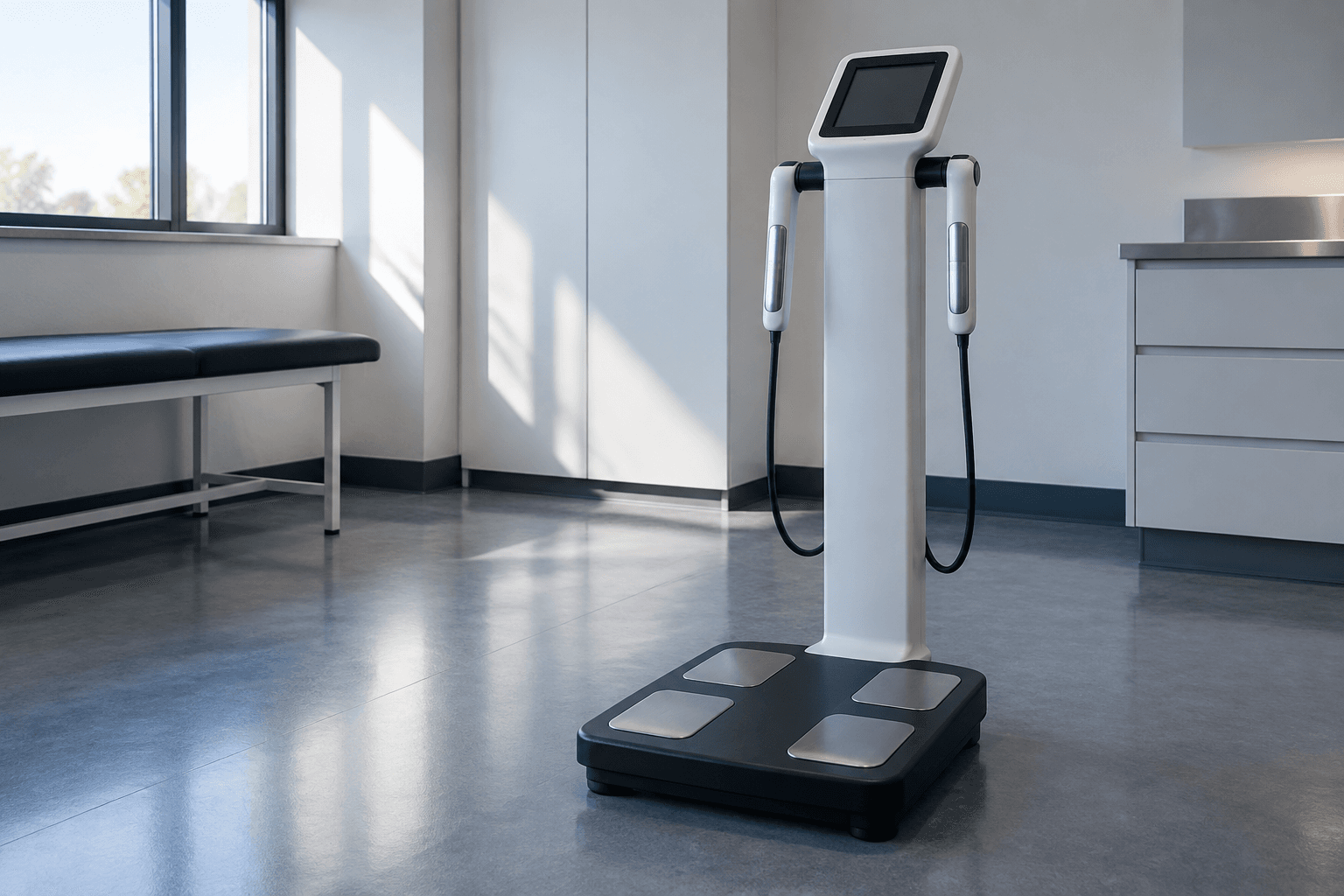
Standing bioelectrical impedance body-composition analyser in a clinic room

Evidence · Strong & indicated

InBody Body Composition Analysis

A 60-second bioelectrical impedance scan of muscle, fat, visceral fat and body water by body segment, reviewed with a physician.

60 seconds (scan) + 15-minute physician review

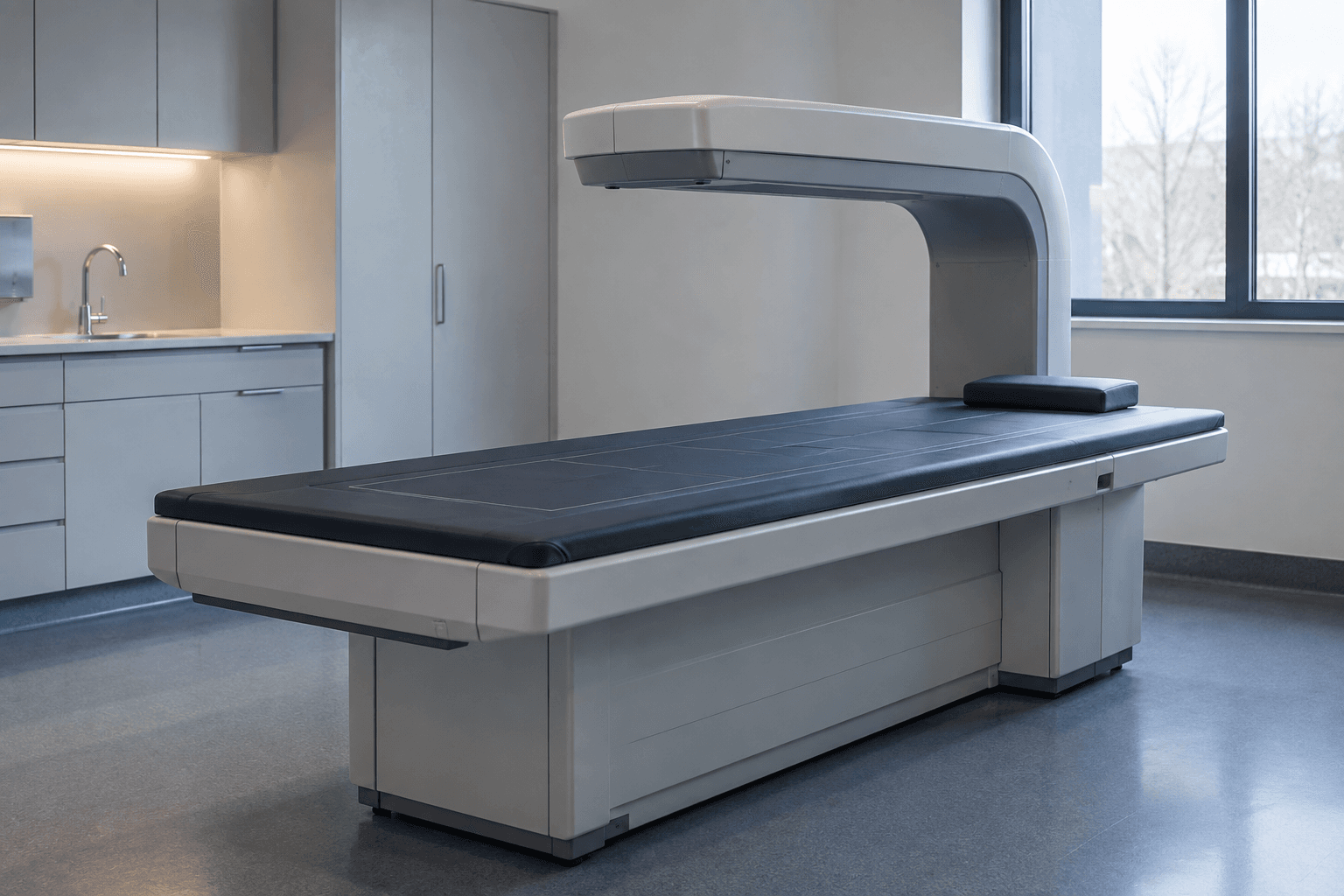
DEXA body-composition scanner with its scanning arm over the table

Evidence · Established

DEXA Body Composition Scan

Dual-energy X-ray absorptiometry, a reference method for measuring fat, lean mass, visceral fat and bone density region by region.

10-15 minutes (scan) + 30-minute physician review

Your biological age is a number you can measure.

Start with the 400+ parameter entry assessment and a 60-minute physician consultation at either Hyderabad clinic. Open seven days, 11 AM to 9 PM.

Book a consultation