In this article
Light as Medicine
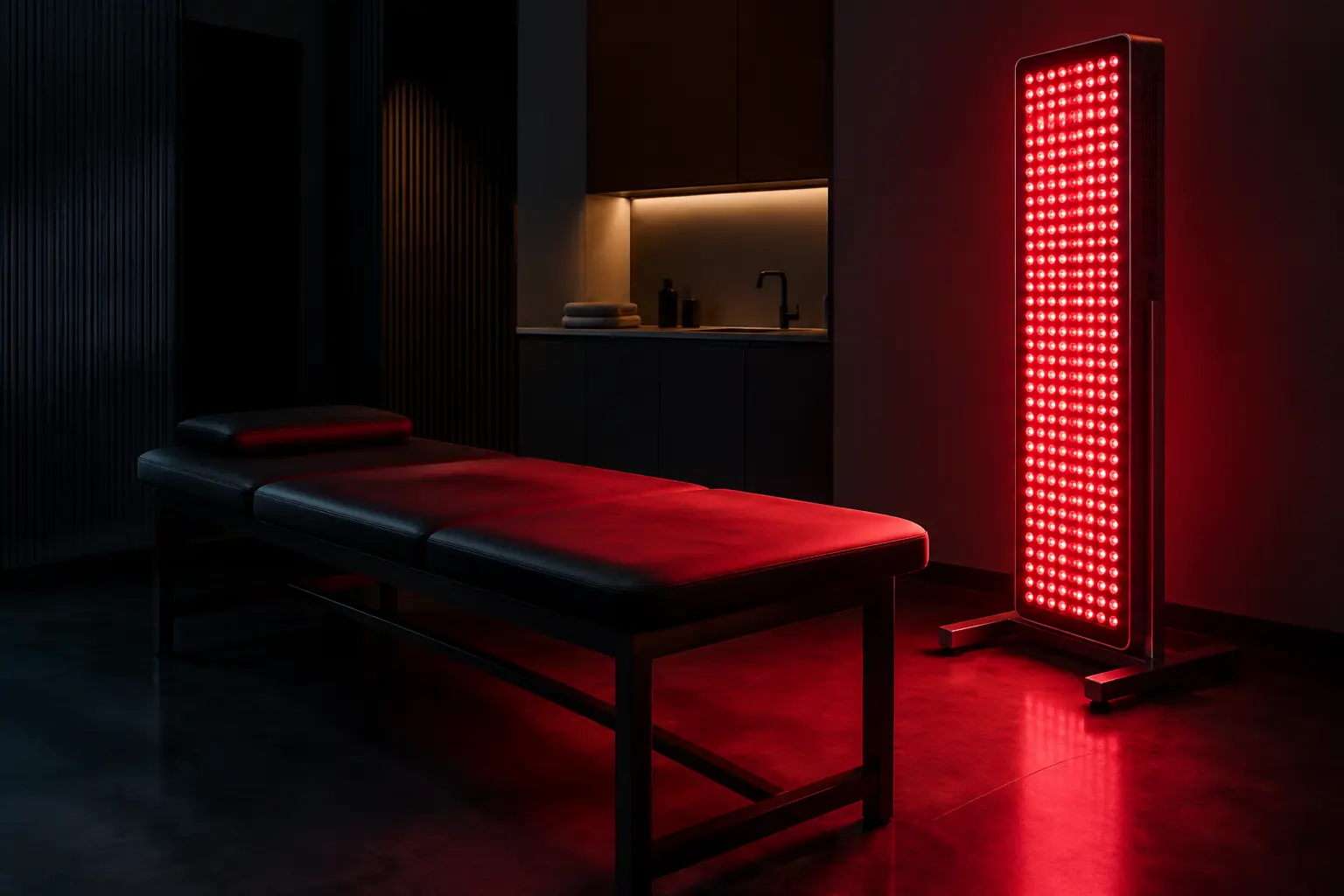
The idea that light can heal is as old as civilization itself. But modern science has refined this ancient intuition into something precise and measurable: photobiomodulation (PBM) — the use of specific wavelengths of red and near-infrared light to trigger beneficial cellular responses.
This is not the ultraviolet light that causes sunburn. We are talking about wavelengths between 630-670 nm (red) and 810-850 nm (near-infrared) — frequencies that penetrate skin, muscle, and even bone to reach your cells at a fundamental level.
The Mitochondrial Mechanism
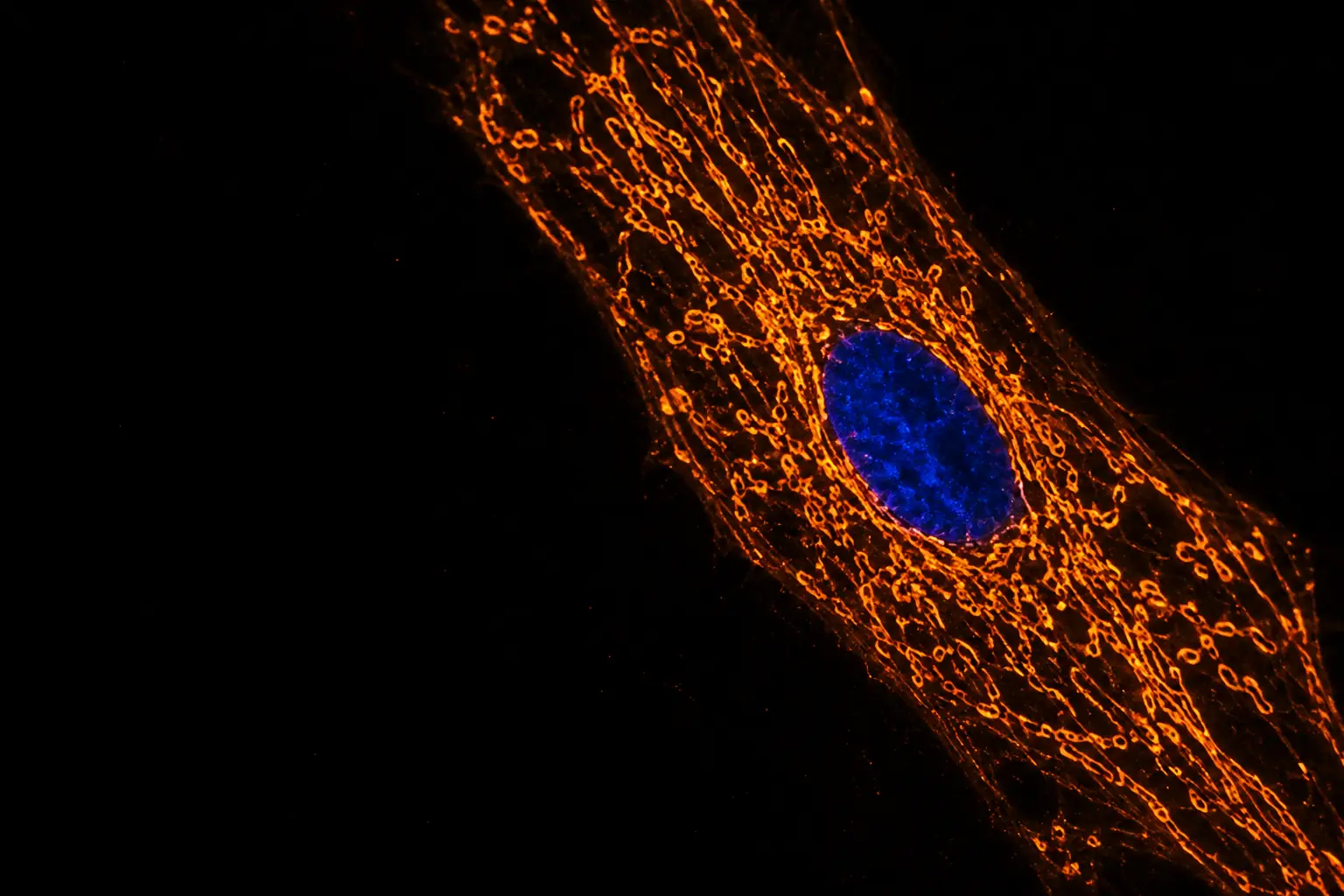
The primary target of PBM is an enzyme called cytochrome c oxidase, which sits in the electron transport chain of your mitochondria. When red or near-infrared photons hit this enzyme, they displace nitric oxide that has bound to it, effectively removing a brake on energy production.
The result? Increased ATP synthesis, reduced oxidative stress, and the activation of signaling pathways that promote cellular repair. A 2019 review in Photobiomodulation, Photomedicine, and Laser Surgery documented improvements in mitochondrial membrane potential and reductions in reactive oxygen species across multiple cell types.
What the Evidence Supports
The research landscape for PBM is broad but uneven. Here is where the evidence is strongest:
Skin health and wound healing: Multiple randomized controlled trials show accelerated wound closure, increased collagen synthesis, and reduced inflammation. A 2014 systematic review found significant improvements in skin complexion and collagen density.
Musculoskeletal pain and recovery: PBM has shown consistent benefits for delayed-onset muscle soreness, joint pain, and exercise recovery. The World Association for Photobiomodulation Therapy has published dosing guidelines for these applications.
Cognitive function: Transcranial PBM is an emerging area with promising pilot studies showing improvements in cognitive performance and potential neuroprotective effects, though large-scale trials are still underway.
Where Caution Is Warranted
Not every claim made about red light therapy holds up under scrutiny. Many consumer devices deliver insufficient irradiance — the power density may be too low to achieve therapeutic doses at target tissues. Device quality, wavelength accuracy, treatment duration, and distance from the body all matter enormously.
Additionally, much of the research has been conducted in small cohorts, and publication bias is a genuine concern in this field. We must be honest about what we know and what we are still learning.
PBM in a Longevity Context
At Genoryx, we view photobiomodulation as one tool in a larger toolkit — not a miracle cure, but a scientifically grounded modality that can complement exercise, nutrition, and medical optimization. If you are curious about how PBM might fit into your wellness strategy, book a consultation so we can discuss evidence-based applications tailored to your goals.
This article is for education. It is not a diagnosis or a treatment plan; decisions about tests, medicines or supplements belong in a consultation with a physician who knows your history.

About the author
Dr. R. Brahmananda Reddy
MSc Dermatology, University of Hertfordshire (UK) · Founder & Chief Longevity Physician
MBBS · MSc Dermatology (University of Hertfordshire, UK) · Fellowship in Aesthetic & Regenerative Medicine (University of Greifswald, Germany). 13+ years in clinical practice.
Full profile