Skip to content
Two clinics in Hyderabad.Two clinics in Hyderabad: Banjara Hills and Manikonda.Visit us

Hormone Optimization

Hormone Assessment Panel

A full hormone blood panel and a physician consultation, so symptoms are read against measured levels before any treatment is discussed.

Duration
30 minutes (blood draw) + 60-minute physician consultation
Sessions
Baseline + follow-up at 3 months; ongoing monitoring every 6-12 months
Downtime
None
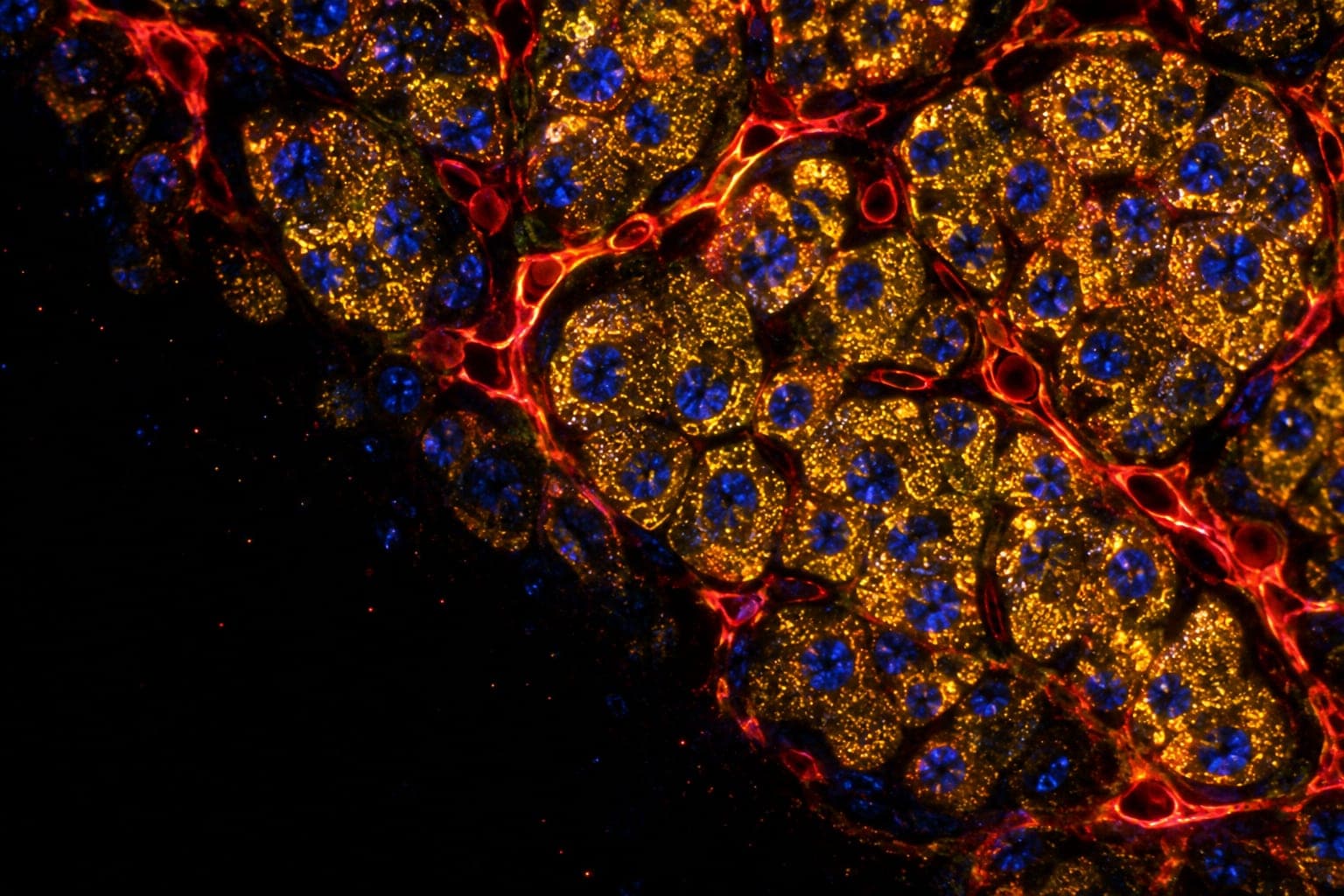
Fluorescence micrograph of hormone-secreting cells in the anterior pituitary gland

Overview

Hormones are the signaling molecules that orchestrate virtually every physiological process in your body — from metabolism and energy production to mood, sleep, body composition, libido, cognitive function, and immune regulation. Yet most conventional hormone testing checks only a handful of markers (typically TSH and maybe total testosterone) and declares you "normal" if you fall within the broad reference range.

The problem with this approach is twofold. First, conventional reference ranges are wide enough to include individuals with clear symptoms of hormonal dysfunction. A TSH of 4.0 mIU/L is "normal" by most lab standards, and whether a result near the top of the range matters depends on symptoms, antibodies and repeat testing, which is a physician's judgement rather than a number on its own. Second, isolated markers miss the relationships between hormones. Testosterone without SHBG tells you nothing about free (bioavailable) testosterone. TSH without free T3, free T4, and reverse T3 misses subclinical thyroid dysfunction and conversion issues.

Our Hormone Assessment Panel is comprehensive by design. It covers the complete thyroid cascade (TSH, free T3, free T4, reverse T3, thyroid antibodies — TPO and TG), sex hormones (total and free testosterone, estradiol, progesterone, SHBG, LH, FSH, prolactin, DHEA-S), adrenal markers (cortisol, DHEA-S, cortisol-to-DHEA ratio), metabolic hormones (fasting insulin, leptin, adiponectin), and growth factors (IGF-1, IGFBP-3). Results are interpreted not as isolated data points but as an integrated hormonal picture.

Hormonal decline is one of the most tangible manifestations of aging. Testosterone peaks in the mid-20s and declines 1-2% per year thereafter. Thyroid function progressively slows. DHEA — the precursor to both testosterone and estrogen — drops by 80% between ages 25 and 75. Estrogen and progesterone decline sharply during perimenopause. These changes are measurable and can be monitored. Whether any treatment is appropriate is a separate, physician-led decision.

This panel is the diagnostic foundation. What follows — whether lifestyle optimization, targeted supplementation, or physician-supervised hormone therapy — is determined by your results, symptoms, and goals. Book a consultation with our longevity physician to schedule your comprehensive hormone assessment.
What the evidence says

Evidence · Established

Backed by large studies or guidelines and part of standard practice. How we grade evidence

What it shows

A hormone deficiency is diagnosed from measured levels, repeated where guidelines require, read together with symptoms.

What it does not show

Symptoms alone are a poor guide, and a low-normal result without symptoms is not a reason to treat.

  1. 01
    Bhasin S, et al. Testosterone therapy in men with hypogonadism: an Endocrine Society clinical practice guideline. J Clin Endocrinol Metab, 2018. (opens in a new tab)

    Guideline: treat only confirmed hypogonadism, aim for mid-normal levels, and monitor haematocrit and prostate risk.

  2. 02
    The North American Menopause Society. The 2022 hormone therapy position statement. Menopause, 2022. (opens in a new tab)

    Under 60 or within ten years of menopause, benefits for hot flushes and bone generally outweigh risks; compounded bioidentical hormones raise safety concerns.

What it can and cannot do

What it can do

  • Measure thyroid, sex, adrenal and metabolic hormones together, read against your symptoms.
  • Confirm or rule out a deficiency, with tests repeated where guidelines require.Source [1]

What it cannot do

  • Justify treatment on symptoms alone, or on a low-normal result without symptoms.
  • Start a therapy by itself. Any hormone therapy also needs an endocrinologist’s sign-off.

Numbers in brackets point to the studies above. Medical review: a physician who did not write this page checks each line against the source it cites, and checks that nothing reads as a promised result. How we review

Who it's for

A good fit

  • Men and women experiencing fatigue, low libido, brain fog, or mood changes
  • Adults over 35 seeking baseline hormonal assessment
  • Women in perimenopause or menopause
  • Men with suspected low testosterone
  • Anyone with unexplained weight gain, muscle loss, or sleep disruption
  • Individuals considering hormone therapy who want testing first

Talk to us first

  • Morning blood draw preferred for accurate cortisol assessment
  • Biotin supplementation should be paused 48 hours before draw (interferes with some immunoassays)

Markers this panel covers

The core hormone markers, each read against symptoms and repeated where guidelines require.

Before your appointment

  • Book a morning draw; cortisol is read most accurately then.
  • Pause biotin supplements for 48 hours before the draw; biotin interferes with some hormone tests.
  • Bring your symptoms and current medicines to the consultation.
  • Time to allow: 30 minutes (blood draw), then 60-minute physician consultation.

Your physician confirms at screening whether this is right for you. If anything above applies, tell us when you book.

What happens on the day

  1. 01

    Consultation

    Symptoms, history, medicines and goals, followed by a blood draw for the hormone panel.

  2. 02

    Specialist review

    Results are reviewed by your physician. Any therapy also needs an endocrinologist sign-off.

  3. 03

    Your plan

    Lifestyle and reversible causes come first. Therapy is started only if it is indicated.

  4. 04

    Monitoring

    Repeat blood work on a fixed schedule: baseline + follow-up at 3 months; ongoing monitoring every 6-12 months.

Equipment and method

  • 01Chemiluminescent immunoassay (CLIA) hormone panels
  • 02Equilibrium dialysis for free testosterone (gold standard)
  • 03Complete thyroid cascade profiling
  • 04Adrenal cortisol rhythm assessment

Physician oversight

All hormone therapy protocols include a mandatory endocrinologist assessment and prescription in addition to the longevity physician's oversight. No hormonal intervention is initiated without specialist sign-off.

Meet the clinical team

Questions people ask

Which hormone tests should I get done?

A comprehensive panel should include full thyroid cascade (TSH, fT3, fT4, rT3, antibodies), sex hormones (testosterone, estradiol, SHBG, DHEA-S, LH, FSH), cortisol, fasting insulin, and IGF-1 at minimum. Our Hormone Assessment Panel covers all of these and more. Your physician will interpret the results as an integrated hormonal picture, not isolated numbers.

My previous lab work showed "normal" hormones but I still feel tired. Why?

Conventional reference ranges are extremely broad and designed to detect disease, not optimize health. You can be "normal" on paper and still have symptoms worth investigating. Your physician looks at how your results relate to each other and to your symptoms, not only at whether each number is inside the range.

Is this panel for both men and women?

Yes. The panel is comprehensive and covers the full hormonal spectrum relevant to both sexes. While specific markers are interpreted differently for men and women, the assessment is designed to provide a complete picture for any adult regardless of sex.

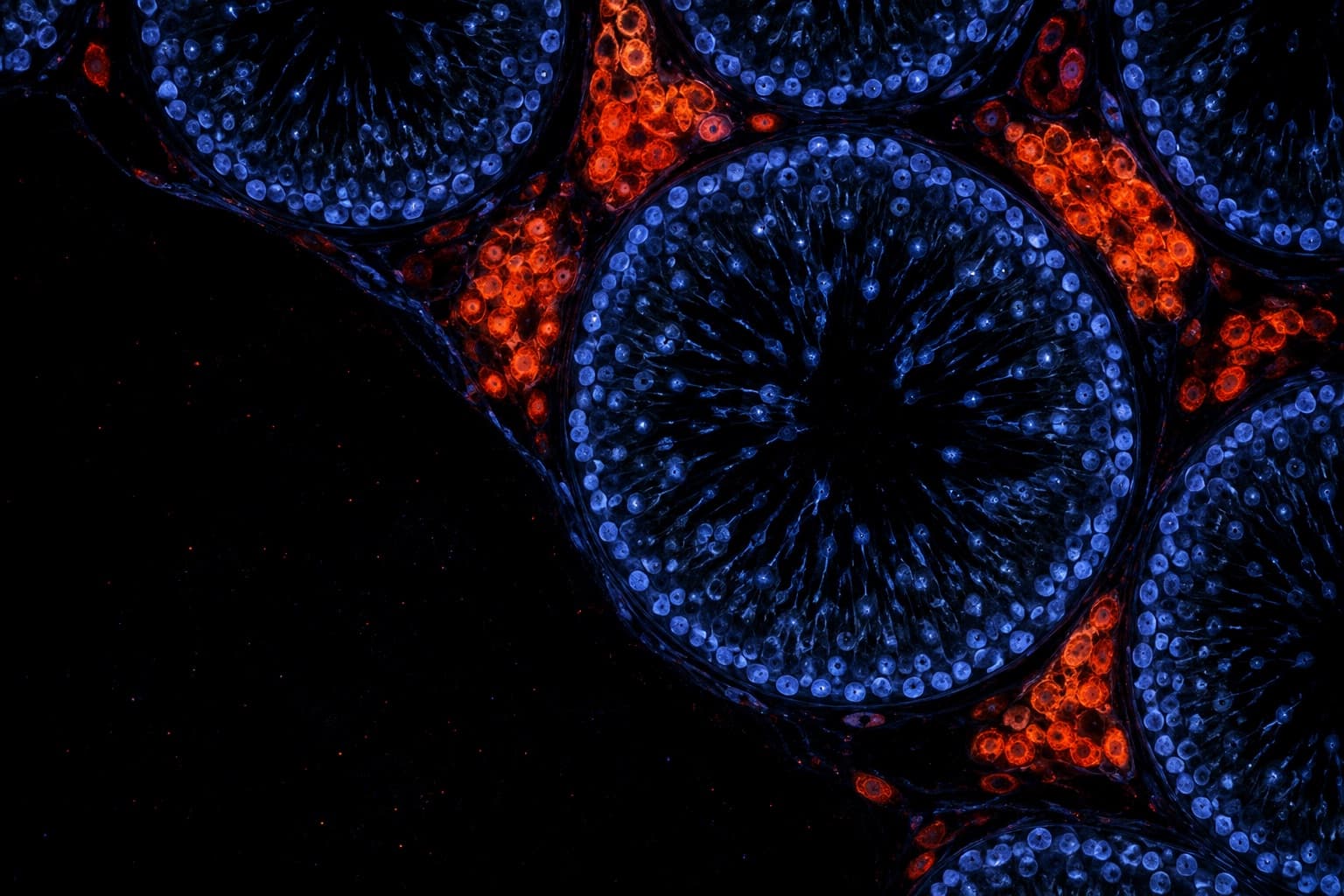
Fluorescence micrograph of testis tissue with testosterone-producing Leydig cells between the tubules

Evidence · Strong & indicated

Testosterone Replacement Therapy (TRT)

Physician-supervised testosterone therapy for hypogonadism confirmed by repeat blood tests and symptoms, with specialist sign-off and monitoring.

Initial consultation: 60 minutes; follow-ups: 30 minutes

Fluorescence micrograph of the branching osteocyte network inside bone

Evidence · Strong & indicated

Bioidentical Hormone Therapy (BHRT)

Menopause hormone therapy with regulated body-identical oestradiol and progesterone, prescribed after a full panel and monitored over time.

Initial consultation: 60 minutes; follow-ups: 30 minutes

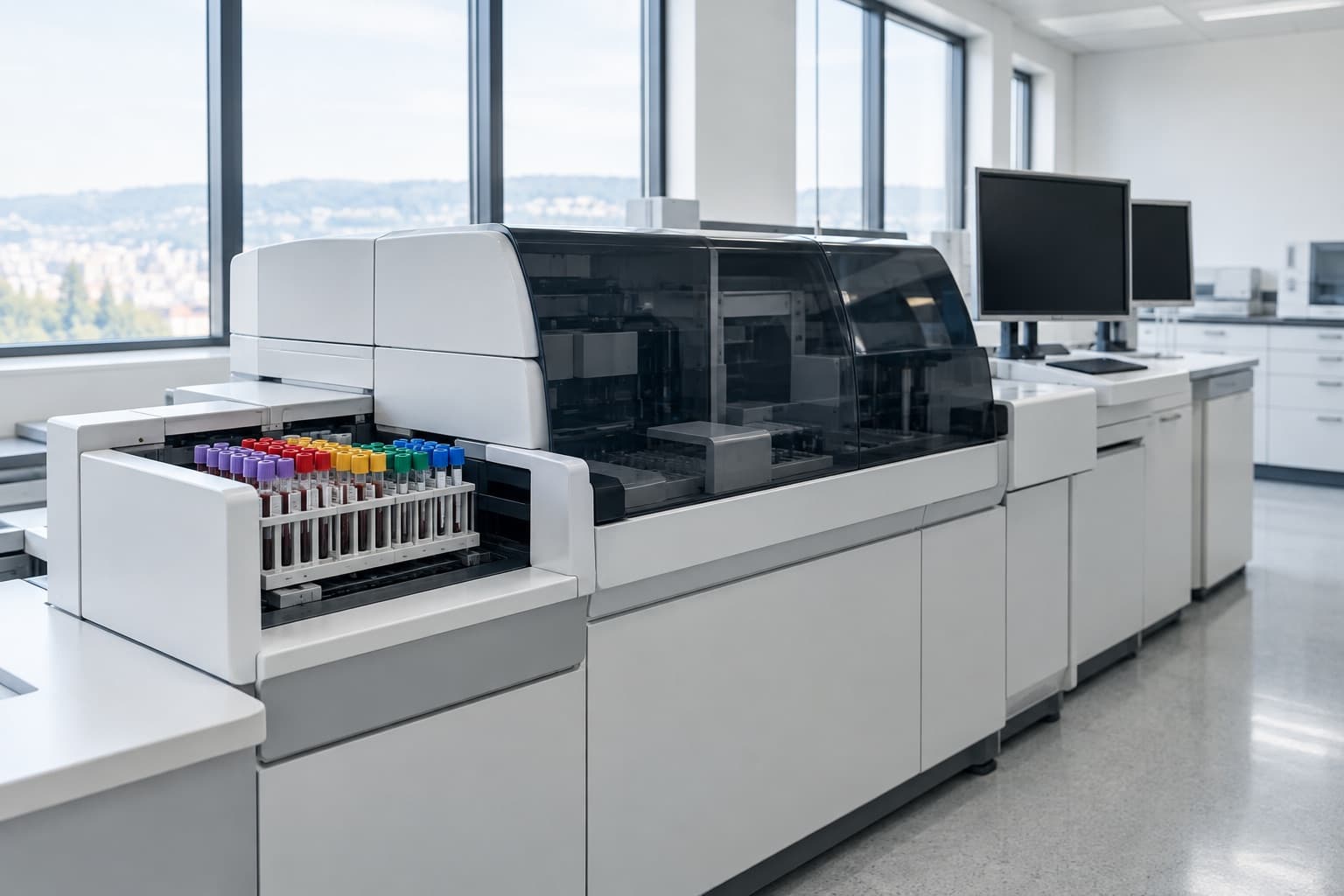
Automated blood analyser with a rack of collection tubes in a daylit laboratory

Evidence · Established

Comprehensive Biomarker Panel

The fasting blood panel in the 400+ parameter entry assessment: heart, metabolic, hormone, liver, kidney and inflammatory health, read with a physician.

30-45 minutes (blood draw) + 60-minute physician consultation

Your biological age is a number you can measure.

Start with the 400+ parameter entry assessment and a 60-minute physician consultation at either Hyderabad clinic. Open seven days, 11 AM to 9 PM.

Book a consultation