Evidence · Established
Hormone Assessment Panel
A full hormone blood panel and a physician consultation, so symptoms are read against measured levels before any treatment is discussed.
30 minutes (blood draw) + 60-minute physician consultation
Hormone Optimization
Physician-supervised testosterone therapy for hypogonadism confirmed by repeat blood tests and symptoms, with specialist sign-off and monitoring.
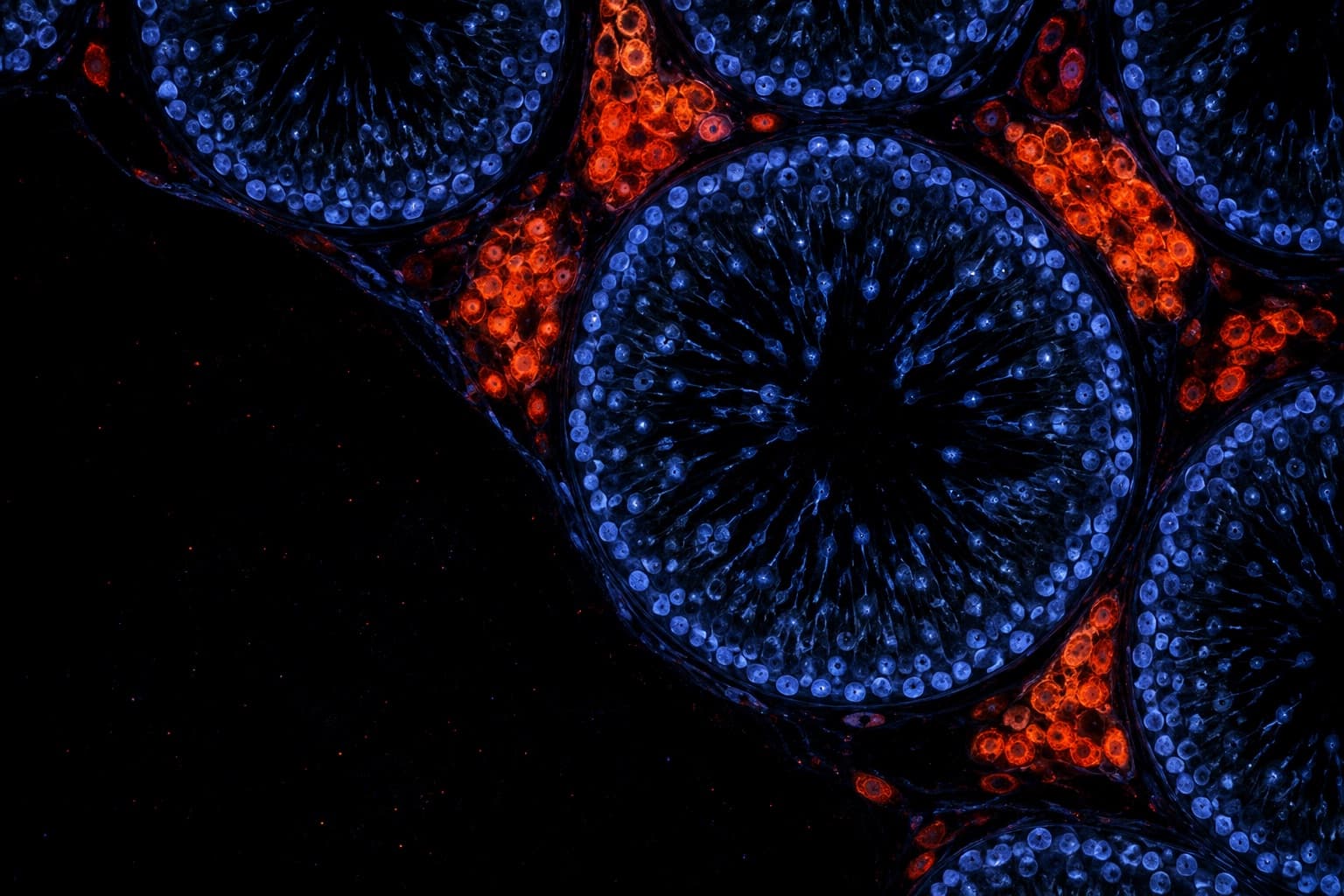
Testosterone is more than a sex hormone. It influences body composition, bone density, red blood cell production, mood and sexual function. In men, testosterone levels tend to decline by around one to two percent per year from middle age. Some men develop hypogonadism, meaning consistently low testosterone (typically below 300 ng/dL) together with symptoms, and many of them are never assessed.
Low testosterone is linked with poorer health, but the direction of cause is not always clear. A 2011 meta-analysis of observational studies (Araujo AB et al., Journal of Clinical Endocrinology and Metabolism) found that low testosterone was associated with higher all-cause and cardiovascular mortality, although the studies differed widely and the link may partly reflect poorer underlying health. Low testosterone is also associated with increased visceral fat (which can lower testosterone further through conversion to oestrogen), insulin resistance, reduced muscle mass, lower bone density and depressive symptoms. These problems are worth taking seriously, and worth diagnosing properly.
Our TRT Protocol begins with diagnosis, not prescription. We require a comprehensive hormone panel (total testosterone, free testosterone, SHBG, LH, FSH, oestradiol, prolactin, DHEA-S, thyroid cascade, PSA, and complete blood count) drawn in the early morning when testosterone levels peak. If results confirm hypogonadism and clinical symptoms align, our physician discusses treatment options, expected benefits, potential risks, and monitoring requirements before initiating therapy.
Treatment is individually titrated. We use testosterone cypionate or enanthate administered via intramuscular or subcutaneous injection, with dose and interval set to keep levels steady and dosing adjusted based on follow-up labs at 6 weeks, 3 months, and quarterly thereafter. We monitor haematocrit (testosterone stimulates erythropoiesis, and polycythemia is the most common side effect requiring management), PSA, oestradiol, liver function, and lipid panels throughout.
This is a medical treatment for a diagnosed condition, not a performance enhancement service. We do not prescribe testosterone to men with normal levels. For patients who qualify, symptoms and blood results are reviewed on a fixed schedule, and therapy is stopped if it does not help. Book a consultation with our longevity physician to have your hormone levels assessed.
Well supported when your results or diagnosis call for it, and only then. How we grade evidence
What it shows
For men with confirmed hypogonadism, testosterone therapy is guideline-supported, and a large trial found no increase in major cardiac events.
What it does not show
It is not a treatment for ageing or low-normal levels, and the same trial recorded more atrial fibrillation and pulmonary embolism on testosterone.
Guideline: treat only confirmed hypogonadism, aim for mid-normal levels, and monitor haematocrit and prostate risk.
In 5,246 men aged 45 to 80, major cardiac events were 7.0% on testosterone and 7.3% on placebo; atrial fibrillation and pulmonary embolism were more common.
Numbers in brackets point to the studies above. Medical review: a physician who did not write this page checks each line against the source it cites, and checks that nothing reads as a promised result. How we review
A good fit
Talk to us first
Therapy is considered only when repeat results and symptoms agree, and the same markers are monitored once it starts.
Your physician confirms at screening whether this is right for you. If anything above applies, tell us when you book.
Consultation
Symptoms, history, medicines and goals, followed by a blood draw for the hormone panel.
Specialist review
Results are reviewed by your physician. Any therapy also needs an endocrinologist sign-off.
Your plan
Lifestyle and reversible causes come first. Therapy is started only if it is indicated.
Monitoring
Repeat blood work on a fixed schedule: ongoing — monthly physician review with quarterly labs.
All hormone therapy protocols include a mandatory endocrinologist assessment and prescription in addition to the longevity physician's oversight. No hormonal intervention is initiated without specialist sign-off.
Meet the clinical teamWhen prescribed for diagnosed hypogonadism and monitored properly, TRT has a well-established safety profile. The key risks — polycythemia, potential prostate concerns, and fertility suppression — are managed through regular blood work and clinical oversight. The TRAVERSE trial (Lincoff AM et al., New England Journal of Medicine, 2023), in 5,246 men aged 45 to 80 with hypogonadism and existing or high cardiovascular risk, found testosterone gel was non-inferior to placebo for major cardiovascular events; atrial fibrillation, acute kidney injury and pulmonary embolism were more common with testosterone. Use without monitoring carries more risk.
Yes. Exogenous testosterone suppresses the HPG axis, reducing LH and FSH, which in turn reduces sperm production — sometimes to zero. If fertility is a current or future goal, discuss this with your physician before starting. Options include HCG co-administration to maintain testicular function, or deferring TRT until family planning is complete.
Following Endocrine Society guidance, symptoms, testosterone level, haematocrit and PSA are reviewed at 3 to 6 months and then at least yearly. If symptoms have not improved, therapy is stopped. We do not promise a timeline or a result.
Evidence · Established
A full hormone blood panel and a physician consultation, so symptoms are read against measured levels before any treatment is discussed.
30 minutes (blood draw) + 60-minute physician consultation

Evidence · Strong & indicated
Menopause hormone therapy with regulated body-identical oestradiol and progesterone, prescribed after a full panel and monitored over time.
Initial consultation: 60 minutes; follow-ups: 30 minutes
Evidence · Established
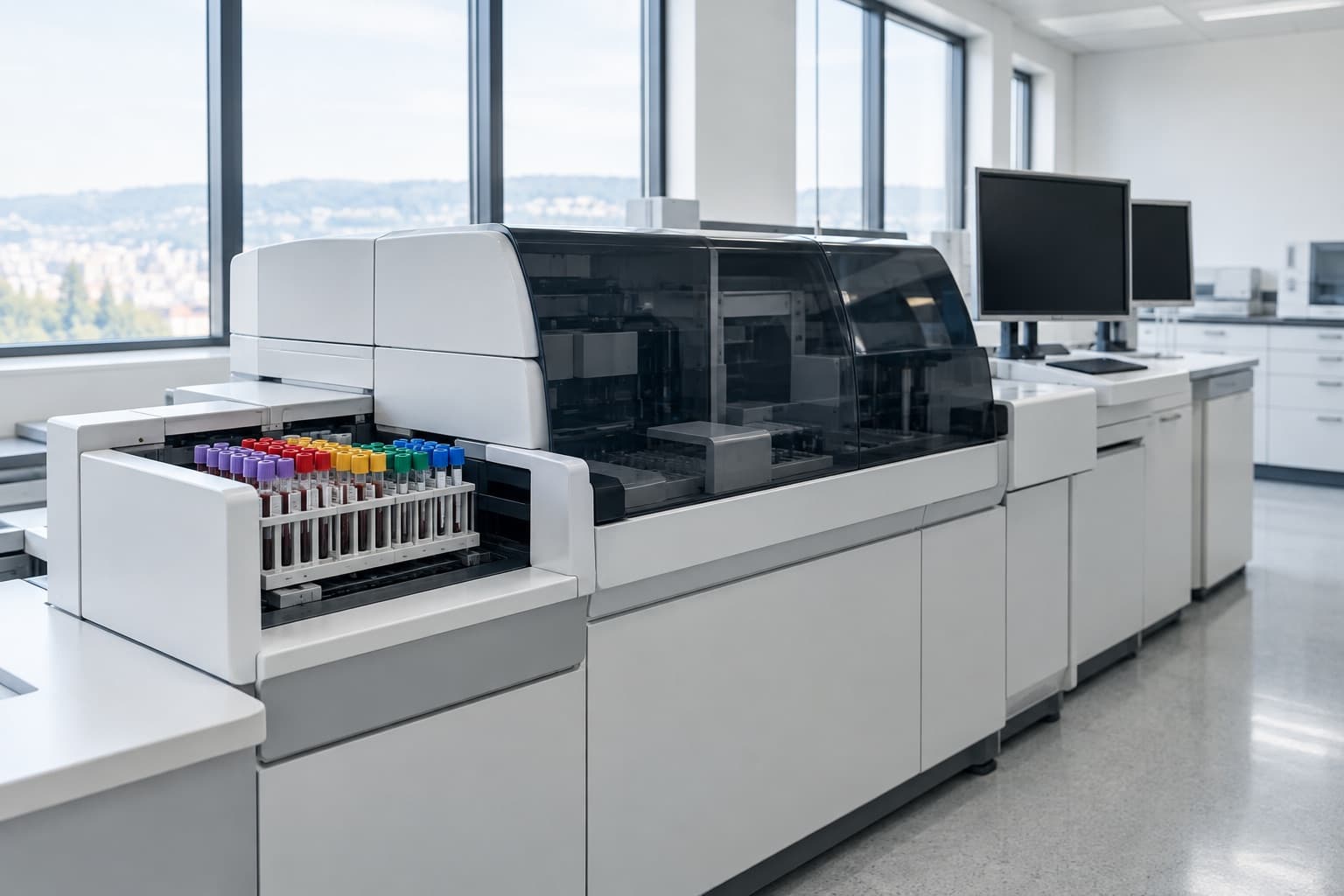
The fasting blood panel in the 400+ parameter entry assessment: heart, metabolic, hormone, liver, kidney and inflammatory health, read with a physician.
30-45 minutes (blood draw) + 60-minute physician consultation
Start with the 400+ parameter entry assessment and a 60-minute physician consultation at either Hyderabad clinic. Open seven days, 11 AM to 9 PM.
Book a consultation