Skip to content
Two clinics in Hyderabad.Two clinics in Hyderabad: Banjara Hills and Manikonda.Visit us

Gut Health & Microbiome

Gut Reset Protocol

A three-month, physician-led plan of diet, targeted supplementation and retesting, built from your own microbiome results.

Duration
3 months (initial consult 60 min, monthly check-ins 30 min)
Sessions
Structured 3-month programme with 2 microbiome tests
Downtime
None — dietary changes integrated into daily life
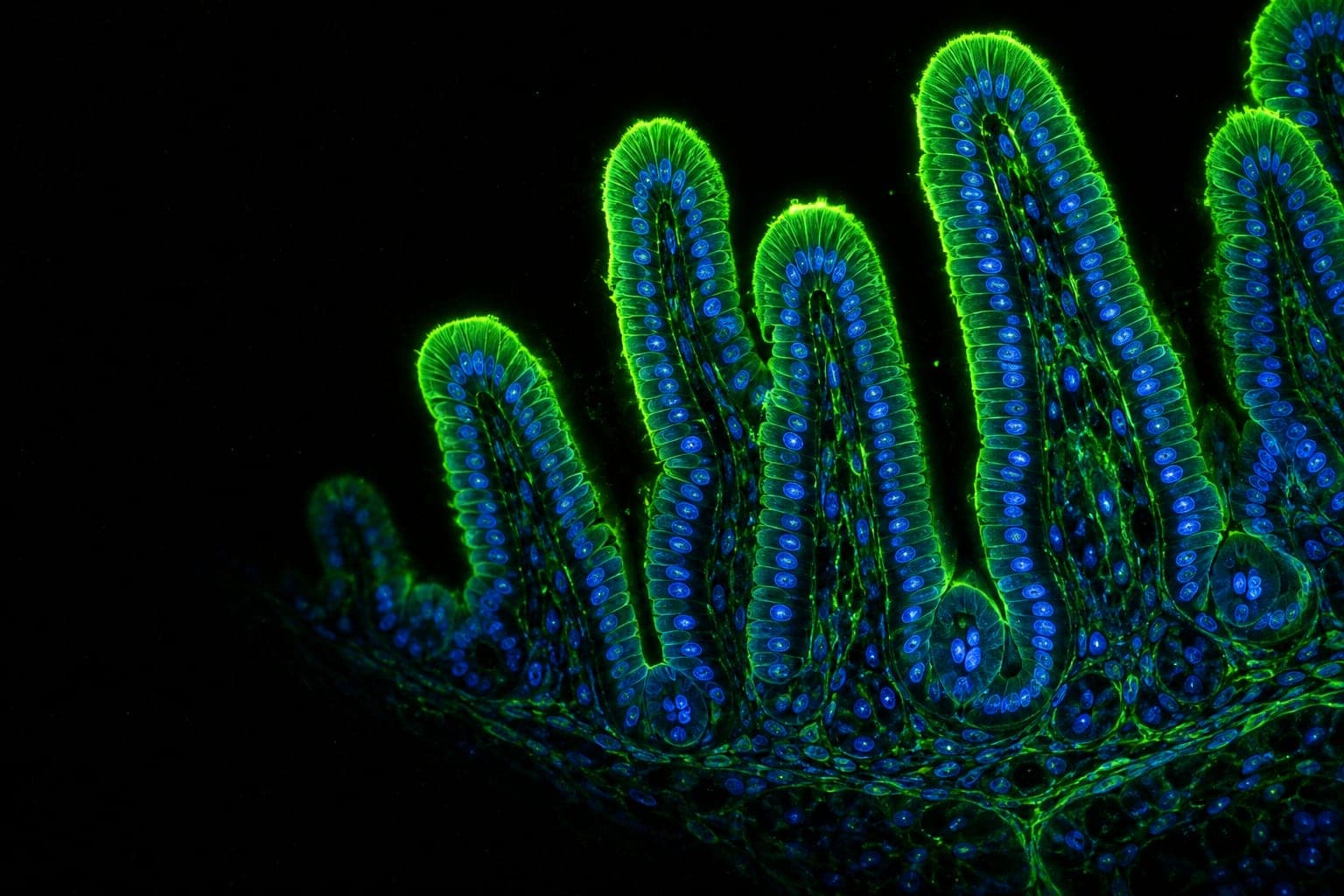
Fluorescence micrograph of small-intestine villi lined with epithelial cells

Overview

Your gut microbiome, the trillions of microorganisms living in your gastrointestinal tract, does much more than help with digestion. Most of the body's serotonin is made in the gut, a large share of the body's immune tissue lines the gut wall, and gut bacteria make some vitamins, metabolise some drugs and communicate with the brain through the vagus nerve. Research has linked differences in the microbiome with obesity, type 2 diabetes, cardiovascular disease, autoimmune conditions and other chronic diseases. Most of that research shows association, and whether changing the microbiome changes disease risk is still being worked out.

Many features of modern life can reduce microbial diversity: low-fibre, highly processed diets, antibiotics (a single course can disrupt the microbiome for weeks to months), chronic stress and disrupted sleep. Lower diversity has been reported in industrialised populations compared with traditional ones, and it is associated with several chronic diseases.

Our Gut Reset Protocol is a structured three-month intervention designed to assess, address, and rebuild gut health. Month one begins with comprehensive stool-based microbiome testing (16S rRNA sequencing and/or shotgun metagenomics) to map your current microbial landscape — identifying pathogenic overgrowth, beneficial species deficiency, short-chain fatty acid production capacity, intestinal permeability markers, and digestive enzyme sufficiency. Your physician reviews results and designs a targeted intervention plan.

Months one through three implement the protocol: antimicrobial or biofilm-disrupting agents where indicated (for pathogen overgrowth or SIBO), strategic prebiotic fibre introduction (to feed beneficial species), targeted probiotic strains (matched to your deficiency profile, not generic off-the-shelf probiotics), dietary restructuring (emphasising microbial diversity through plant variety, fermented foods, and elimination of identified triggers), and lifestyle modifications (sleep, stress, and movement patterns that support gut health).

Month three concludes with retesting to objectively measure changes in microbial composition and diversity. This is a physician-supervised programme with scheduled check-ins, not a DIY supplement stack. Book a consultation with our longevity physician to begin your gut health assessment.

What the evidence says

Evidence · Emerging

Plausible biology and early human data. We tell you what is and is not known. How we grade evidence

What it shows

The gut microbiome is linked to metabolism, inflammation and several chronic diseases, and diet changes it.

What it does not show

Most links are associations. A stool report does not diagnose disease, and it cannot yet predict which change will work for you, which is why we retest.

  1. 01
    Gilbert JA, et al. Current understanding of the human microbiome. Nat Med, 2018. (opens in a new tab)

    Review: the microbiome is linked to obesity, inflammatory bowel disease and other conditions; most links are not yet shown to be causal.

  2. 02
    Fan Y, Pedersen O. Gut microbiota in human metabolic health and disease. Nat Rev Microbiol, 2021. (opens in a new tab)

    Review of how gut bacteria relate to obesity, type 2 diabetes and cardiometabolic risk.

What it can and cannot do

What it can do

  • Turn your results into a staged three-month plan of diet, targeted supplements and check-ins.
  • Check whether anything changed, with a second microbiome test.

What it cannot do

  • Show that a particular change causes better health. Most microbiome links are associations.Source [1]
  • Replace conventional investigation of bleeding, an inflammatory bowel flare or other red-flag symptoms.

Numbers in brackets point to the studies above. Medical review: a physician who did not write this page checks each line against the source it cites, and checks that nothing reads as a promised result. How we review

Who it's for

A good fit

  • Chronic digestive issues (bloating, IBS, irregular bowel habits)
  • Adults rebuilding their diet after a course of antibiotics
  • Adults who want diet changes guided by a stool test and checked by a retest
  • People who understand that most microbiome links are not yet shown to be causal

Talk to us first

  • Active gastrointestinal bleeding (requires gastroenterologist evaluation)
  • Inflammatory bowel disease flare (coordinate with GI specialist)
  • Immunocompromised patients (antimicrobial protocols require extra caution)

Blood markers read alongside your report

Persistent gut symptoms are checked conventionally first. These results help separate gut problems from other causes.

Before your first session

  • Tell us about bleeding from the gut, inflammatory bowel disease or a weakened immune system.
  • Plan for three months: a 60-minute first consultation, then 30-minute monthly check-ins.
  • Time to allow: 3 months (initial consult 60 min, monthly check-ins 30 min).

Your physician confirms at screening whether this is right for you. If anything above applies, tell us when you book.

What happens on the day

  1. 01

    Consultation

    Symptoms, diet, medicines and recent antibiotics are reviewed.

  2. 02

    Sample

    A stool sample is collected at home using the kit and instructions provided.

  3. 03

    Physician review

    Your sequencing report is explained in plain language, with what it does and does not show.

  4. 04

    Plan and retest

    Diet and targeted support, then a retest to confirm the change: structured 3-month programme with 2 microbiome tests.

Equipment and method

  • 0116S rRNA and/or shotgun metagenomic stool sequencing
  • 02Intestinal permeability and digestive enzyme markers
  • 03Targeted probiotic strain matching
  • 04Prebiotic fibre and dietary restructuring protocol

Physician oversight

Every microbiome report is reviewed with you by a physician. Any intervention is staged and retested, and persistent or red-flag symptoms are investigated conventionally first.

Meet the clinical team

Questions people ask

What does the microbiome test actually measure?

Our stool-based test sequences microbial DNA to identify and quantify the species present in your gut. The report covers: microbial diversity score, beneficial species abundance (Bifidobacterium, Akkermansia, Faecalibacterium, etc.), pathogenic or inflammatory species overgrowth, short-chain fatty acid production capacity, intestinal permeability markers, and digestive enzyme sufficiency. This is not a basic stool culture — it is a comprehensive genomic map of your gut ecosystem.

Why three months? Can I see results faster?

The microbiome responds quickly to diet: in a 2014 Nature study (David LA et al.), switching to an all-plant or all-animal diet changed gut bacteria within days. Short-term shifts like these are not the same as lasting change. Lasting change needs a sustained change in diet and habits, and three months gives time to make those changes and retest.

Is this the same as taking probiotics from the pharmacy?

Not remotely. Pharmacy probiotics are generic formulations containing common strains at uncertain viability. Our protocol begins with testing to identify your specific deficiencies, then selects targeted probiotic strains matched to those gaps. We also address the ecosystem — removing pathogens, feeding beneficial species with specific prebiotic fibres, and restructuring diet. A probiotic without this context is like fertilising a garden without knowing what grows there.

Fluorescence micrograph of gut bacteria

Evidence · Emerging

Gut Microbiome Analysis

Stool-sample sequencing that shows which gut bacteria are present and in what balance, explained by a physician in plain language.

Stool sample collection (at home) + 60-minute physician results consultation (2-4 weeks after submission)

Automated blood analyser with a rack of collection tubes in a daylit laboratory

Evidence · Established

Comprehensive Biomarker Panel

The fasting blood panel in the 400+ parameter entry assessment: heart, metabolic, hormone, liver, kidney and inflammatory health, read with a physician.

30-45 minutes (blood draw) + 60-minute physician consultation

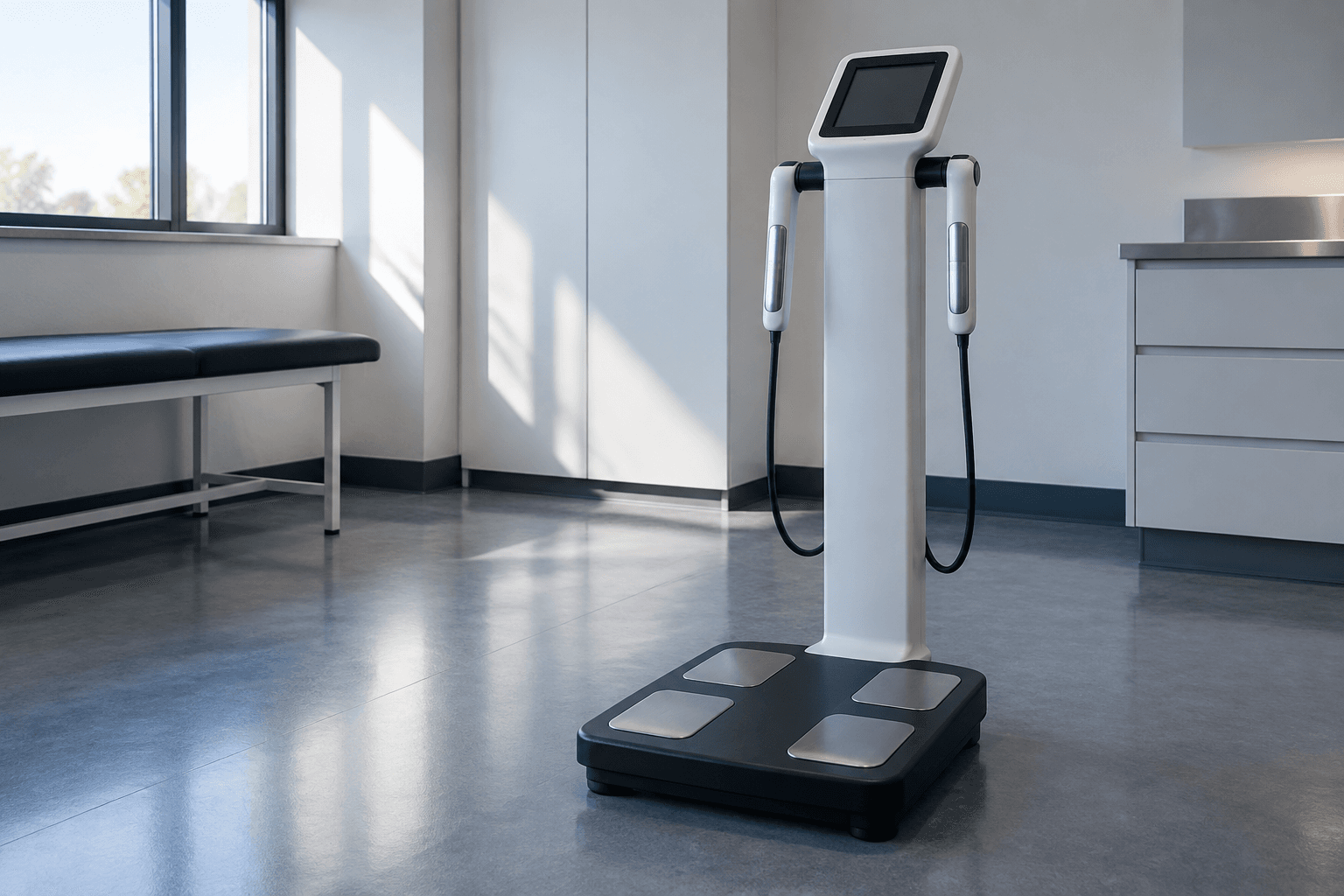
Standing bioelectrical impedance body-composition analyser in a clinic room

Evidence · Strong & indicated

InBody Body Composition Analysis

A 60-second bioelectrical impedance scan of muscle, fat, visceral fat and body water by body segment, reviewed with a physician.

60 seconds (scan) + 15-minute physician review

Your biological age is a number you can measure.

Start with the 400+ parameter entry assessment and a 60-minute physician consultation at either Hyderabad clinic. Open seven days, 11 AM to 9 PM.

Book a consultation