In this article
Inflammation: The Unifying Theory of Chronic Disease
If there is one biological process that connects virtually every age-related chronic disease, it is chronic low-grade inflammation. Heart disease, cancer, Alzheimer's, type 2 diabetes, autoimmune conditions — they all share an inflammatory component that both drives their development and accelerates their progression.
The food you eat is one of the most powerful modulators of this inflammatory state. Every meal is either stoking the fire or calming it.
What Makes a Diet Anti-Inflammatory?
An anti-inflammatory diet is not a branded program or a restrictive elimination protocol. It is a pattern of eating characterized by foods that reduce inflammatory markers like hs-CRP, IL-6, and TNF-alpha while increasing anti-inflammatory mediators. The core principles are remarkably consistent across research:
Abundant vegetables and fruits: Rich in polyphenols, flavonoids, and carotenoids that modulate inflammatory signaling pathways. A 2020 meta-analysis in Advances in Nutrition found a dose-response relationship between fruit and vegetable intake and reduction in inflammatory biomarkers.
Omega-3 fatty acids: Found in fatty fish (salmon, sardines, mackerel), walnuts, and flaxseeds. Omega-3s are precursors to specialized pro-resolving mediators (SPMs) that actively resolve inflammation. The VITAL trial demonstrated anti-inflammatory benefits at supplemental doses of 1-2 grams of EPA/DHA daily.
Extra virgin olive oil: Contains oleocanthal, which has been shown to inhibit the same inflammatory enzymes as ibuprofen. The PREDIMED trial found that a Mediterranean diet supplemented with extra virgin olive oil reduced cardiovascular events by 30%.
Fiber-rich whole grains and legumes: Feed beneficial gut bacteria that produce short-chain fatty acids — particularly butyrate — which are potent anti-inflammatory compounds.
Spices: Turmeric (curcumin), ginger, cinnamon, and other spices contain bioactive compounds with demonstrated anti-inflammatory properties in clinical trials.
What Drives Inflammation Up
Equally important is understanding what to minimize:
Ultra-processed foods: A 2019 study in BMJ found that each 10% increase in ultra-processed food consumption was associated with a 14% increase in all-cause mortality. These foods contain additives, emulsifiers, and refined ingredients that promote gut dysbiosis and systemic inflammation.
Excess refined sugar: Drives glycation, insulin resistance, and inflammatory signaling through multiple pathways.
Industrial seed oils: When consumed in excess, high omega-6 oils can promote pro-inflammatory eicosanoid production, particularly when the omega-6 to omega-3 ratio becomes severely imbalanced.
The Indian Context
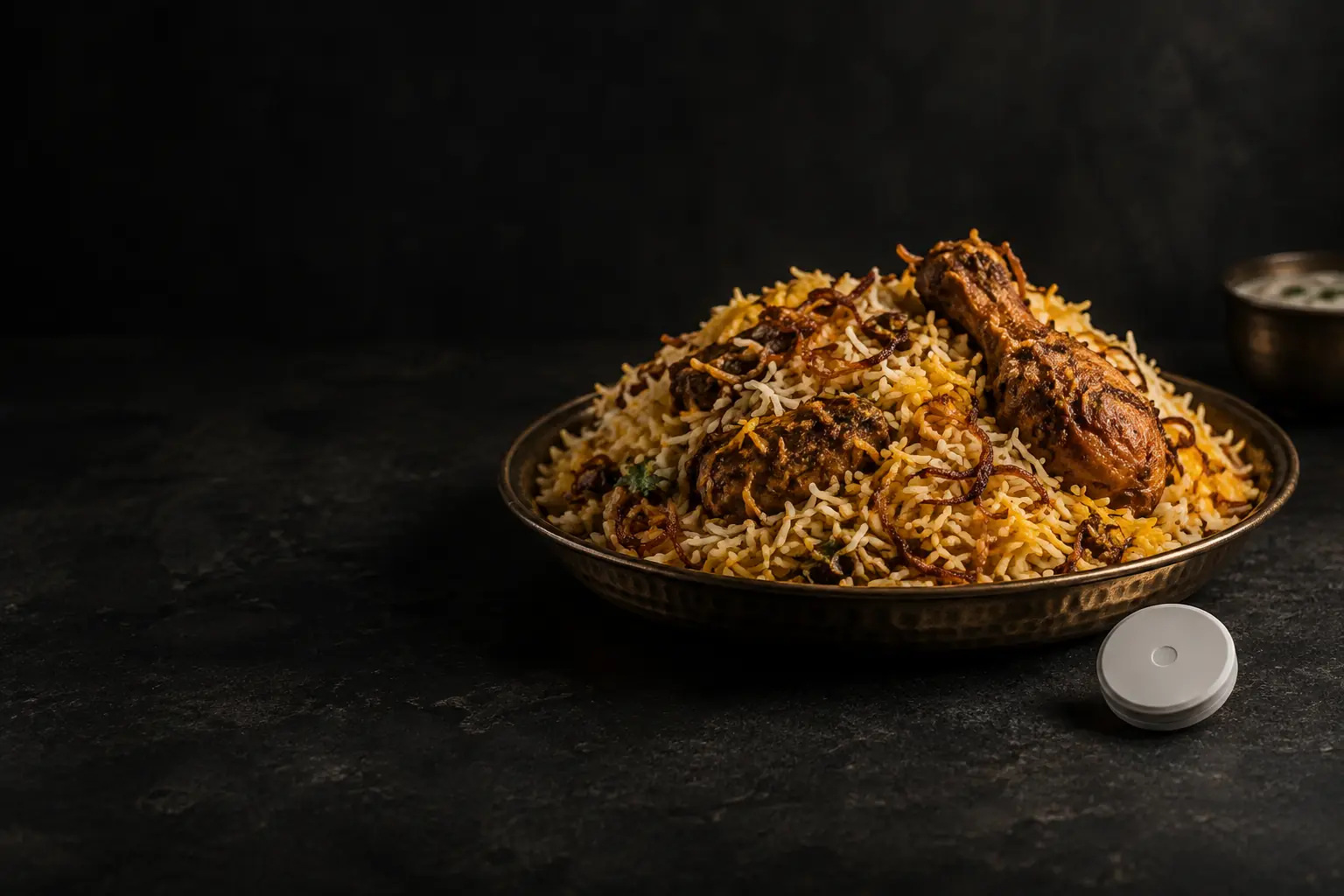
Traditional Indian cuisine, at its best, is inherently anti-inflammatory: turmeric, ginger, garlic, legumes, and a diversity of vegetables form its foundation. The challenge is modern modifications — excess refined oils, white rice replacing millets, sugar-laden sweets, and the growing penetration of ultra-processed foods.
Returning to the wisdom of traditional Indian food patterns while incorporating modern nutritional science is a powerful anti-inflammatory strategy.
At Genoryx, we design personalized anti-inflammatory nutrition plans guided by your biomarker profile. Book a consultation to build a dietary strategy grounded in your individual biology.
Go deeper
Markers in this article
Sources
Studies named in this article that we matched to the original paper. A study described without enough detail to identify it is not listed.
- 01Estruch R, Ros E, Salas-Salvadó J, et al. Primary Prevention of Cardiovascular Disease with a Mediterranean Diet Supplemented with Extra-Virgin Olive Oil or Nuts. New England Journal of Medicine. 2018. doi:10.1056/NEJMoa1800389 (opens in a new tab)
This article is for education. It is not a diagnosis or a treatment plan; decisions about tests, medicines or supplements belong in a consultation with a physician who knows your history.

About the author
Dr. R. Brahmananda Reddy
MSc Dermatology, University of Hertfordshire (UK) · Founder & Chief Longevity Physician
MBBS · MSc Dermatology (University of Hertfordshire, UK) · Fellowship in Aesthetic & Regenerative Medicine (University of Greifswald, Germany). 13+ years in clinical practice.
Full profile