Skip to content
Two clinics in Hyderabad.Two clinics in Hyderabad: Banjara Hills and Manikonda.Visit us

Diagnostics & Assessment

Continuous Glucose Monitoring (CGM)

A sensor worn for at least 14 days records glucose every few minutes, showing how meals, sleep, stress and exercise move your blood sugar.

Duration
14-day continuous monitoring + 60-minute physician analysis session
Sessions
1 program (14 days), repeatable quarterly if desired
Downtime
None — sensor is waterproof and worn during all activities
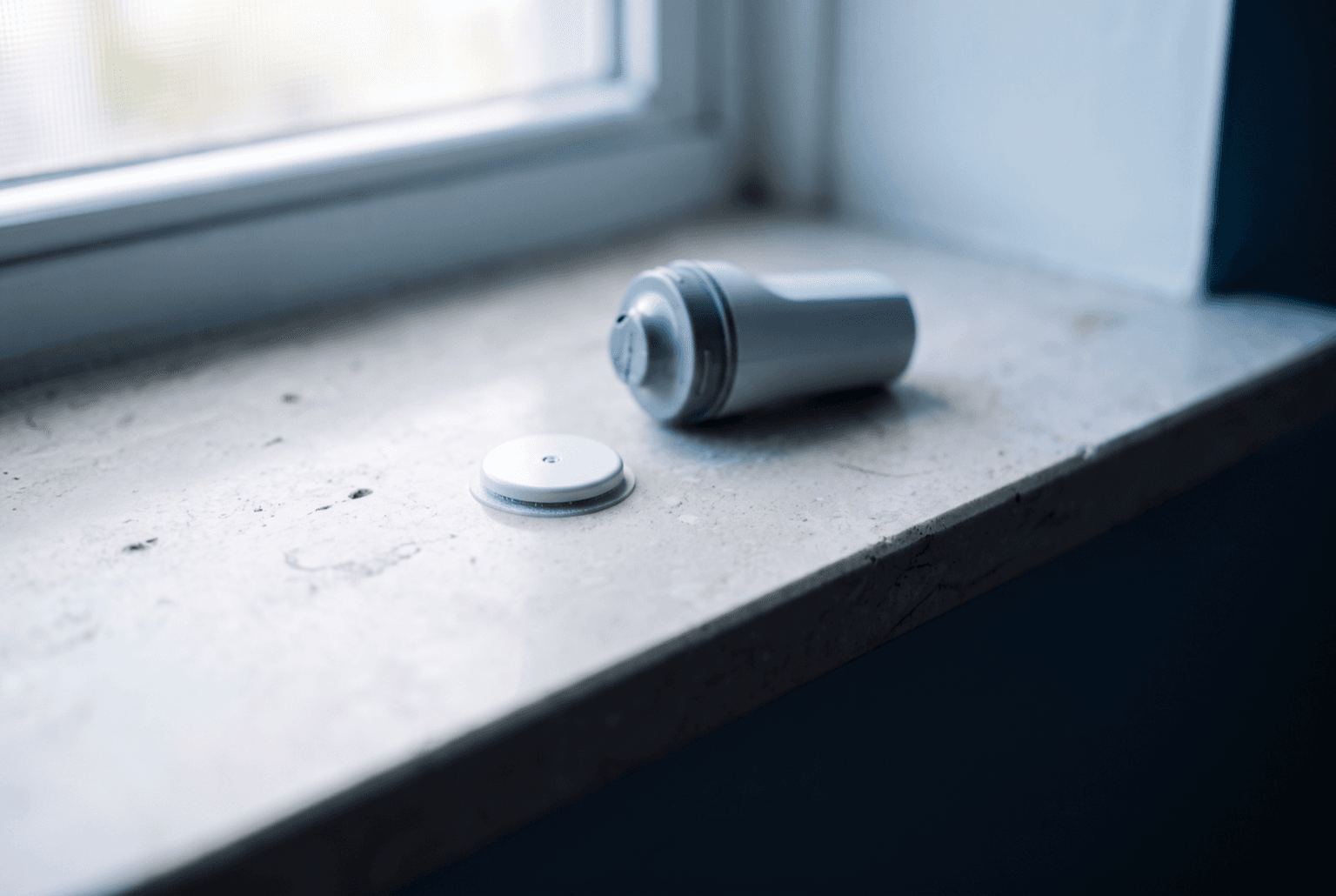
Continuous glucose monitor sensor and applicator on a stone surface

Overview

India's national ICMR-INDIAB survey of more than 113,000 adults found that 11.4% had diabetes and 15.3% had prediabetes (Anjana RM et al., Lancet Diabetes & Endocrinology, 2023). Standard tests can also miss what happens between meals. In a 2018 Stanford study using continuous glucose monitoring (Hall H et al., PLOS Biology), even people classed as normoglycaemic by standard tests spent about 15% of the time in the prediabetic range and about 2% in the diabetic range, swings that a fasting glucose test cannot show.

A continuous glucose monitor (CGM) is a small sensor applied to the back of your upper arm that measures interstitial glucose every 1-5 minutes, 24 hours a day, for 14 consecutive days. Unlike a fasting glucose test (a single snapshot) or HbA1c (a 90-day average), CGM reveals the full dynamic picture: your glucose response to every meal, your overnight glucose stability (or lack thereof), your dawn phenomenon, your post-exercise glucose trajectory, and the real-time metabolic cost of sleep deprivation and stress.

For non-diabetics, the insights are revelatory. You discover which foods raise your glucose most, and it is often not what you expect. In a 2015 study of 800 people (Zeevi D et al., Cell), glucose responses to identical meals varied widely from person to person. You see how meal timing, food order (vegetables before carbohydrates), sleep quality, and exercise modulate your glucose curve. You learn your personal glycemic fingerprint.

Our CGM program is physician-supervised, which is what differentiates it from direct-to-consumer CGM products. You receive the sensor, wear it for 14 days, and then sit down with our longevity physician for a comprehensive metabolic review. We analyze your time-in-range (target: >90% between 70-120 mg/dL), glucose variability (standard deviation and coefficient of variation), post-meal peaks, overnight patterns, and dawn effect. From this data, we construct a personalized nutrition and lifestyle strategy.

This is metabolic intelligence that was unavailable to anyone outside of a research lab five years ago. Book a consultation with our longevity physician to determine if a CGM program is right for your metabolic optimization goals.
What the evidence says

Evidence · Emerging

Plausible biology and early human data. We tell you what is and is not known. How we grade evidence

What it shows

In people without diabetes, glucose monitors reveal spikes that fasting tests miss, and responses to the same meal vary widely between people.

What it does not show

No outcome trial yet shows that eating guided by a glucose monitor prevents disease in people without diabetes.

  1. 01
    Hall H, et al. Glucotypes reveal new patterns of glucose dysregulation. PLoS Biol, 2018. (opens in a new tab)

    People whose standard tests were normal spent 15% of the time in the prediabetic range on a glucose monitor.

  2. 02
    Zeevi D, et al. Personalized nutrition by prediction of glycemic responses. Cell, 2015. (opens in a new tab)

    In 800 people, glucose responses to identical meals varied widely; personalised diets lowered post-meal glucose.

What it can and cannot do

What it can do

  • Record glucose every few minutes for 14 days, through meals, sleep and exercise.
  • Show spikes that a fasting test misses.Source [1]
  • Show how your glucose responds to particular meals, which varies widely between people.Source [2]

What it cannot do

  • Show that eating guided by a monitor prevents disease in people without diabetes. No outcome trial shows that yet.
  • Stay on through an MRI. The sensor has to be removed.

Numbers in brackets point to the studies above. Medical review: a physician who did not write this page checks each line against the source it cites, and checks that nothing reads as a promised result. How we review

Who it's for

A good fit

  • Adults without diabetes who want to see their own glucose responses, knowing outcome trials are lacking
  • Individuals with prediabetes or insulin resistance
  • Anyone curious about personal glucose responses to food
  • Athletes optimizing fueling and recovery nutrition
  • Individuals with a family history of type 2 diabetes
  • Weight management patients

Talk to us first

  • Severe skin reactions to adhesive (rare)
  • MRI scheduled during wear period (sensor must be removed)

The markers that decide whether you need this

A glucose monitor is most useful when these results are borderline, because it shows what a single reading cannot.

Before your appointment

  • Tell us if adhesives have irritated your skin before.
  • Tell us if an MRI is planned in the next 14 days; the sensor has to come off for it.
  • The sensor is waterproof and stays on through daily activity.
  • Time to allow: 14-day continuous monitoring, then 60-minute physician analysis session.

Your physician confirms at screening whether this is right for you. If anything above applies, tell us when you book.

What happens on the day

  1. 01

    Before you arrive

    Preparation instructions, such as fasting for blood work, are sent when you book.

  2. 02

    The test

    Consent and basic vitals, then the assessment itself: 14-day continuous monitoring + 60-minute physician analysis session.

  3. 03

    Physician review

    A Genoryx physician takes you through the results against your history and goals.

  4. 04

    Your plan

    A written summary with clear next steps and when to retest.

What we measure

  • 01Continuous glucose monitoring sensor (14-day wear)
  • 02Smartphone-based real-time glucose tracking
  • 03Physician metabolic analysis dashboard
  • 04Food-glucose correlation mapping

Physician oversight

Every result is reviewed with you by a Genoryx physician, against your history and goals. Results are interpreted in context, not as a stand-alone diagnosis, and anything that needs specialist follow-up is referred on.

Meet the clinical team

Questions people ask

Can non-diabetics use a continuous glucose monitor?

Yes. CGM is increasingly used to understand metabolic health in people without diabetes. Research shows that some people with "normal" fasting glucose spend part of the day in the prediabetic range, often after meals. CGM reveals these hidden patterns and empowers you to make data-driven dietary changes.

How is your CGM program different from buying an Ultrahuman or Levels device directly?

Direct-to-consumer CGMs give you data but limited clinical interpretation. Our program includes physician-supervised analysis of your full 14-day glucose profile, correlation with your biomarker data, and a personalized nutrition strategy. We contextualize your glucose patterns within your complete metabolic picture, not in isolation.

What should my glucose levels be for optimal metabolic health?

Longevity-optimized targets are more stringent than conventional medical thresholds. We target fasting glucose of 72-85 mg/dL, post-meal peaks below 120 mg/dL (ideally below 110), and time-in-range (70-120 mg/dL) above 90%. Your physician will set personalized targets based on your metabolic profile.

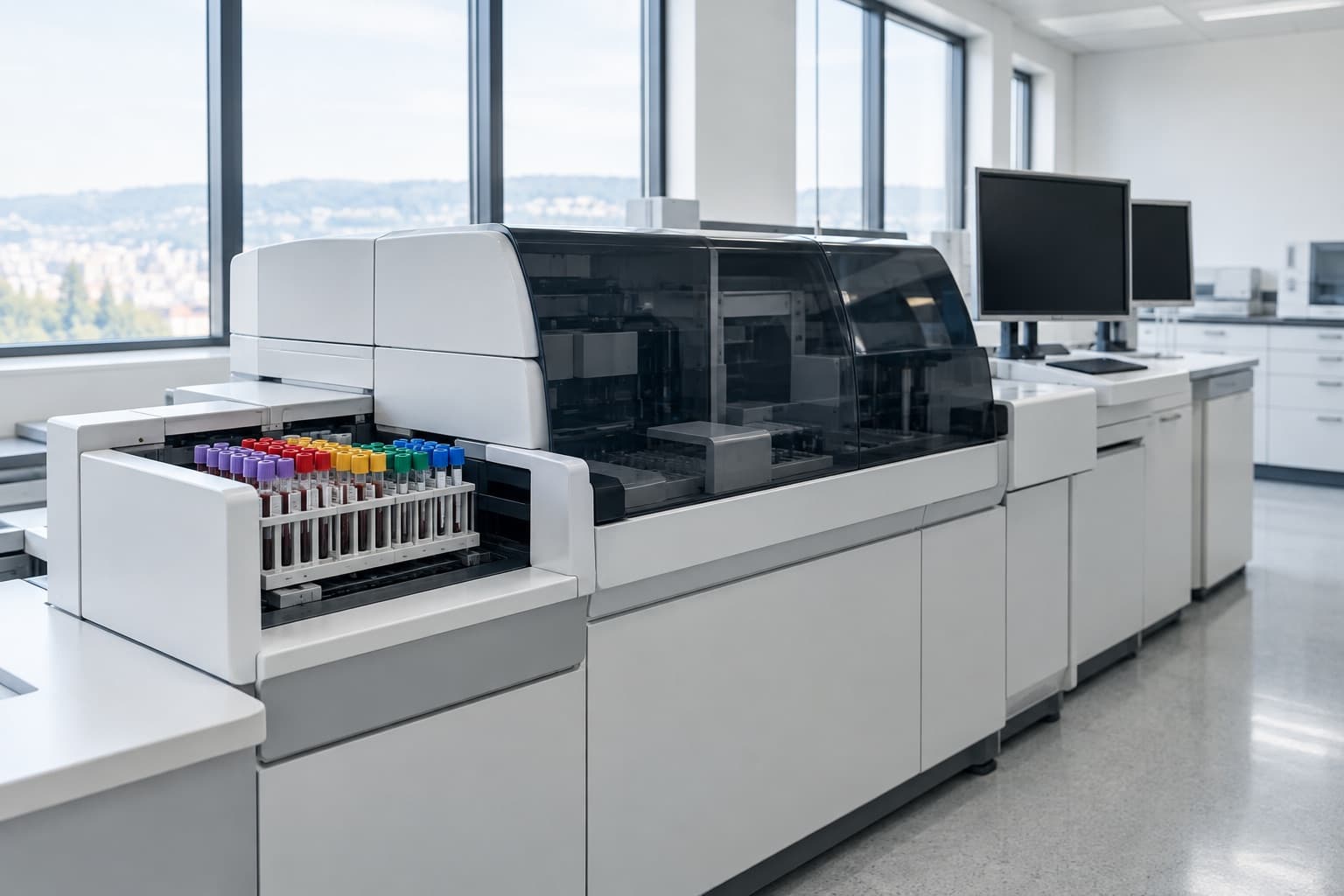
Automated blood analyser with a rack of collection tubes in a daylit laboratory

Evidence · Established

Comprehensive Biomarker Panel

The fasting blood panel in the 400+ parameter entry assessment: heart, metabolic, hormone, liver, kidney and inflammatory health, read with a physician.

30-45 minutes (blood draw) + 60-minute physician consultation

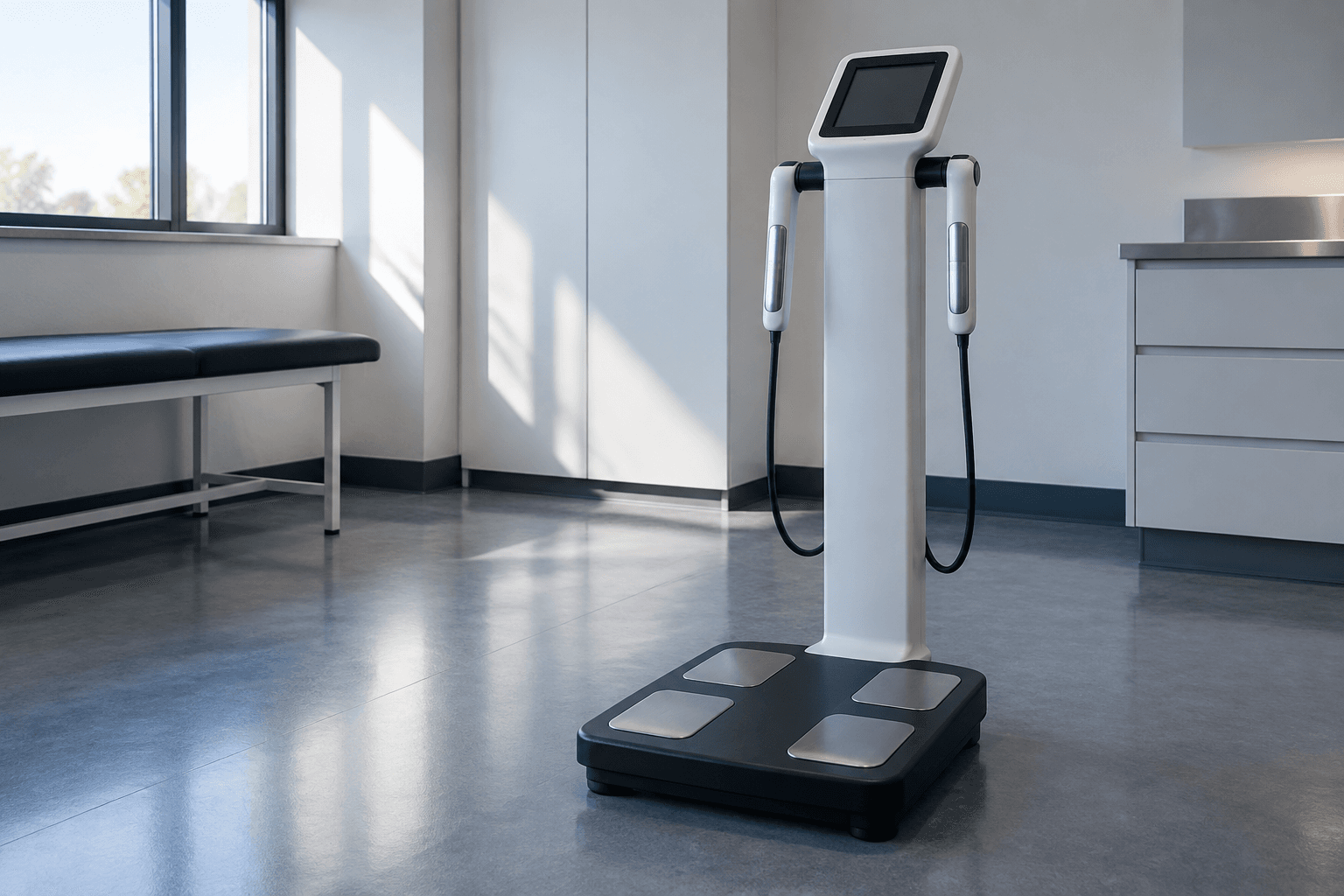
Standing bioelectrical impedance body-composition analyser in a clinic room

Evidence · Strong & indicated

InBody Body Composition Analysis

A 60-second bioelectrical impedance scan of muscle, fat, visceral fat and body water by body segment, reviewed with a physician.

60 seconds (scan) + 15-minute physician review

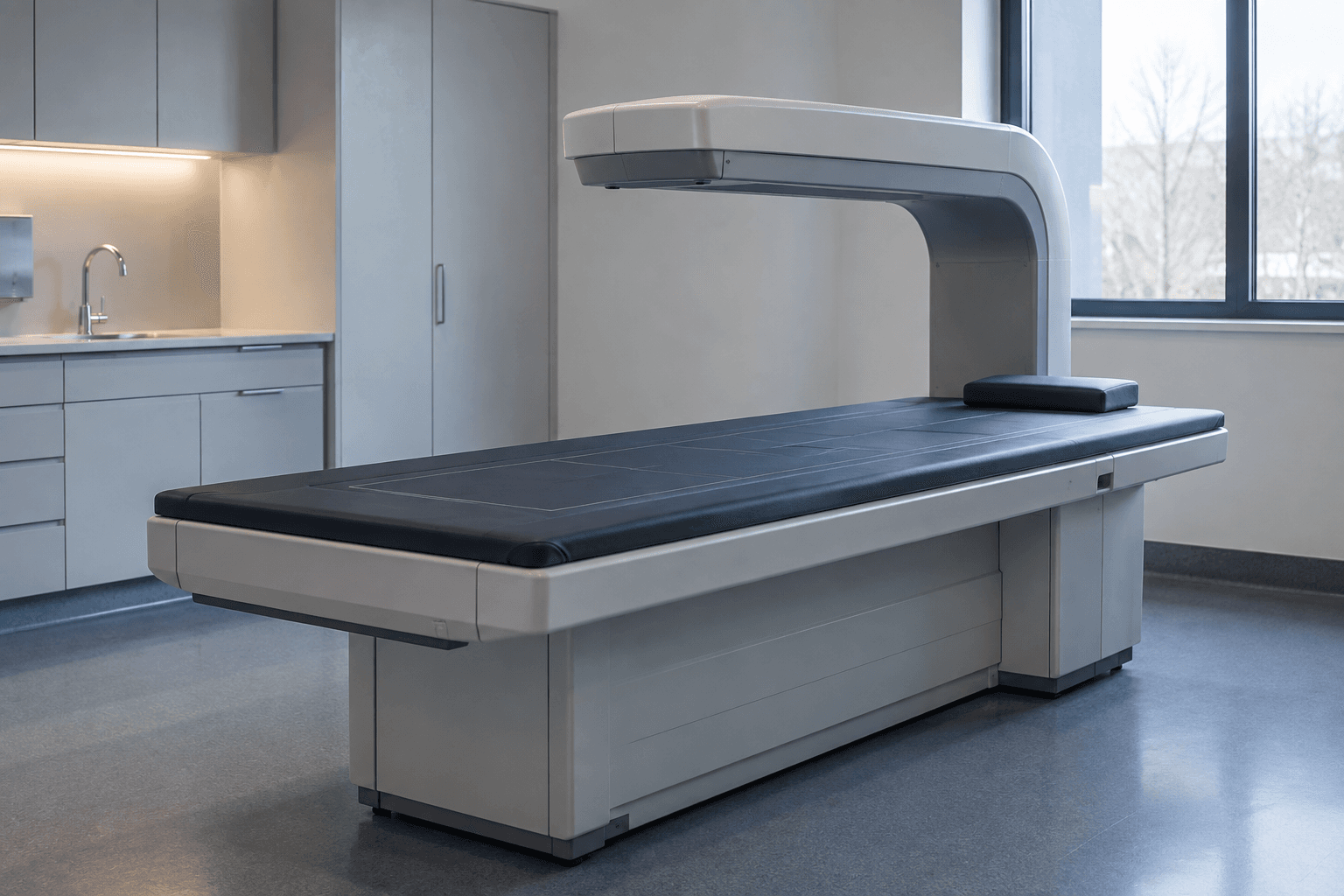
DEXA body-composition scanner with its scanning arm over the table

Evidence · Established

DEXA Body Composition Scan

Dual-energy X-ray absorptiometry, a reference method for measuring fat, lean mass, visceral fat and bone density region by region.

10-15 minutes (scan) + 30-minute physician review

Your biological age is a number you can measure.

Start with the 400+ parameter entry assessment and a 60-minute physician consultation at either Hyderabad clinic. Open seven days, 11 AM to 9 PM.

Book a consultation