In this article
Normal Is Not Optimal
If your doctor tells you your HbA1c of 5.5% is "perfectly normal," they are not wrong. By conventional medical standards, anything below 5.7% falls within the reference range. But here is the question longevity medicine asks: Is "normal" good enough when your goal is to live well for as long as possible?
The answer, increasingly backed by data, is no.
What HbA1c Actually Measures
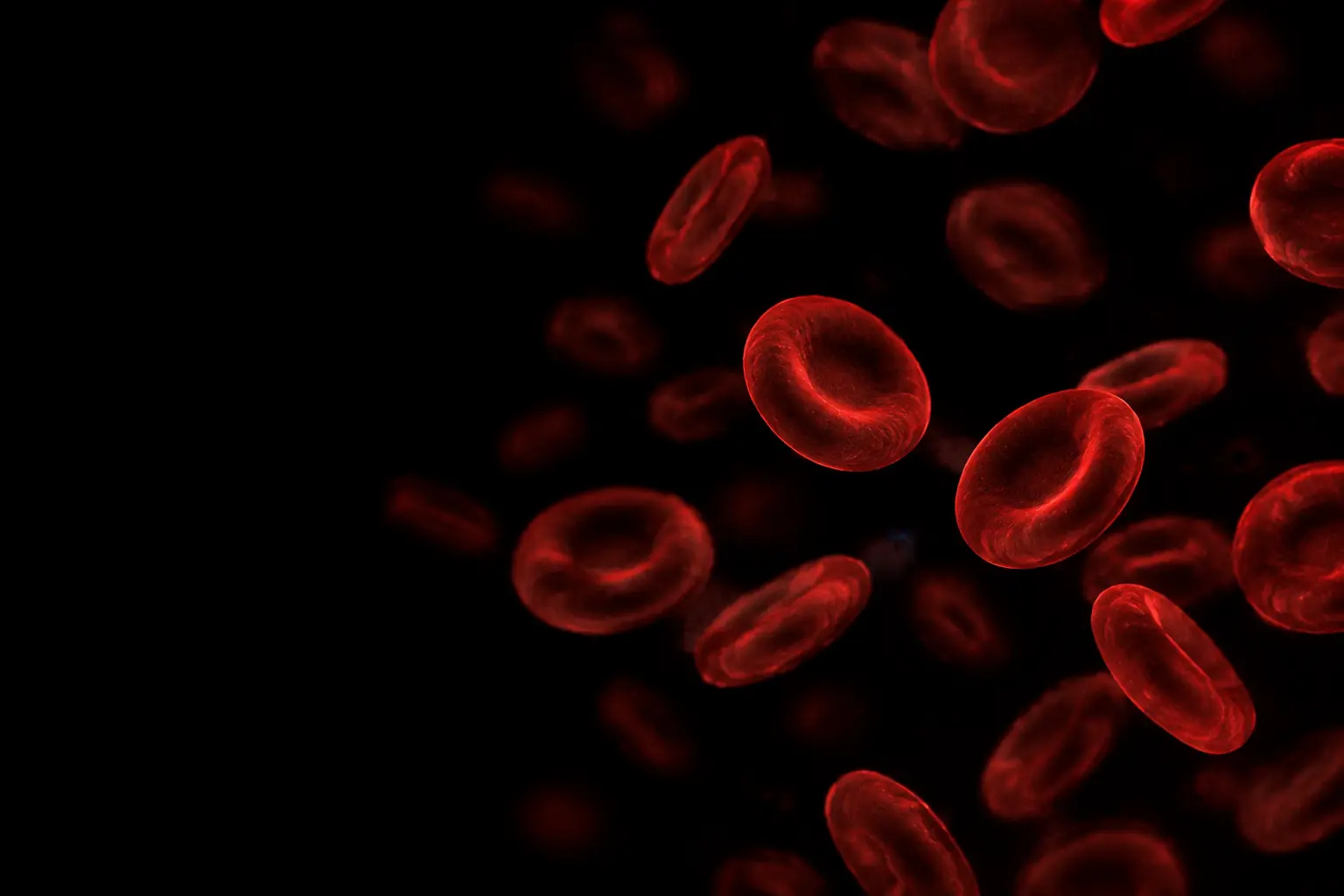
HbA1c — glycated hemoglobin — measures the percentage of your red blood cells that have glucose molecules permanently attached to them. Because red blood cells live for about 90-120 days, HbA1c gives you a rolling average of blood sugar exposure over the past three months. It is a far more informative marker than a single fasting glucose reading.
The Longevity Perspective
Here is what the data tells us when we look beyond the diabetes threshold:
A 2019 study in BMJ following over 500,000 participants found that cardiovascular risk begins to rise at HbA1c levels well below the diabetic threshold. Risk acceleration was detectable starting at approximately 5.0%. A meta-analysis in Diabetes Care demonstrated a continuous, dose-response relationship between HbA1c and cardiovascular events — there was no "safe" plateau within the conventional normal range.
In longevity medicine, we understand that glycation — the binding of sugar molecules to proteins — is one of the key mechanisms of aging. Every point of HbA1c represents more glycation occurring throughout your body: in your blood vessels, your brain, your collagen, your kidneys. Glycation is cumulative and largely irreversible.
Why 5.0% Is the Target
Longevity-focused physicians like Peter Attia and others in the field target an HbA1c of under 5.0% — and ideally in the 4.7-4.9% range — because this level reflects genuinely low glycemic exposure. It means your cells are experiencing minimal sugar-mediated damage over time.
The difference between 5.5% and 4.8% may seem trivial. But over 30-40 years, the cumulative glycation burden is substantially different. This is the essence of longevity thinking: small differences in exposure, compounded over decades, produce enormous differences in outcomes.
How to Get There
Achieving an HbA1c under 5.0% is realistic for most non-diabetic individuals through lifestyle optimization:
Dietary composition matters: Reducing refined carbohydrates and increasing fiber, protein, and healthy fats dampens postprandial glucose spikes.
Meal timing matters: Eating earlier in the day and implementing time-restricted feeding windows reduces overall glycemic exposure.
Exercise is powerful: Both aerobic exercise and resistance training independently improve insulin sensitivity and glucose disposal.
Sleep quality matters: Even one night of poor sleep can temporarily increase insulin resistance by up to 25%.
Measuring with Precision
At Genoryx, we pair HbA1c with fasting insulin, HOMA-IR, and increasingly with continuous glucose monitoring (CGM) to build a complete picture of metabolic health. If your HbA1c is "normal" but you want to know whether it is optimal, schedule a consultation and let us interpret the numbers through a longevity lens.
Go deeper
Markers in this article
This article is for education. It is not a diagnosis or a treatment plan; decisions about tests, medicines or supplements belong in a consultation with a physician who knows your history.

About the author
Dr. R. Brahmananda Reddy
MSc Dermatology, University of Hertfordshire (UK) · Founder & Chief Longevity Physician
MBBS · MSc Dermatology (University of Hertfordshire, UK) · Fellowship in Aesthetic & Regenerative Medicine (University of Greifswald, Germany). 13+ years in clinical practice.
Full profile