In this article
- The Runner's Paradox: Why Your Watch Says You Are De-training
- The Science of Measurement: How Wearables vs. Clinical Labs Work
- Why VO2 Max is the Ultimate Longevity Metric
- Precision Diagnostics at Genoryx: The Gold Standard
- When Should You Get a Clinical Longevity Assessment?
- Frequently Asked Questions About VO2 Max
- Stop Guessing, Start Measuring
The Runner's Paradox: Why Your Watch Says You Are De-training
A Common High-Performer Scenario
Imagine you are Arjun, a 45-year-old executive in Jubilee Hills. You have spent the last three months meticulously following a marathon training plan, hitting the pavement before the Hyderabad heat peaks. You feel stronger and leaner, yet your Apple Watch delivers a crushing notification: your VO2 Max is trending downward. You are, according to the algorithm, "de-training."
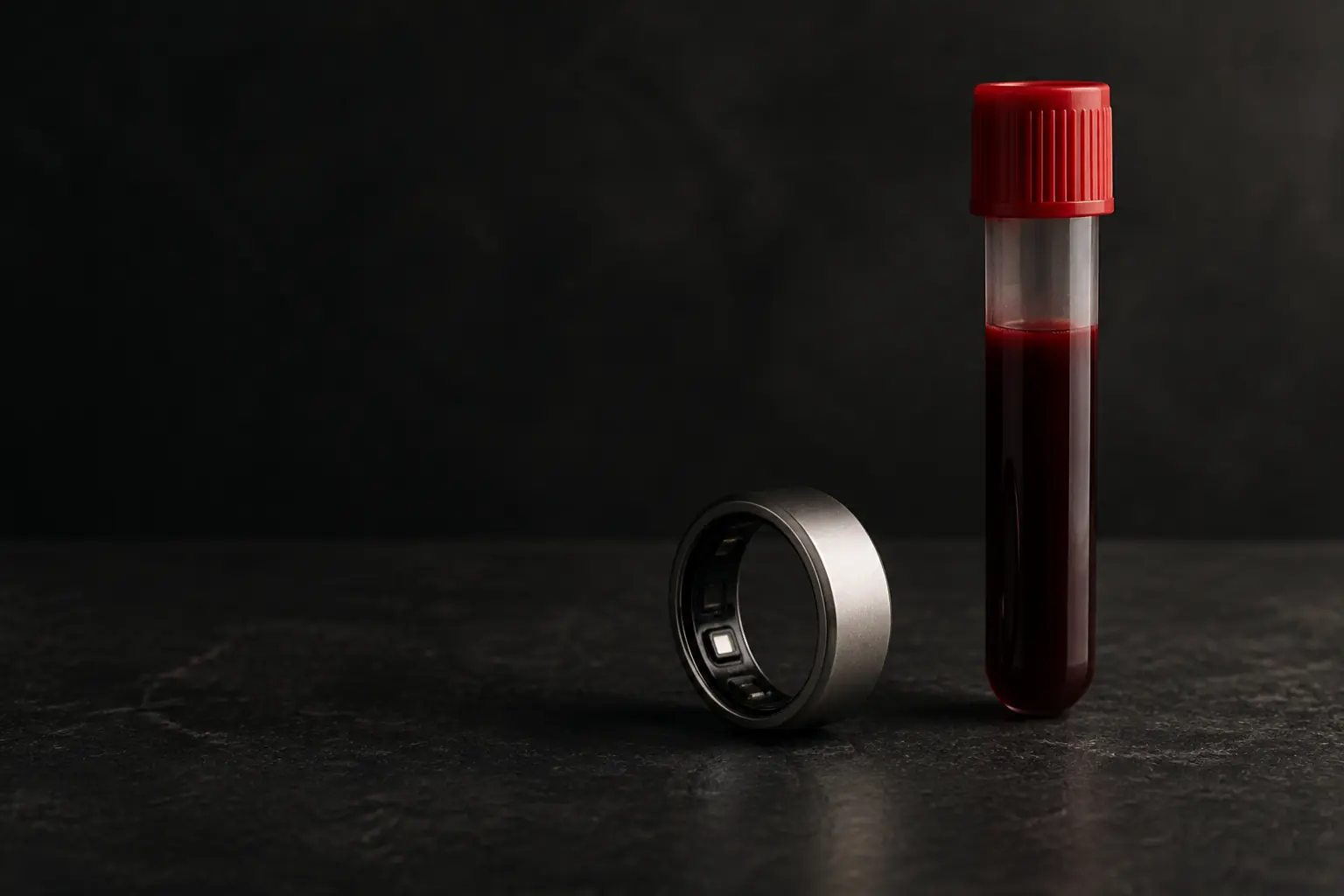
This is the "Runner's Paradox"—a source of immense frustration for high-performers who rely on data to drive their progress. The disconnect happens because your smartwatch does not actually measure your oxygen uptake. Instead, it creates a mathematical estimate based on your heart rate and pace. If your sensor shifts slightly on your wrist, or if you are running through a humid Hyderabad morning, the "phantom data" can cause your score to plummet regardless of your actual fitness.
Patient Insight: A recent patient at Genoryx was distraught by a 4-point drop on his wearable. After a gold-standard VO2 Max Testing session with our metabolic cart, we discovered his actual capacity was 15% higher than his watch suggested. He wasn't losing fitness; his watch was simply misinterpreting his recovery runs.
At Genoryx, Dr. Reddy emphasizes that relying on inaccurate estimates can be counterproductive. When you base your training on flawed data, you risk setting incorrect heart rate zones, which leads to overtraining or metabolic stagnation. To truly optimize your Metabolic Health, you need a physiological measurement, not just a digital guess. Understanding the difference between an algorithmic estimate and a clinical reality is the first step toward precision longevity.

Clinical metabolic suites provide direct gas analysis for 99% precision, far exceeding the reliability of wrist-based sensors.
The Science of Measurement: How Wearables vs. Clinical Labs Work
Estimation via Heart Rate vs. Direct Gas Exchange
Think of your smartwatch as a detective trying to solve a crime by looking only at footprints. It uses Photoplethysmography (PPG)—those flickering green lights on the back of your device—to measure your heart rate, then pairs it with GPS data to guess how much oxygen you are consuming. It is a sophisticated estimation, but it remains a 'black box' algorithm that you cannot peek inside.
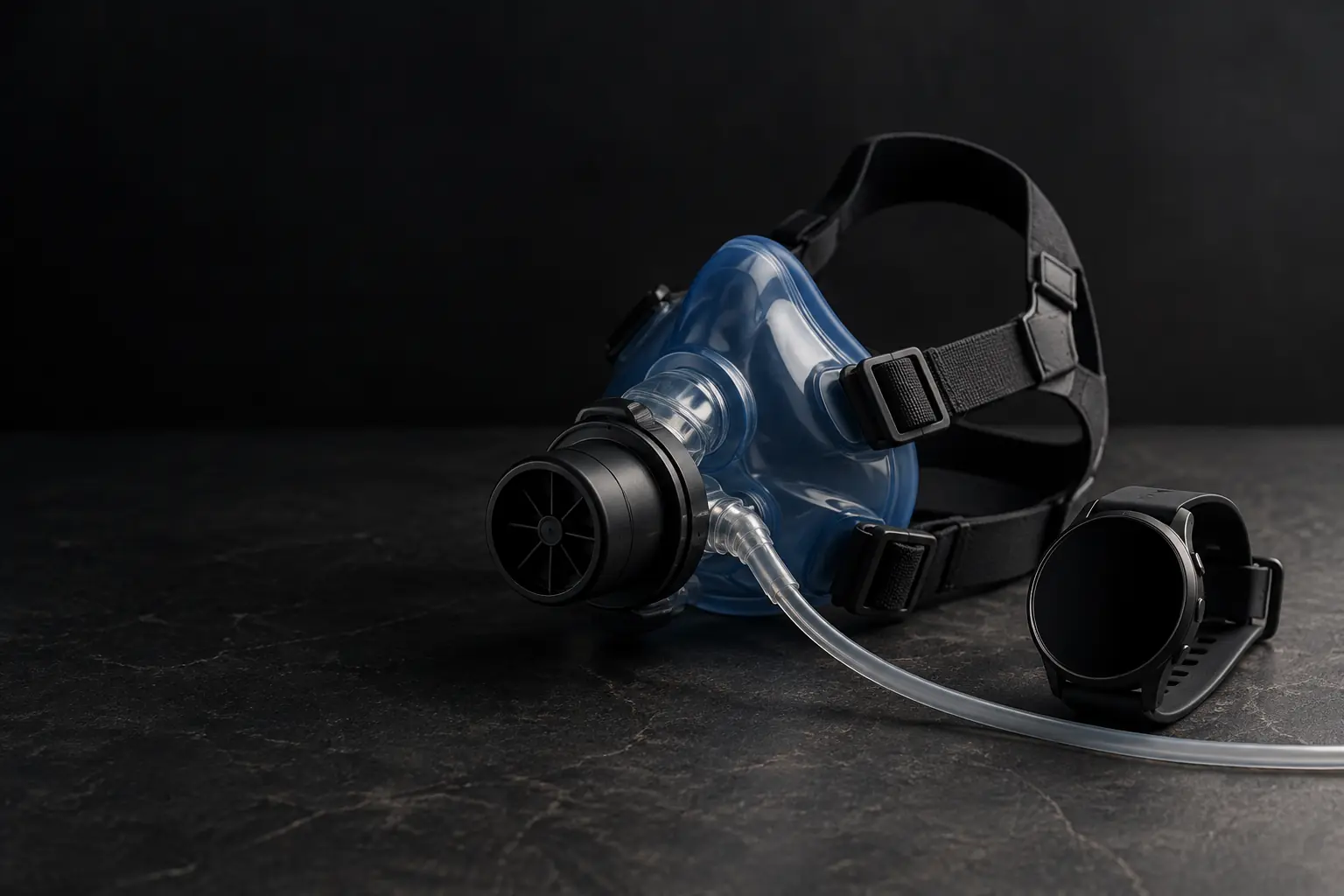
In contrast, clinical VO2 Max testing at Genoryx utilizes a metabolic cart to perform indirect calorimetry. Instead of guessing, we measure the actual molecules of oxygen you inhale and the carbon dioxide you exhale through a medical-grade mask. This is the gold standard because it tracks your gas exchange in real-time, providing an objective look at your cellular efficiency.
Feature | Wearable Technology | Metabolic Cart (Clinical) |
|---|---|---|
Primary Sensor | Optical HR (PPG) & GPS | O2 and CO2 Gas Analyzers |
Data Method | Algorithmic Prediction | Direct Physiological Measurement |
Accuracy Level | Variable (±10-15% error) | Gold Standard (99% precision) |
Input Variables | Age, Weight, Heart Rate | Breath-by-breath Gas Volume |
As Dr. Reddy explains to our patients, most wearables rely on math derived from the 'Cooper Test'—a 1960s field test designed for mass-testing soldiers. While these formulas have been updated, they still cannot account for your unique lung capacity or metabolic health. To build a truly precise longevity protocol, we must move from digital estimations to clinical reality.
Why VO2 Max is the Ultimate Longevity Metric
Beyond Fitness: The Biological Age Indicator
At Genoryx, Dr. Reddy often explains that VO2 Max is far more than a vanity metric for athletes; it is the single most powerful predictor of how long—and how well—you will live. Think of it as the horsepower of your biological engine. A higher capacity to utilize oxygen reflects a cardiovascular system and cellular architecture that can withstand the stressors of aging.
The data is staggering: research indicates that individuals in the highest fitness quartiles experience a 400% reduction in all-cause mortality compared to those with low fitness levels. This survival benefit outweighs the risks of smoking, coronary artery disease, or hypertension, making cardiorespiratory fitness the cornerstone of any serious longevity protocol.

High VO2 Max is strongly correlated with a significant reduction in all-cause mortality.
This metric also provides a direct window into your mitochondrial health. Your mitochondria are the power plants of your cells; when they are efficient, your Metabolic Health improves, and your body becomes better at burning fat and managing blood glucose. This efficiency is why we see such a strong correlation between high VO2 Max scores and youthful results in Epigenetic Age Testing.
By accurately measuring this metric, we can move beyond generic advice and design a precision movement plan. Whether we are optimizing your Zone 2 base or pushing your peak output, every intervention is aimed at keeping your biological age years—or even decades—behind the number on your passport.
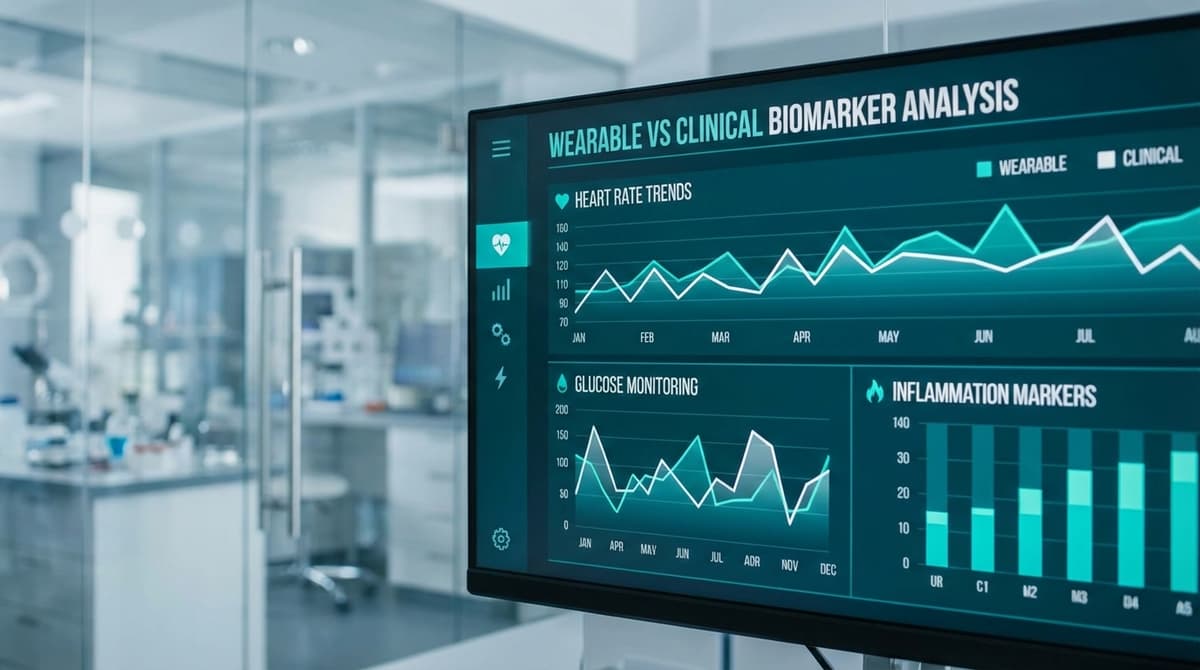
By overlaying wearable trends with clinical benchmarks, we create a high-fidelity roadmap for longevity.
Precision Diagnostics at Genoryx: The Gold Standard
From Assessment to Optimization
At Genoryx, we believe that you cannot optimize what you do not accurately measure. Our VO2 Max Testing utilizes medical-grade metabolic carts—the same gold-standard equipment used in elite sports science laboratories—to deliver 99.9% accuracy. While a wearable guesses your capacity, we capture your actual breath-by-breath gas exchange to provide Dr. Reddy with a definitive physiological baseline.
Pre-Test Preparation: To ensure the most accurate results, avoid heavy caffeine and intense exercise for 24 hours prior to your session. Arriving well-hydrated and in a fasted state allows the metabolic cart to capture your true metabolic efficiency without external interference.
Precision longevity requires seeing the forest and the trees simultaneously. We integrate your cardiorespiratory data with a Comprehensive Biomarker Panel to identify how your internal chemistry supports your physical output. This holistic approach ensures we aren't just looking at your engine's horsepower, but also the quality of the fuel and the integrity of the parts.
These insights form the foundation of the Genoryx Pulse Assessment, a high-performance roadmap tailored to your biology. If we identify mitochondrial limitations, we may recommend NAD+ IV Therapy to revitalize cellular energy or Hyperbaric Oxygen Therapy (HBOT) to enhance tissue oxygenation. At Genoryx, the data is not the destination; it is the catalyst for your personalized optimization plan.
When Should You Get a Clinical Longevity Assessment?
The Ideal Candidate for Precision Testing
Think of a standard health checkup as a basic car inspection—it checks if the engine starts and the brakes work. A clinical longevity assessment, however, is like Formula 1 telemetry; it looks at real-time performance data to ensure every system is optimized for the long haul. While wearables provide a 'daily snapshot,' they lack the granularity required to engineer a decade-extending protocol.
Dr. Reddy recommends moving beyond wearable estimates and generic lab reports if you fall into these categories:
The Plateaued High-Performer: You are training consistently in the gym or on the road, but your wearable data has stagnated or begun to trend downward despite your efforts.
The Proactive Leader (Age 35+): You have reached the biological pivot point where metabolic efficiency naturally begins to dip, and you want to establish a true baseline for your Epigenetic Age.
The 'Normal' Lab Trap: Your generic health checkups in Hyderabad come back 'normal,' yet you struggle with afternoon energy crashes, brain fog, or slow recovery—nuances that standard pathology labs often overlook.
At Genoryx, we offer tiered pathways to clarity. The Genoryx Spark Assessment is designed for those seeking a precise biological baseline, including gold-standard VO2 max and body composition testing. For those ready for a deep-dive into cellular optimization, the Genoryx Spectrum Assessment provides an exhaustive analysis of your metabolic, hormonal, and genetic landscape.
Precision Fact: Clinical testing identifies 'functional' declines years before they turn into 'pathological' diseases. At Genoryx, we don't just look for what is wrong; we look for what can be better.
Frequently Asked Questions About VO2 Max
Understanding the nuances of metabolic testing often brings up questions about frequency, safety, and optimization. At Genoryx, Dr. Reddy emphasizes that clarity is the first step toward effective clinical intervention. Here are the answers to the most common questions our patients in Hyderabad ask during their longevity consultations.
Click to expand
How often should I undergo clinical VO2 Max testing?
For those committed to a precision longevity protocol, Dr. Reddy recommends a gold-standard assessment every 6 months. This interval allows enough time for physiological adaptations from your training and nutrition plans to manifest in your cellular data. Think of it as a biannual "performance audit" that ensures your efforts are actually moving the needle on your biological age.
Click to expand
Can I improve my VO2 Max with specific clinical therapies?
While cardiovascular training is the primary driver, adjunctive therapies can certainly enhance your ceiling. For instance, Red Light Therapy works at the mitochondrial level to improve energy production efficiency. Similarly, NAD+ IV Therapy can revitalize the coenzymes necessary for oxygen utilization, effectively "greasing the wheels" of your metabolic machinery.
Click to expand
Why does my smartwatch VO2 Max score fluctuate when I change my watch strap?
This highlights the inherent fragility of wearable data. Smartwatches rely on light-based sensors that require a consistent, light-tight seal against your skin. A different strap material or a slightly looser fit can cause "light leakage," which the algorithm may misinterpret as a change in heart rate. This is why we treat wearable data as a "trend" rather than an absolute truth.
Click to expand
Is clinical testing safe for individuals with existing metabolic concerns?
Absolutely. Because Genoryx is a physician-led clinic, every VO2 Max Testing session is conducted under clinical supervision. Unlike a standard gym-based stress test, we monitor your physiological response in real-time, allowing Dr. Reddy to ensure the intensity remains within a safe and productive window for your specific health profile.
Consistency is key for data integrity. When coming in for a re-test, try to mimic the conditions of your first test, including the time of day and your pre-test meal, to ensure the most accurate comparison of your progress.
Stop Guessing, Start Measuring
Relying solely on a wrist-based algorithm for your most critical health metrics is like navigating a high-stakes flight using a weather app instead of cockpit radar. While wearables offer convenience, the risk of "false data" leading to incorrect training decisions is a gamble your long-term health does not need to take. High-performers require high-fidelity data to truly optimize their longevity.
The Precision Gap: A 10-15% error margin in wearable VO2 Max estimation can mean the difference between staying in an optimized metabolic zone and falling into counterproductive overtraining.
At Genoryx, we close the gap between digital estimation and clinical reality. Under the expert guidance of Dr. Reddy, your physiological data—from gold-standard VO2 Max Testing to a Comprehensive Biomarker Panel and DEXA & InBody Composition—is synthesized into a high-performance roadmap. We do not just hand you a report; we provide the clinical context required to move the needle on your biological age.
Precision longevity is not about chasing a number on a screen; it is about building a cardiorespiratory engine that maintains its performance for decades. By moving from "guessing" to "measuring," you take the first definitive step toward mastering your future self. We invite you to visit our state-of-the-art facility in Hyderabad to experience the difference that physician-led diagnostics can make.
Go deeper
Related explainers
This article is for education. It is not a diagnosis or a treatment plan; decisions about tests, medicines or supplements belong in a consultation with a physician who knows your history.

About the author
Dr. R. Brahmananda Reddy
MSc Dermatology, University of Hertfordshire (UK) · Founder & Chief Longevity Physician
MBBS · MSc Dermatology (University of Hertfordshire, UK) · Fellowship in Aesthetic & Regenerative Medicine (University of Greifswald, Germany). 13+ years in clinical practice.
Full profile