Skip to content
Two clinics in Hyderabad.Two clinics in Hyderabad: Banjara Hills and Manikonda.Visit us

Cryotherapy & Recovery

Whole-Body Cryotherapy

A three-minute, supervised exposure to very cold dry air after a cardiovascular screening, used mainly for soreness and recovery.

Duration
3 minutes (cold exposure) + 10-minute preparation
Sessions
As needed; 2-3 per week for active recovery protocols
Downtime
None — resume activity immediately
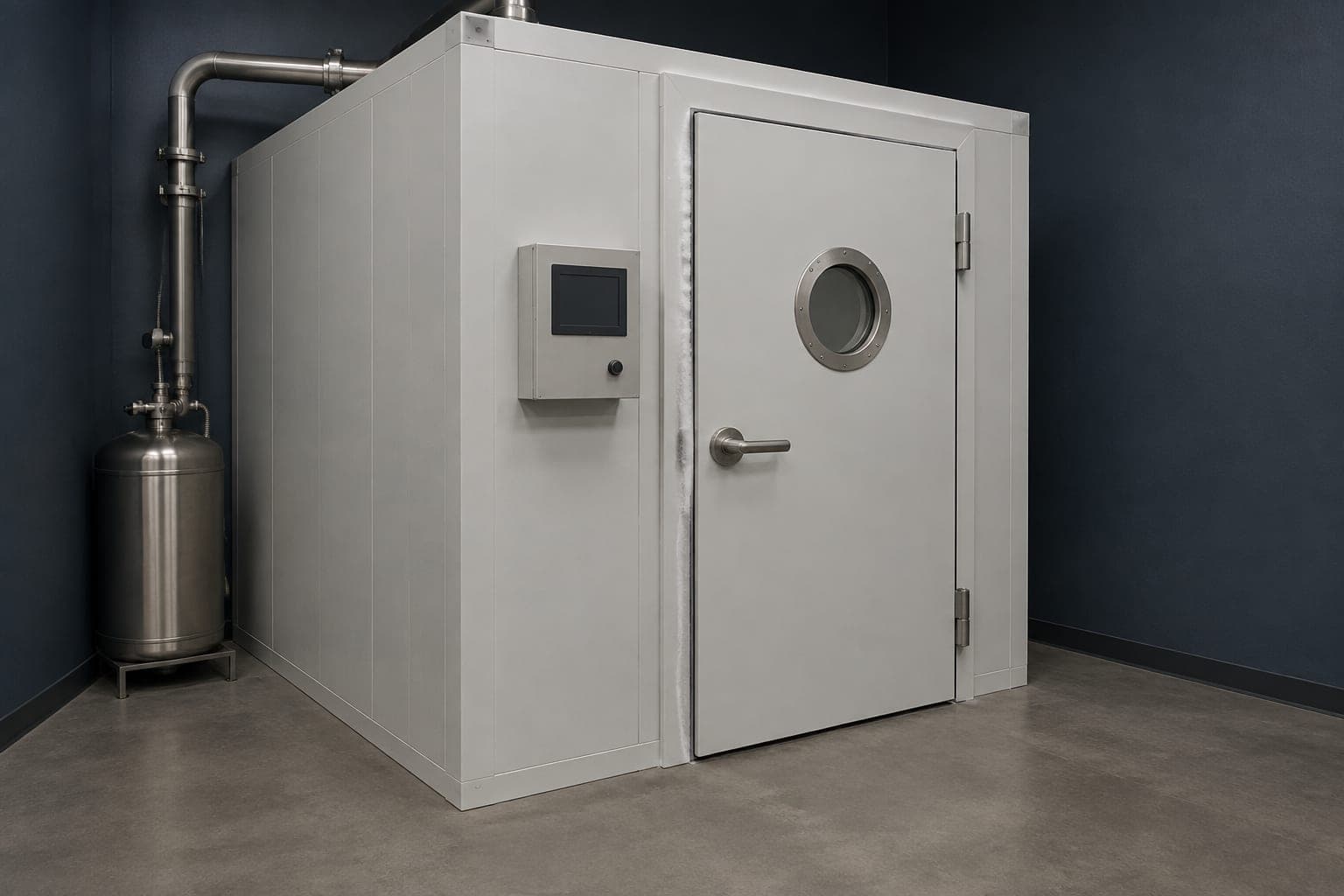
Walk-in whole-body cryotherapy chamber with an insulated door and liquid-nitrogen supply

Overview

Whole-body cryotherapy exposes the body to extreme cold, typically between minus 110 and minus 140 degrees Celsius, for two to three minutes in a purpose-built chamber. The immediate response is strong: blood vessels in the skin constrict to preserve core temperature, heart rate and blood pressure change, and the body releases stress hormones such as noradrenaline. Many people feel alert afterwards.

The evidence for recovery benefits is limited. A Cochrane review (Costello JT et al., 2015) found only four small trials, 64 participants in total, almost all young men. It concluded that there was insufficient evidence to determine whether whole-body cryotherapy reduces muscle soreness or improves subjective recovery after exercise, and noted that adverse effects had not been properly monitored. Laboratory studies of inflammatory markers exist, but they do not settle the question of clinical benefit.

Cold exposure also affects how people feel. Noradrenaline rises with cold, and many people report better mood and alertness after a session, but this has not been well tested against a control. Compared with ice baths, cryotherapy delivers cold through dry air rather than water, which some people find easier to tolerate. Neither approach is risk-free for people with heart or circulation problems.

A session at our clinic takes about three minutes of cold exposure, after preparation and a safety briefing. You wear minimal clothing with socks, gloves and ear protection to protect the extremities. The experience is intense but brief. There is no downtime, and you can resume normal activity straight away.

We offer cryotherapy for people who enjoy cold exposure and want it supervised, and we are clear that the recovery evidence is weak. Book a consultation with our longevity physician to discuss whether it suits you.
What the evidence says

Evidence · Emerging

Plausible biology and early human data. We tell you what is and is not known. How we grade evidence

What it shows

Brief, supervised cold exposure is well tolerated after screening, and some people find it eases soreness.

What it does not show

A Cochrane review found too little evidence to say that whole-body cryotherapy reduces muscle soreness or speeds recovery.

  1. 01

What it can and cannot do

What it can do

  • Give a brief cold exposure of about three minutes, supervised throughout, with no downtime.

What it cannot do

  • Reduce muscle soreness or speed recovery on current evidence. A Cochrane review found too little evidence to say so.Source [1]
  • Be used with uncontrolled high blood pressure, cold urticaria, an untreated arrhythmia or in pregnancy. These are screened for first.

Numbers in brackets point to the studies above. Medical review: a physician who did not write this page checks each line against the source it cites, and checks that nothing reads as a promised result. How we review

Who it's for

A good fit

  • Athletes who want to try supervised cold exposure after training
  • Adults who enjoy cold exposure and want it supervised
  • People who prefer dry cold to an ice bath
  • Anyone exploring cold therapy in a supervised clinical setting
  • Adults who have been screened for heart and circulation problems

Talk to us first

  • Uncontrolled hypertension
  • Raynaud's disease (severe)
  • Cold urticaria (cold-induced allergic reaction)
  • Untreated cardiac arrhythmias
  • Pregnancy

Before your first session

  • Tell us about high blood pressure, Raynaud’s, cold urticaria, an irregular heartbeat or pregnancy.
  • Wear dry clothing; hands, feet and ears are protected as the team instructs.
  • Time to allow: 3 minutes (cold exposure), then 10-minute preparation.

Your physician confirms at screening whether this is right for you. If anything above applies, tell us when you book.

What happens on the day

  1. 01

    Screening

    Blood pressure, heart and circulation history, and cold sensitivity are checked.

  2. 02

    Preparation

    Dry clothing, with hands, feet and ears protected as the team instructs.

  3. 03

    The session

    A short exposure, supervised throughout: 3 minutes (cold exposure) + 10-minute preparation.

  4. 04

    Afterwards

    You rewarm naturally. There is no downtime and you can return to your day.

Equipment and method

  • 01Whole-body cryotherapy chamber (-110°C to -140°C)
  • 02Liquid nitrogen cooling system
  • 03Continuous temperature and session duration monitoring
  • 04Safety interlock and emergency protocols

Physician oversight

Every client is screened by a physician before their first exposure, and each session is supervised from start to finish by trained staff.

Meet the clinical team

Questions people ask

Is cryotherapy dangerous? How cold is -110°C?

Minus 110°C is extremely cold, but the exposure is only 2-3 minutes and the air in a cryotherapy chamber has very low moisture content, which means heat transfers from your body much more slowly than it would in cold water. You feel intense cold on the skin but your core temperature barely changes. It is generally safe with screening and trained staff, but cold burns and blood pressure rises can occur, which is why we screen you first and do not recommend unsupervised exposure at these temperatures.

How is this different from an ice bath?

Ice baths (typically 0 to 5°C water) expose you to cold through water, which transfers heat from the body about 25 times faster than air. This makes ice baths uncomfortable and potentially risky for individuals with cardiovascular conditions. Cryotherapy delivers cold through very cold but dry air, is more uniform across the body, and takes 3 minutes instead of 10-20. The evidence for recovery benefits is limited for both, so the choice is mostly about preference and tolerance.

How often should I do cryotherapy?

There is no evidence-based ideal frequency. Some athletes use 2-3 sessions per week during heavy training; others use it occasionally after hard sessions. Your physician will agree a frequency with you after screening and review how you respond.

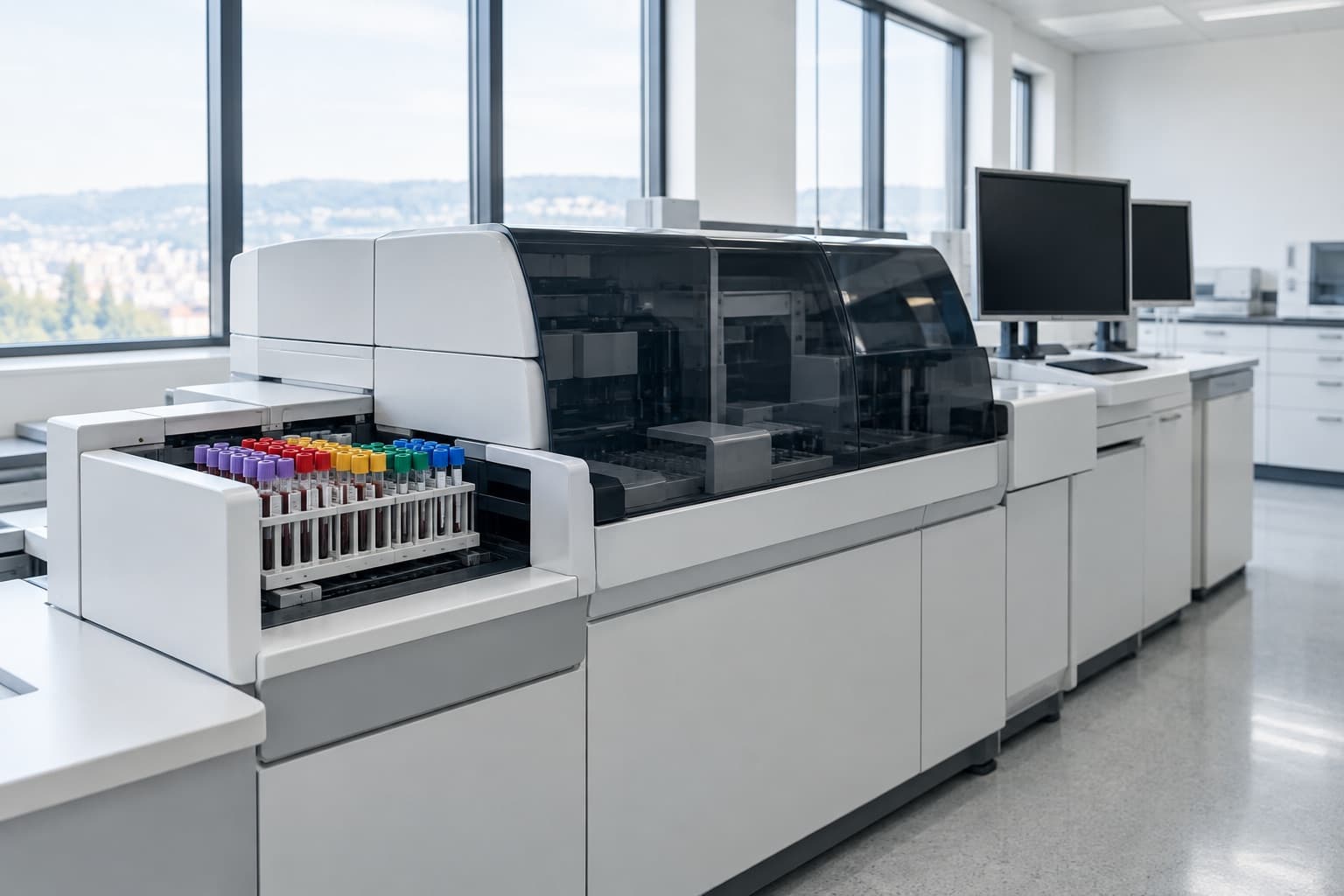
Automated blood analyser with a rack of collection tubes in a daylit laboratory

Evidence · Established

Comprehensive Biomarker Panel

The fasting blood panel in the 400+ parameter entry assessment: heart, metabolic, hormone, liver, kidney and inflammatory health, read with a physician.

30-45 minutes (blood draw) + 60-minute physician consultation

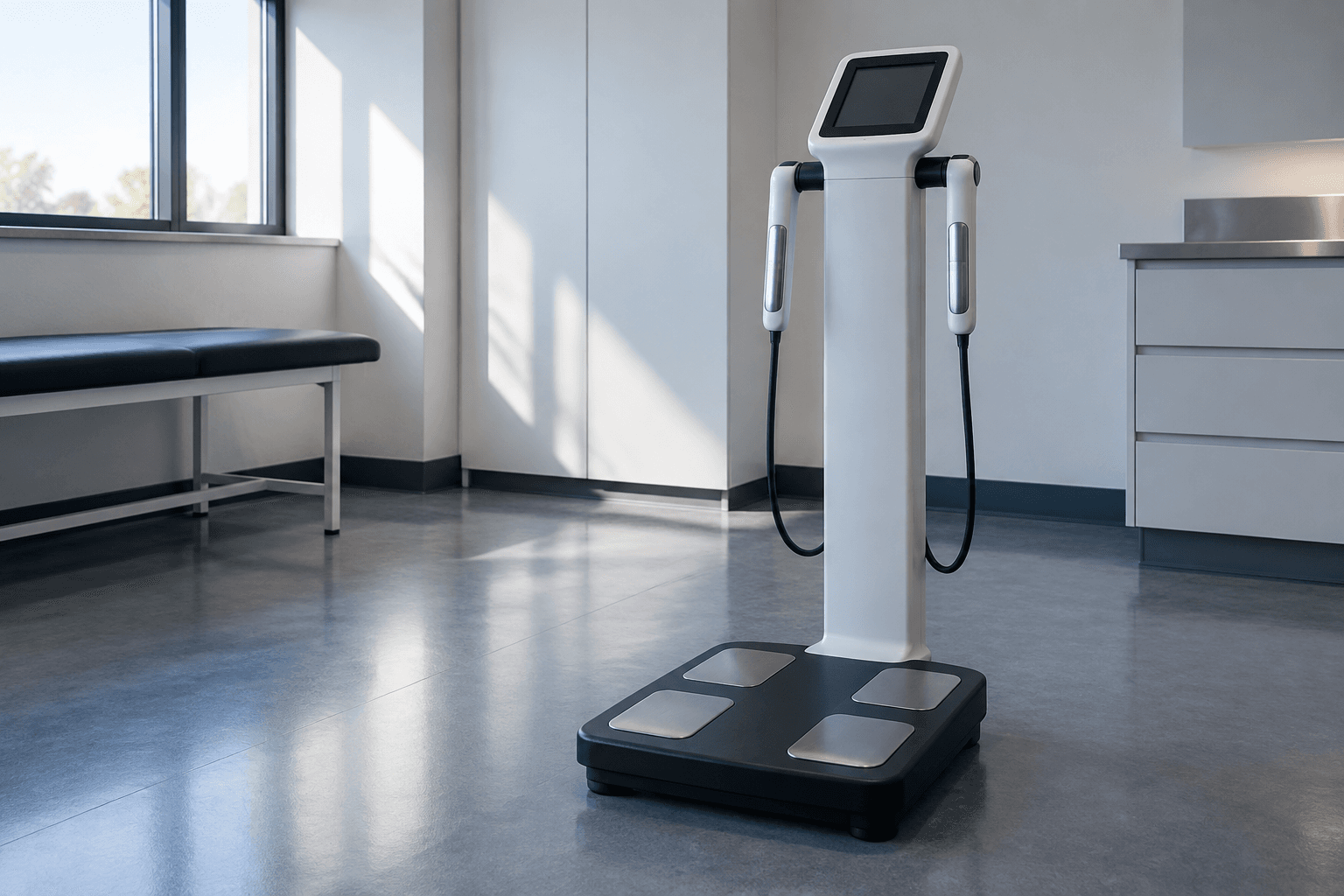
Standing bioelectrical impedance body-composition analyser in a clinic room

Evidence · Strong & indicated

InBody Body Composition Analysis

A 60-second bioelectrical impedance scan of muscle, fat, visceral fat and body water by body segment, reviewed with a physician.

60 seconds (scan) + 15-minute physician review

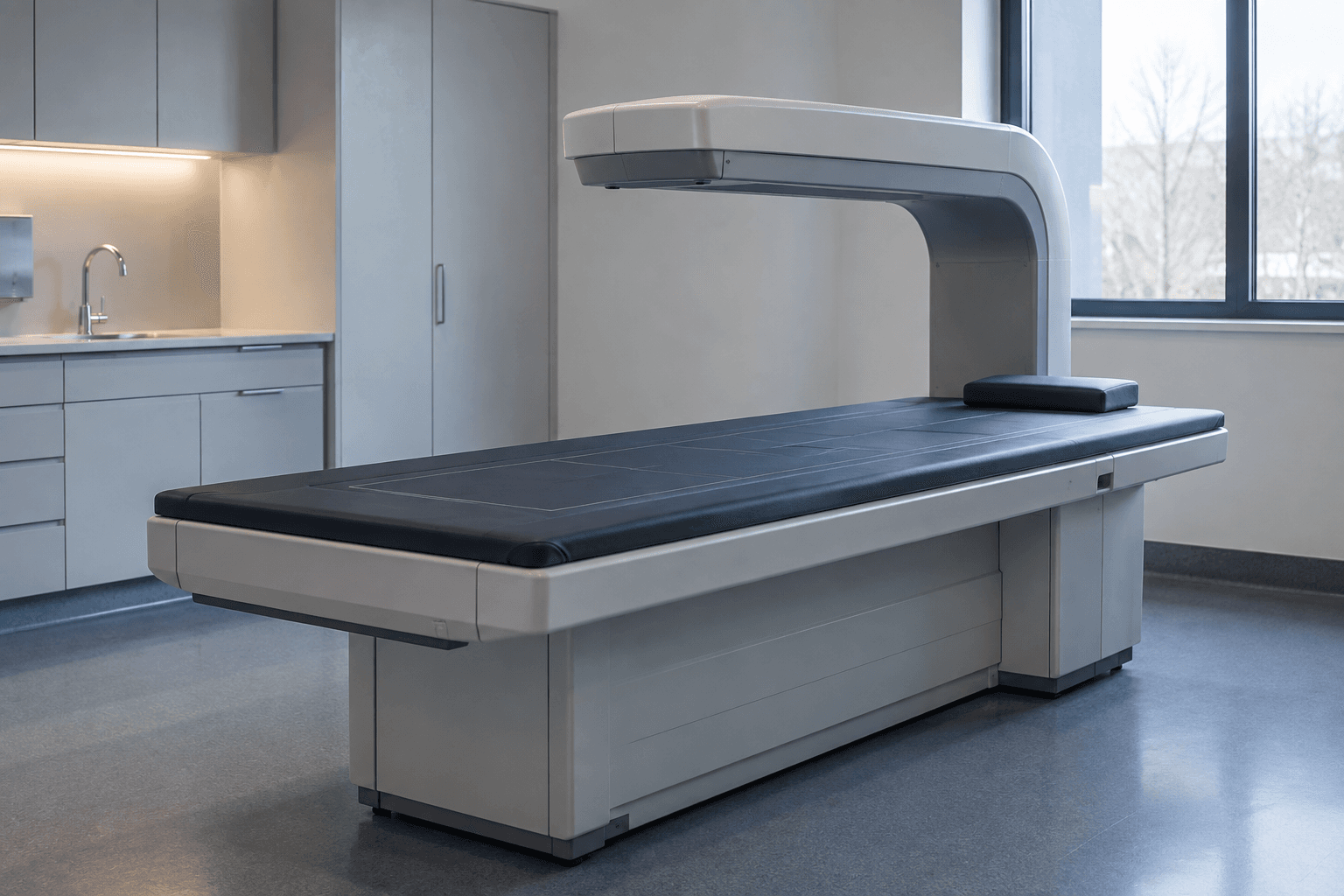
DEXA body-composition scanner with its scanning arm over the table

Evidence · Established

DEXA Body Composition Scan

Dual-energy X-ray absorptiometry, a reference method for measuring fat, lean mass, visceral fat and bone density region by region.

10-15 minutes (scan) + 30-minute physician review

Your biological age is a number you can measure.

Start with the 400+ parameter entry assessment and a 60-minute physician consultation at either Hyderabad clinic. Open seven days, 11 AM to 9 PM.

Book a consultation