In this article
The Checkup That Matches the Stakes
If you are a CEO, founder, or senior executive, the decisions you make daily impact thousands of employees, millions in revenue, and the trajectory of your organization. Yet most executive health programs offer the same basic screening that any employee receives — perhaps with a slightly nicer waiting room and a faster appointment.
The stakes of executive health are too high for a standard-issue checkup. The cognitive demands, stress loads, and time constraints of C-suite roles require a health assessment as sophisticated as the challenges you face daily.
What Standard Checkups Miss
A typical corporate executive checkup includes: fasting glucose, basic lipid panel (total cholesterol, LDL, HDL, triglycerides), CBC, liver and kidney function, blood pressure, ECG, and perhaps a treadmill stress test. This package is designed to answer one question: Do you have a diagnosable disease right now?
It does not answer the questions that actually matter for sustained high performance: How is your metabolic health trending? What is your cardiovascular risk at the particle level? Is your brain aging optimally? Are your hormones supporting or undermining your energy and cognition? How resilient is your body to the stress you are under?
The Next-Generation Executive Assessment
Advanced metabolic panel: Fasting insulin, HOMA-IR, HbA1c (targeting under 5.0%), and ideally continuous glucose monitoring to reveal how your body handles the meals you actually eat — not just a morning snapshot.
Advanced lipid testing: ApoB, Lp(a), LDL particle number, and oxidized LDL. These markers detect cardiovascular risk that standard cholesterol panels miss entirely. For an Indian executive — who statistically faces higher cardiovascular risk than Western counterparts — this is non-negotiable.
Inflammatory markers: hs-CRP, homocysteine, and fibrinogen. Chronic low-grade inflammation drives both cardiovascular disease and cognitive decline — the two threats that most directly impact executive function and longevity.
Hormonal assessment: Comprehensive thyroid panel (not just TSH), testosterone (total and free), DHEA-S, cortisol, and insulin-like growth factor 1 (IGF-1). Hormonal optimization directly affects energy, decision-making capacity, stress resilience, and body composition.
Body composition analysis: DEXA scan for precise measurement of lean mass, fat mass, visceral fat, and bone density. BMI is inadequate for executives who may carry hidden visceral fat despite a normal body weight.
Cardiorespiratory fitness: Clinical VO2 max testing with ventilatory threshold determination. This is the single strongest predictor of longevity and provides the data needed to prescribe exercise that actually improves fitness rather than just burning calories.
Cognitive baseline: Neurocognitive testing to establish baseline performance in memory, processing speed, and executive function — providing a reference point for monitoring cognitive health over time.
The Performance Multiplier
Executive health optimization is not vanity. It is performance engineering. Improved metabolic health enhances sustained attention. Better sleep improves emotional regulation and creativity. Higher VO2 max supports cognitive endurance through long meeting days. Hormonal optimization sustains energy without the rollercoaster of caffeine dependency.
The return on investment in executive health is difficult to overstate. A healthier leader makes better decisions, models sustainable behavior for their team, and extends the runway of their career.
At Genoryx, our executive health program is designed for leaders who demand precision. Book a consultation to experience a health assessment that matches the caliber of your professional life.
Go deeper
Markers in this article
This article is for education. It is not a diagnosis or a treatment plan; decisions about tests, medicines or supplements belong in a consultation with a physician who knows your history.
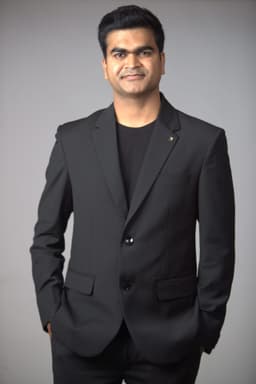
About the author
Dr. R. Brahmananda Reddy
MSc Dermatology, University of Hertfordshire (UK) · Founder & Chief Longevity Physician
MBBS · MSc Dermatology (University of Hertfordshire, UK) · Fellowship in Aesthetic & Regenerative Medicine (University of Greifswald, Germany). 13+ years in clinical practice.
Full profile