In this article
The Zombie Cell Problem
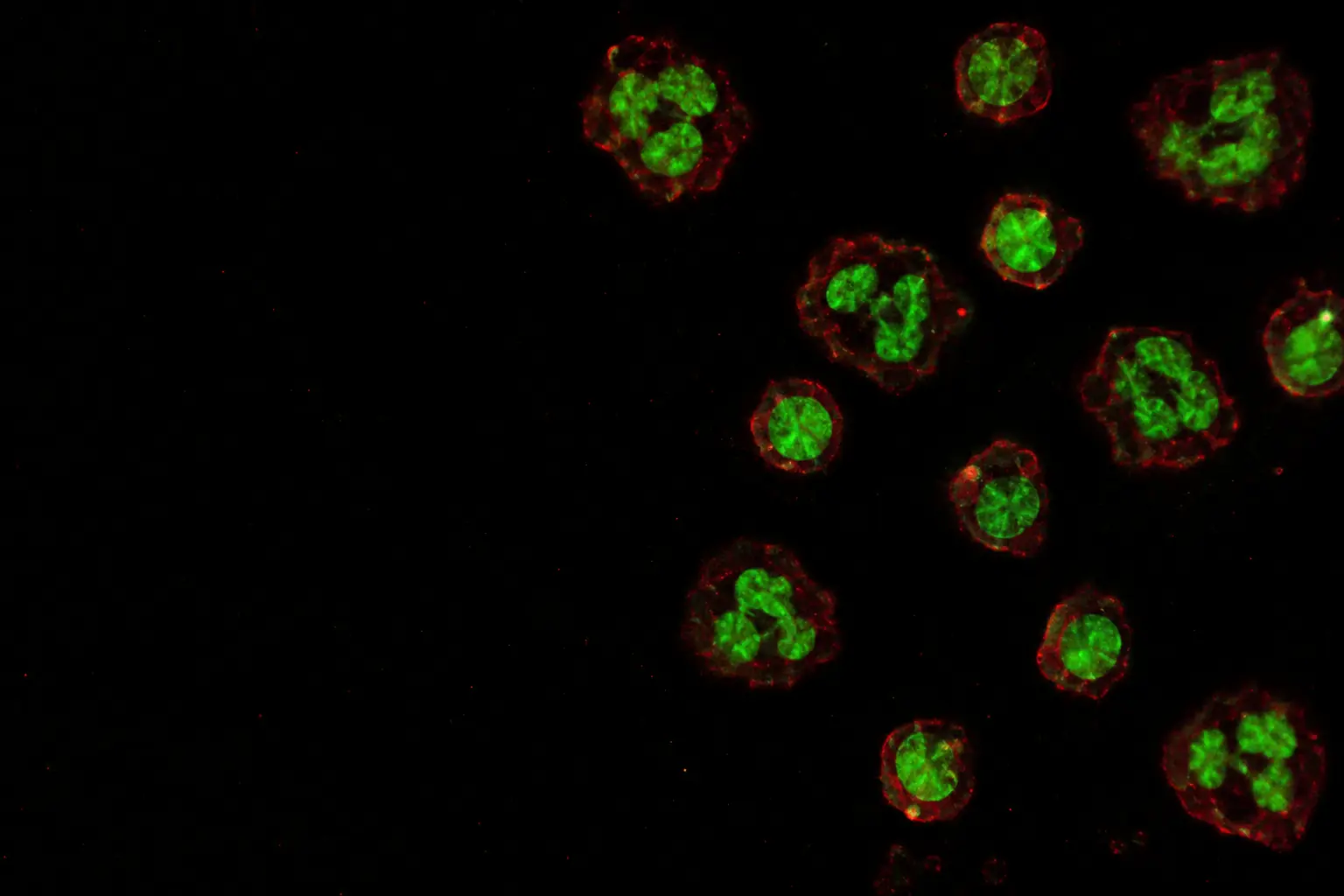
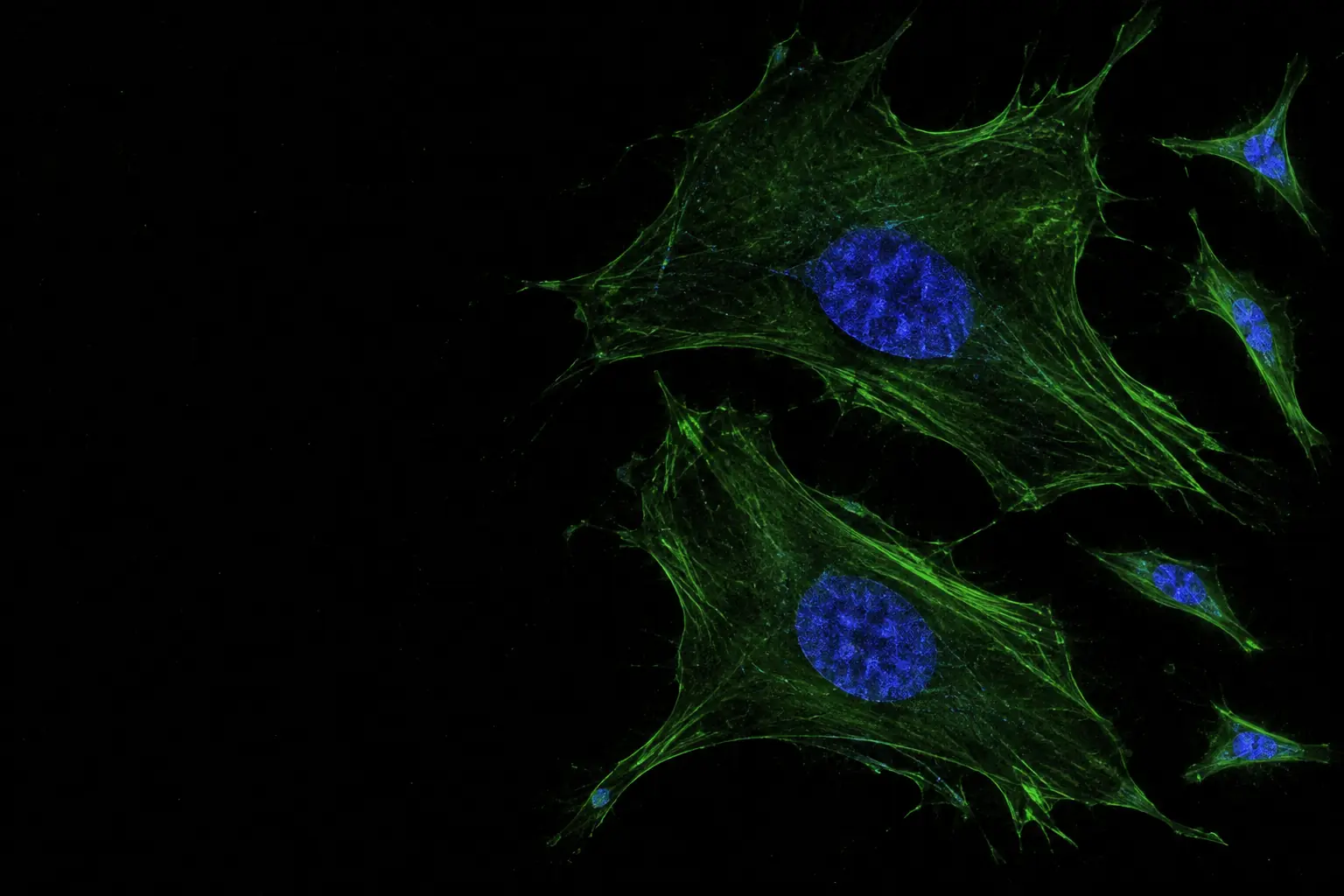
Cellular senescence is a state in which a cell permanently stops dividing but does not die. Instead, it lingers in tissues, secreting inflammatory cytokines — the senescence-associated secretory phenotype (SASP). As we age, senescent cells accumulate and drive chronic inflammation, tissue dysfunction, and age-related disease.
The Leading Senolytic Compounds
Dasatinib + Quercetin (D+Q)
The original senolytic combination. The first human pilot trial (2019, The Lancet eBioMedicine) demonstrated decreased senescent cells and improved physical function in diabetic kidney disease patients after just three days.
Fisetin
In mice, fisetin increased average healthy lifespan by approximately 20%. The AFFIRM trial evaluates fisetin in older adults with frailty.
Next-Generation Approaches
Senolytic CAR-T cells, senolytic vaccines, antibody-drug conjugates, and PROTAC-based senolytics are in development.
The Hit-and-Run Dosing Principle
Senolytics work on intermittent dosing — 1-3 days followed by weeks of rest — because once a senescent cell is eliminated, it does not regrow.
Important Caveats
No senolytic has been approved for anti-aging use. Long-term safety data is lacking. Senescent cells are not purely harmful — they aid wound healing and immune surveillance.
At Genoryx, we monitor senescence-associated biomarkers as part of our comprehensive panels. Book a consultation and navigate the science with precision and honesty.
Sources
Studies named in this article that we matched to the original paper. A study described without enough detail to identify it is not listed.
- 01Hickson LJ, Langhi Prata LGP, Bobart SA, et al. Senolytics decrease senescent cells in humans: Preliminary report from a clinical trial of Dasatinib plus Quercetin in individuals with diabetic kidney disease. EBioMedicine. 2019. doi:10.1016/j.ebiom.2019.08.069 (opens in a new tab)
This article is for education. It is not a diagnosis or a treatment plan; decisions about tests, medicines or supplements belong in a consultation with a physician who knows your history.
About the author
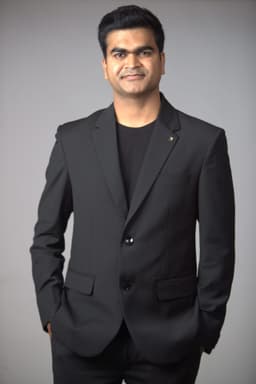
Dr. R. Brahmananda Reddy
MSc Dermatology, University of Hertfordshire (UK) · Founder & Chief Longevity Physician
MBBS · MSc Dermatology (University of Hertfordshire, UK) · Fellowship in Aesthetic & Regenerative Medicine (University of Greifswald, Germany). 13+ years in clinical practice.
Full profile