In this article
- The executive who appeared healthy on paper — until retinal signals suggested otherwise
- What exactly is a retinal AI clock?
- Why the retina is a powerful window into aging
- What the research actually shows so far
- Where retinal AI clocks fit in preventive medicine
- When to assess: The 35–55 prevention window
- What retinal AI can and cannot tell you
- The next frontier: Potential for improvement
- Frequently Asked Questions
The executive who appeared healthy on paper — until retinal signals suggested otherwise
A familiar longevity clinic scenario
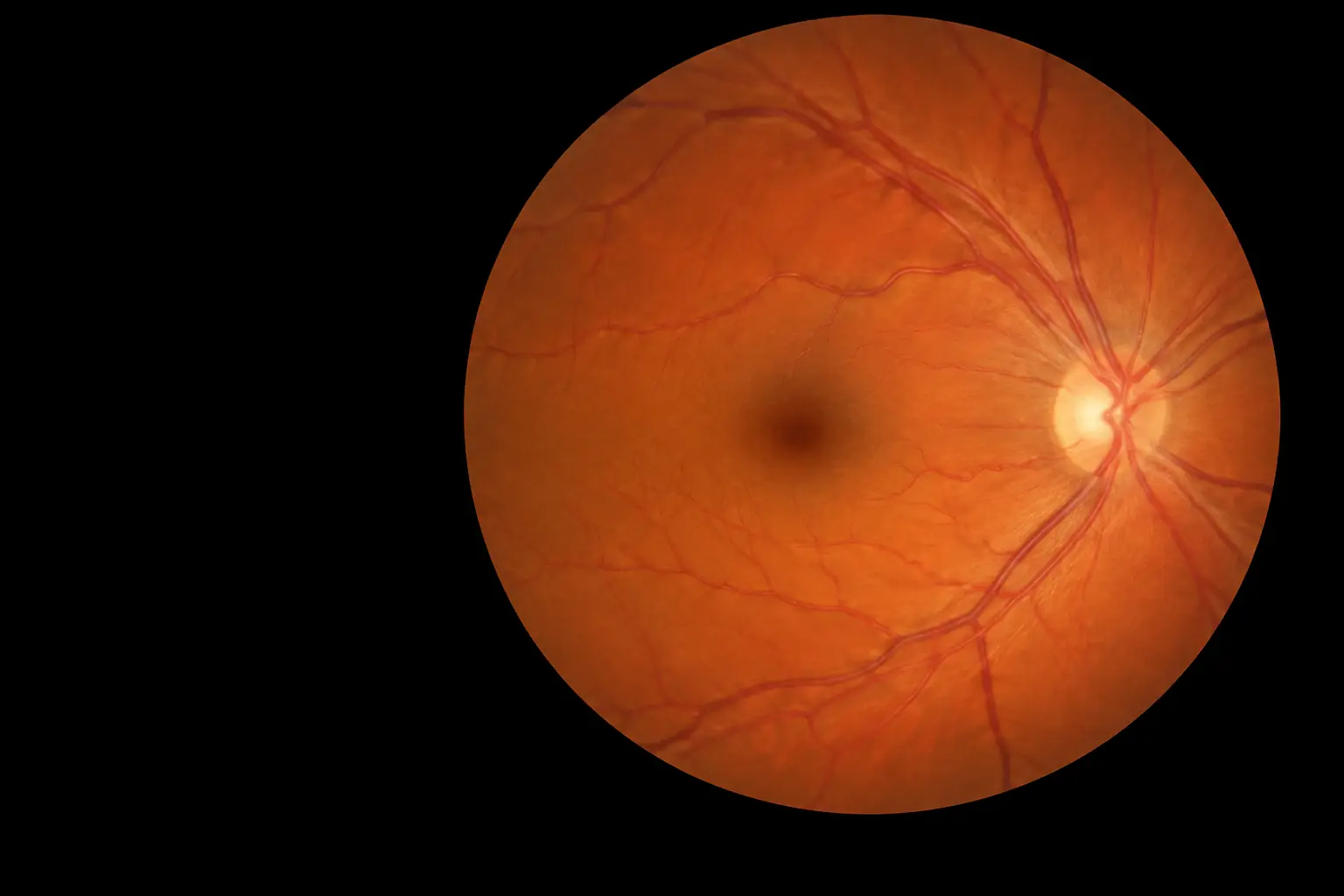
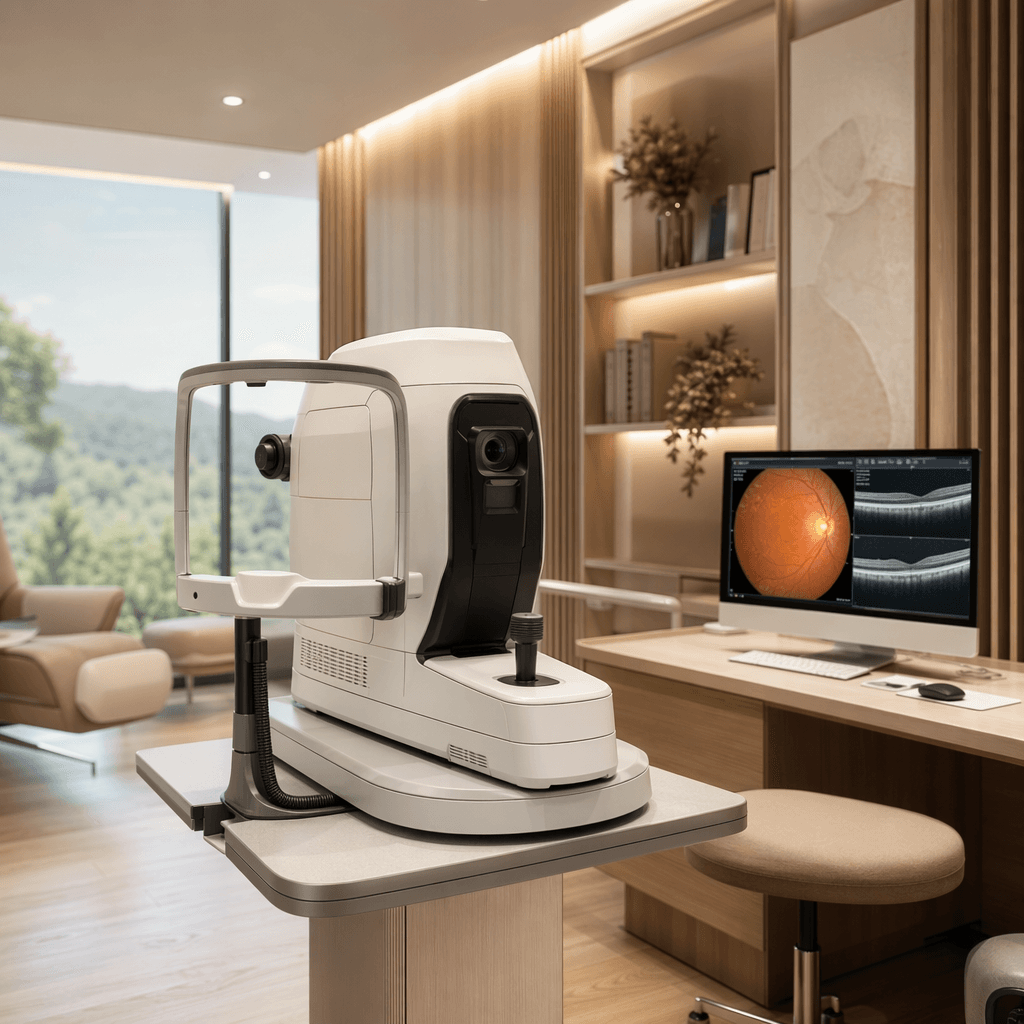
Meet Arvind — 42, co-founder of a Hyderabad SaaS firm. His annual corporate check-up was unremarkable. However, he felt a subtle decline in recovery and focus. At Genoryx, a retinal fundus image was captured as part of his physician-led assessment. An AI model analyzed the microvasculature patterns and provided an estimate of retinal biological age that appeared older than his chronological age. This served not as a diagnosis, but as a signal for deeper investigation under physician supervision.
Why high performers may benefit from early biological age assessment
Conventional check-ups are designed for disease detection, not for measuring the rate of aging. Emerging evidence suggests that biological aging can quietly accelerate even when standard blood panels remain within normal ranges. The retina offers a unique, non-invasive window into the body’s microvasculature. Early clinical data indicates that AI-derived retinal age estimates correlate with systemic aging markers and may help physicians identify elevated cardiovascular risk profiles earlier than traditional methods.
For Arvind, this finding led to a deeper conversation. His physician ordered a Comprehensive Biomarker Panel and Epigenetic Age Testing. This layered data provided a complete picture of his biological trajectory. Precision longevity medicine focuses on reading these early signals through physician-supervised protocols to inform proactive health strategies.
What exactly is a retinal AI clock?
Chronological age vs biological age
While chronological age is fixed, research indicates biological age is dynamic, reflecting cellular wear and resilience. Longevity medicine aims to measure this precisely. Retinal AI clocks are deep learning algorithms trained on large datasets to recognize patterns in microvasculature and nerve layers that correlate with biological health status. Think of it as a structural signature of aging written into the tissue. The 'retinal age gap' is the difference between this AI estimate and your calendar age. A positive gap suggests a signal worth investigating alongside other biomarkers like epigenetic clocks.
Why the retina is a powerful window into aging
The retina is embryologically an outpost of the brain. It allows physicians to observe microvessels—arterioles and venules—in real-time. Research suggests that the architecture of these vessels reflects the cumulative imprint of metabolic history. Because these vessels are structurally analogous to those in the heart and kidneys, retinal patterns may reflect systemic vascular aging processes. Emerging evidence also suggests that neural tissue thinning in the retina may serve as a proxy for neurological health, potentially acting as a 'canary in the coal mine' for systemic stress.
"The retina provides a direct view of microvascular and neural architecture. In physician-led longevity medicine, this combination offers a biologically-grounded signal that complements traditional blood chemistry."
— Dr. R. Brahmananda Reddy, Founder, Genoryx
What the research actually shows so far
The scientific case for retinal AI is maturing. Large-scale observational studies, including those using the UK Biobank, have shown consistent associations between retinal age gaps and health outcomes. Research suggests that individuals with a positive retinal age gap may face higher odds of elevated cardiometabolic risk. While the field is still emerging, particularly regarding neurodegenerative predictive value, the quality of evidence across independent datasets is strengthening its clinical credibility as a risk stratification tool.
Where retinal AI clocks fit in preventive medicine
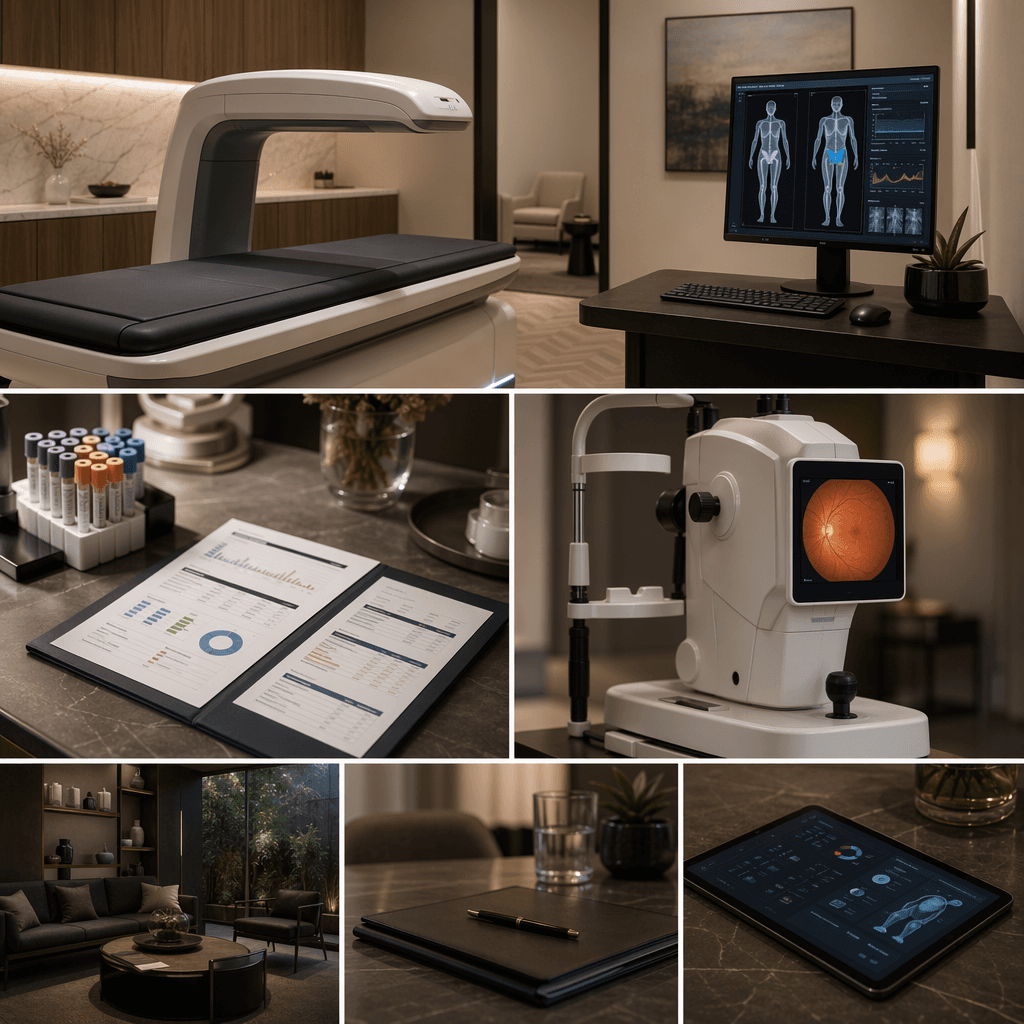
At Genoryx, retinal AI is used for precision stratification—identifying individuals who may be aging faster than expected despite 'normal' routine reports. This is particularly relevant for executives with family histories of cardiovascular disease, metabolic syndrome features, or chronic stress. A retinal signal is never interpreted in isolation; it is cross-referenced with Epigenetic Age Testing and Biomarker Panels. Longitudinal tracking—measuring shifts over time—allows physicians to monitor how biological trajectory responds to personalized protocols.
When to assess: The 35–55 prevention window
The years between 35 and 55 are high-leverage for prevention. This is where retinal AI may offer the most value as an early signal of structural change. Findings like rising ApoB, insulin resistance, or poor sleep quality often correlate with microvascular stress. A baseline evaluation provides a reference point for future physician-supervised longevity protocols, such as NAD+ IV Therapy or Hormone Optimization.
What retinal AI can and cannot tell you
The technology is non-invasive and fast, but it is probabilistic. A retinal age estimate is a statistical signal, not a definitive medical verdict. It should not replace conventional diagnostics but rather guide deeper evaluation. Responsible interpretation requires a physician to weigh the AI output against the full clinical picture. At Genoryx, we use the Spectrum Assessment to triangulate these signals into an actionable plan.
The next frontier: Potential for improvement
Can retinal age improve? While research is ongoing, the plasticity of microvascular architecture suggests that optimizing blood pressure, glycaemia, and inflammatory load may influence retinal signatures over time. Early clinical data suggests that a narrowing retinal age gap may serve as a useful signal that interventions are having the intended effect. The future of longevity involves this multimodal, longitudinal approach to measuring aging velocity.
Frequently Asked Questions
Is this the same as a routine eye test?
No. While imaging may be similar, a retinal AI clock analyzes aging-related vascular patterns for systemic health stratification, whereas routine exams focus on vision and eye-specific diseases.
What if my retinal age is high?
It is a prompt for deeper physician-led evaluation of cardiometabolic markers, inflammation, and lifestyle factors to identify modifiable drivers of aging.
Can it predict disease with certainty?
No. It provides probabilistic risk signals. Its most effective use is for risk stratification and personalizing preventive strategies under medical supervision.
For a physician-led view of your biological age, take the first step toward data-driven longevity.
Go deeper
Related explainers
Sources
Studies named in this article that we matched to the original paper. A study described without enough detail to identify it is not listed.
- 01Zhu Z, Shi D, Guankai P, et al. Retinal age gap as a predictive biomarker for mortality risk. British Journal of Ophthalmology. 2023. doi:10.1136/bjophthalmol-2021-319807 (opens in a new tab)
This article is for education. It is not a diagnosis or a treatment plan; decisions about tests, medicines or supplements belong in a consultation with a physician who knows your history.

About the author
Dr. R. Brahmananda Reddy
MSc Dermatology, University of Hertfordshire (UK) · Founder & Chief Longevity Physician
MBBS · MSc Dermatology (University of Hertfordshire, UK) · Fellowship in Aesthetic & Regenerative Medicine (University of Greifswald, Germany). 13+ years in clinical practice.
Full profile