In this article
Medicine 3.0 in Practice
Peter Attia's book Outlive has done more to mainstream longevity medicine than perhaps any other single work. His framework — which he calls Medicine 3.0 — shifts the focus from reactive disease treatment to proactive health optimization. The goal is not merely to extend lifespan but to extend healthspan: the period of life spent in full physical and cognitive function.
The beauty of Attia's approach is that it is not speculative. It is built on existing evidence, applied with clinical rigor. Here are the core pillars, distilled into actionable principles.
Pillar 1: Exercise — The Most Powerful Longevity Drug
Attia considers exercise the single most potent intervention for longevity. His framework emphasizes four components:
Zone 2 training (3-4 hours/week): Sustained aerobic exercise at an intensity where you can just maintain a conversation. Builds mitochondrial density, improves fat oxidation, and forms the cardiovascular foundation.
VO2 max training (1-2 sessions/week): High-intensity intervals designed to push your maximum aerobic capacity. The 2018 JAMA study showed VO2 max is the strongest predictor of mortality.
Strength training (3-4 sessions/week): Progressive resistance training to combat sarcopenia. Focus on compound movements. Attia emphasizes that muscle is a longevity organ — it is the primary glucose sink, a reservoir of amino acids during illness, and the physical scaffolding that prevents falls and fractures in later life.
Stability and mobility: Maintaining range of motion, balance, and joint health to prevent the injuries that derail older adults from remaining active.
Pillar 2: Nutritional Biochemistry
Attia avoids dietary dogma in favor of biochemical principles:
Protein adequacy: 1.6-2.2 g/kg/day, distributed across meals with at least 30-40g per meal to maximize muscle protein synthesis.
Metabolic health first: Regardless of dietary pattern, the priority is maintaining insulin sensitivity, keeping HbA1c under 5.0%, and minimizing glucose variability (often guided by CGM data).
Caloric management: Neither chronic restriction nor chronic excess. The goal is supporting lean mass while maintaining metabolic health.
Pillar 3: Sleep
Attia considers sleep optimization a non-negotiable longevity intervention. Seven to nine hours of quality sleep affects every biomarker that matters: insulin sensitivity, cortisol, testosterone, growth hormone, cognitive function, immune function, and emotional regulation.
Key sleep hygiene practices include consistent sleep-wake timing, cool sleeping environment (65-68 degrees Fahrenheit), no screens for 1 hour before bed, and limiting alcohol, which disrupts sleep architecture even in moderate amounts.
Pillar 4: Emotional Health
Perhaps surprisingly, Attia identifies emotional health as a critical longevity pillar. Chronic unresolved psychological distress — manifesting as anxiety, depression, relationship dysfunction, or maladaptive coping behaviors — drives cortisol elevation, poor sleep, substance use, and disengagement from healthy behaviors.
Addressing emotional health is not supplementary to longevity — it is foundational.
Applying the Framework
The power of this approach lies in its integration. No single intervention works in isolation. Exercise improves sleep. Sleep improves metabolic health. Metabolic health improves emotional regulation. Emotional health sustains adherence to exercise and nutrition.
At Genoryx, we operationalize these principles with biomarker data, metabolic testing, and physician-guided protocols. Book a consultation to build your personalized longevity toolkit.
Go deeper
Markers in this article
Sources
Studies named in this article that we matched to the original paper. A study described without enough detail to identify it is not listed.
- 01Mandsager K, Harb S, Cremer P, et al. Association of Cardiorespiratory Fitness With Long-term Mortality Among Adults Undergoing Exercise Treadmill Testing. JAMA Network Open. 2018. doi:10.1001/jamanetworkopen.2018.3605 (opens in a new tab)
This article is for education. It is not a diagnosis or a treatment plan; decisions about tests, medicines or supplements belong in a consultation with a physician who knows your history.
About the author
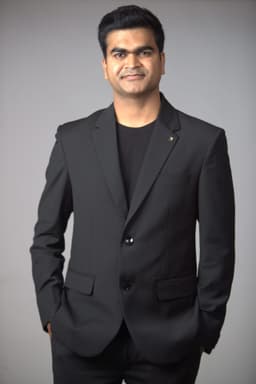
Dr. R. Brahmananda Reddy
MSc Dermatology, University of Hertfordshire (UK) · Founder & Chief Longevity Physician
MBBS · MSc Dermatology (University of Hertfordshire, UK) · Fellowship in Aesthetic & Regenerative Medicine (University of Greifswald, Germany). 13+ years in clinical practice.
Full profile