In this article
The Starting Line, Not the Finish Line
Longevity science can be overwhelming. Between epigenetic clocks, mitochondrial biogenesis, mTOR pathways, and a dozen biomarkers you have never heard of, it is tempting to either do everything at once or nothing at all. This protocol is designed for the second group — people who know they want to start but do not know where.
Think of this as a 30-day foundation. It will not make you biologically immortal. But it will establish the habits and awareness that every meaningful longevity intervention builds upon.
Week 1: Sleep Architecture
We start with sleep because it is the force multiplier. Every other intervention works better when sleep is optimized.
Set a consistent wake time. Choose a wake time you can maintain seven days a week (including weekends) and do not deviate by more than 30 minutes. Your circadian rhythm depends on consistency more than duration.
Create a wind-down ritual. Begin dimming lights 60-90 minutes before bed. No screens during this period (or use blue-light blocking if screens are unavoidable). The goal is to signal melatonin production.
Optimize your sleep environment. Cool (18-20 degrees Celsius), dark (blackout curtains or a sleep mask), and quiet. These three physical conditions have more impact on sleep quality than any supplement.
Track your sleep. Use a wearable or even a simple sleep diary. Awareness creates accountability.
Week 2: Movement Foundation
Walk for 30 minutes after your largest meal. This single habit reduces postprandial glucose spikes by 20-30% and is the lowest-friction exercise intervention that exists.
Begin Zone 2 training. Three sessions of 30 minutes at a conversational pace — brisk walking, cycling, or swimming. You should be able to speak in full sentences but feel like you are working.
Add two sessions of resistance training. Full-body compound movements: squats, push-ups (or chest press), rows, and deadlifts (or hip hinges). Start light. The goal this week is establishing the habit, not setting records.
Week 3: Nutritional Awareness
Implement a 12-hour eating window. If you eat breakfast at 8am, finish dinner by 8pm. This is an accessible starting point for time-restricted eating that most people can sustain.
Prioritize protein at every meal. Aim for 30 grams of protein at breakfast, lunch, and dinner. This supports muscle protein synthesis and improves satiety, naturally reducing snacking.
Eat vegetables before carbohydrates. At meals containing starch or grains, eat vegetables and protein first. This simple sequencing reduces glucose spikes significantly.
Eliminate one ultra-processed food. Identify the single ultra-processed item you consume most frequently (packaged snacks, sugary beverages, instant noodles) and replace it with a whole-food alternative.
Week 4: Measurement and Reflection
Get baseline blood work. At minimum: fasting glucose, fasting insulin, HbA1c, lipid panel (including ApoB if possible), hs-CRP, vitamin D, and a complete thyroid panel. These numbers become your personal dashboard.
Assess your body composition. A DEXA scan provides the most accurate picture, but even waist circumference and waist-to-hip ratio are informative starting points.
Reflect and plan. Review how the past three weeks have felt. What was easy? What was hard? Which habits are sticking? Use this self-knowledge to design the next 90 days.
What Comes Next
This 30-day reset is a foundation, not a destination. The next steps involve deepening each pillar: extending Zone 2 duration, narrowing the eating window, adding high-intensity intervals, optimizing specific biomarkers, and potentially exploring advanced longevity protocols.
At Genoryx, we help you build on this foundation with clinical-grade testing and physician-guided protocols. Book a consultation to transform your 30-day reset into a lifetime of optimized health.
Go deeper
Markers in this article
This article is for education. It is not a diagnosis or a treatment plan; decisions about tests, medicines or supplements belong in a consultation with a physician who knows your history.
About the author
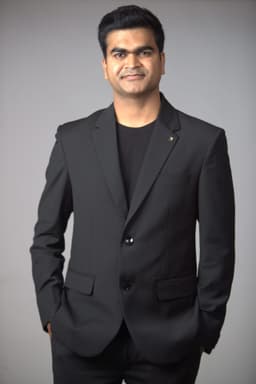
Dr. R. Brahmananda Reddy
MSc Dermatology, University of Hertfordshire (UK) · Founder & Chief Longevity Physician
MBBS · MSc Dermatology (University of Hertfordshire, UK) · Fellowship in Aesthetic & Regenerative Medicine (University of Greifswald, Germany). 13+ years in clinical practice.
Full profile