In this article
- The Molecule Your Mitochondria Cannot Live Without
- The NAD+ Decline: A Universal Feature of Ageing
- Why Does NAD+ Decline?
- The Downstream Consequences
- Approaches to NAD+ Restoration
- What the Evidence Supports — and What It Does Not
- Lifestyle Factors That Support NAD+ Levels
- A Measured Approach to a Promising Therapy
The Molecule Your Mitochondria Cannot Live Without
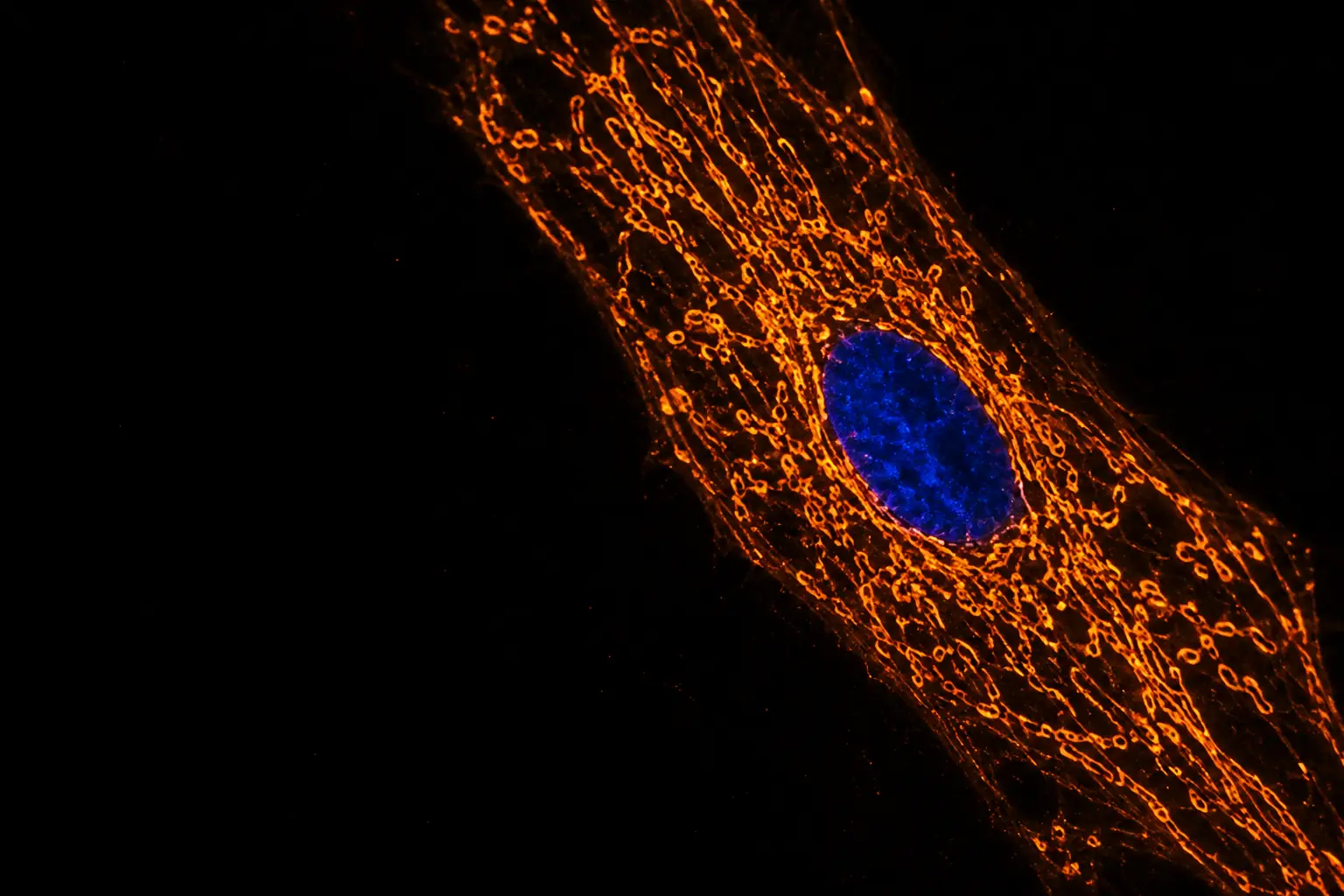
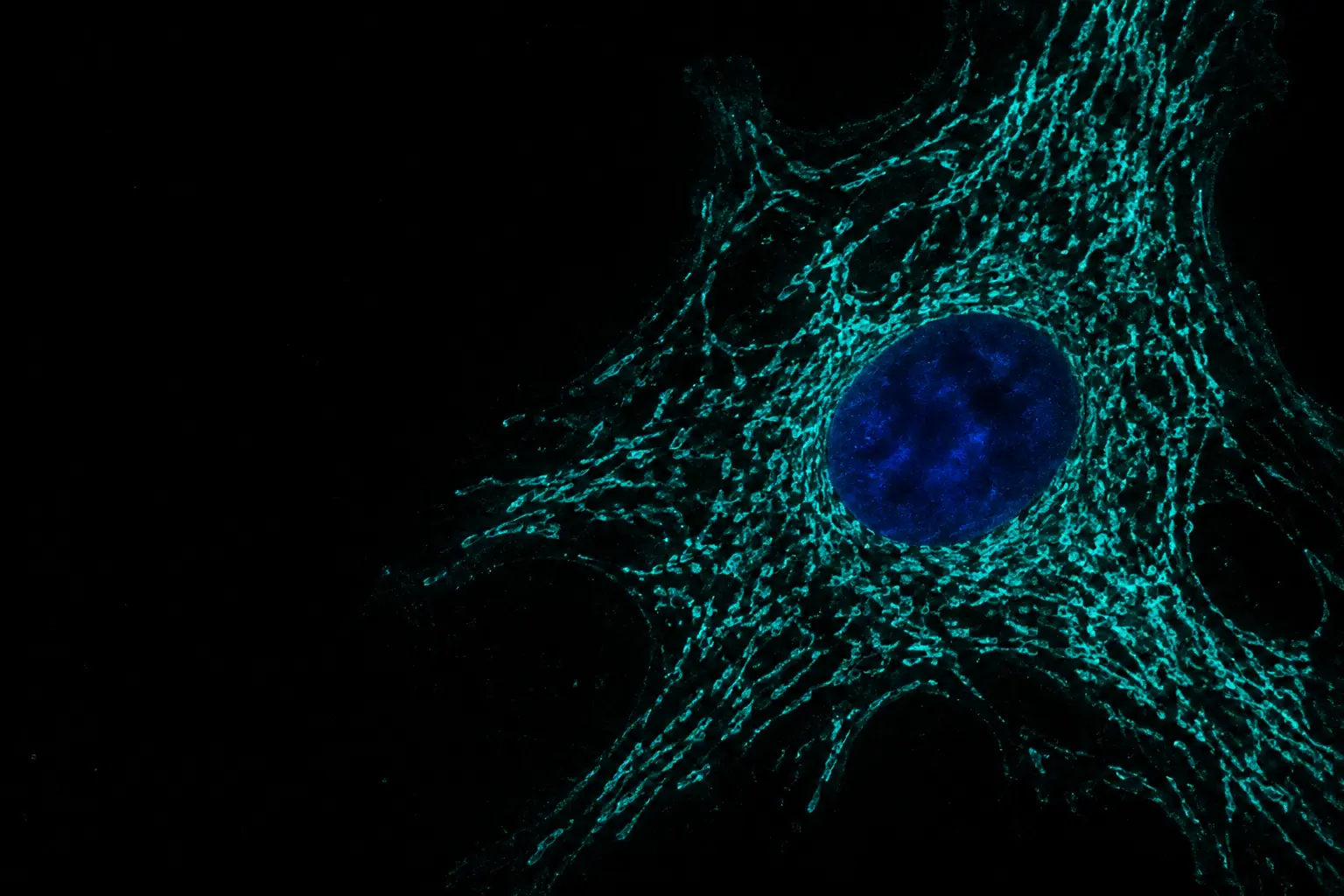
Every cell in your body contains microscopic power plants called mitochondria. These organelles convert the food you eat and the oxygen you breathe into ATP — adenosine triphosphate — the molecular currency of cellular energy. Without ATP, nothing works: your heart cannot beat, your neurons cannot fire, your muscles cannot contract.
At the centre of this energy production process sits a molecule called NAD+ (nicotinamide adenine dinucleotide). NAD+ is a coenzyme present in every living cell, and it is absolutely essential for mitochondrial function. It shuttles electrons in the metabolic reactions that produce ATP, it activates sirtuins — a family of proteins critical for DNA repair and cellular stress response — and it fuels PARP enzymes that maintain genomic integrity.
Without adequate NAD+, your cellular machinery grinds to a halt. And here is the problem: your NAD+ levels are falling with every passing year.
The NAD+ Decline: A Universal Feature of Ageing
Research published in Nature Reviews Molecular Cell Biology has established that NAD+ levels decline progressively with age across multiple tissues in both animal models and humans. The numbers are sobering:
- By age 40, cellular NAD+ levels may have decreased by as much as 50% from their peak in youth
- Between ages 40 and 60, the decline accelerates further, with measurable impacts on mitochondrial efficiency
- By age 60 and beyond, NAD+ depletion is severe enough to significantly impair DNA repair, immune function, and metabolic regulation
This decline is not uniform across all tissues. Some organs — particularly the brain, heart, and skeletal muscle, which have the highest energy demands — are disproportionately affected. As a review in npj Metabolic Health and Disease (2025) noted, NAD+ and mitochondria are concentrated in energetically demanding tissues, and the depletion of NAD+ in these tissues directly limits ATP production efficiency.
Why Does NAD+ Decline?
The mechanisms behind age-related NAD+ loss are multifactorial:
- Increased consumption by CD38 — an enzyme that degrades NAD+ and increases in activity with age and chronic inflammation. CD38 activity can rise significantly in inflammatory states, accelerating NAD+ depletion.
- PARP hyperactivation — as DNA damage accumulates with age, PARP enzymes consume increasing amounts of NAD+ for repair. This creates a vicious cycle: more damage requires more repair, which depletes the NAD+ needed for other critical functions.
- Decreased biosynthesis — the enzymes responsible for producing NAD+ from precursors (particularly NAMPT, the rate-limiting enzyme in the salvage pathway) become less efficient with age.
- Chronic inflammation — inflammatory signalling directly increases NAD+ consumption while simultaneously impairing production. This is particularly relevant for high-stress professionals whose inflammatory markers are chronically elevated.
The Downstream Consequences
The research connecting NAD+ decline to age-related disease is extensive. A comprehensive review in Cold Spring Harbor Perspectives in Medicine documented that NAD+ depletion is causally linked to:
- Cognitive decline and neurodegeneration — reduced NAD+ impairs neuronal energy metabolism and synaptic function. A March 2026 study reported in ScienceDaily found that NAD+ could slow ageing and fight Alzheimer's and Parkinson's disease through improved mitochondrial function in neurons.
- Cardiovascular disease — the heart is one of the most metabolically active organs, consuming and regenerating its entire ATP pool approximately every 10 seconds. NAD+ depletion directly compromises cardiac energy metabolism.
- Metabolic syndrome — impaired NAD+-dependent metabolic pathways contribute to insulin resistance, obesity, and type 2 diabetes.
- Sarcopenia and frailty — declining muscle NAD+ reduces mitochondrial capacity in skeletal muscle, contributing to age-related loss of muscle mass and function.
- Impaired DNA repair — with less NAD+ available, both sirtuin-mediated and PARP-mediated repair pathways become compromised, allowing genomic damage to accumulate.
Approaches to NAD+ Restoration
Oral Precursors: NR and NMN
The most widely studied oral approach involves supplementing with NAD+ precursors — molecules that the body converts into NAD+ through existing metabolic pathways:
- NR (nicotinamide riboside) — the most extensively studied precursor in human clinical trials. Multiple studies have demonstrated that NR supplementation can increase blood NAD+ levels by 40-60% in healthy adults.
- NMN (nicotinamide mononucleotide) — a direct precursor to NAD+ that has shown promise in both animal and early human studies. NMN is one step closer to NAD+ in the biosynthetic pathway than NR.
A 2025 randomized, double-blind, placebo-controlled study published on medRxiv tested a novel NAD+ supporting supplement (Qualia NAD+) in healthy adults aged 35-76 for 28 consecutive days. The results showed an average NAD+ increase of 67% in whole blood, along with significant improvements in quality-of-life measures and reduced symptoms of ageing. This NAD+ increase was notably greater than what is typically reported with NR alone.
IV NAD+ Therapy
Intravenous NAD+ therapy delivers the molecule directly into the bloodstream, bypassing the digestive system and the need for enzymatic conversion. This approach has generated significant clinical interest, though the evidence base is still developing.
A pilot clinical study published on medRxiv (2024) evaluated acute IV NAD+ administration in healthy adults. The study found that after a 6-hour NAD+ infusion, plasma NAD+ levels rose, though with notable urinary excretion observed at six hours — indicating that timing, dosing, and frequency of IV administration are critical variables that require optimisation.
The clinical experience with IV NAD+ suggests that protocols involving repeated sessions (typically 3-10 infusions over 1-3 weeks) may be more effective than single treatments, as they allow for sustained elevation of cellular NAD+ stores. Patients commonly report improvements in energy, mental clarity, and sleep quality, though large-scale controlled trials are still needed to quantify these outcomes rigorously.
Emerging Strategies
A comprehensive review published in Nature Aging (2025) titled "Emerging strategies, applications and challenges of targeting NAD+ in the clinic" highlighted several frontier approaches:
- CD38 inhibition — blocking the enzyme that degrades NAD+ to slow consumption rather than increase supply
- NAMPT activators — enhancing the body's own NAD+ production machinery
- Combination approaches — pairing precursors with CD38 inhibitors or sirtuin activators for synergistic effects
What the Evidence Supports — and What It Does Not
As a physician, I believe in being transparent about where the evidence stands. Here is a balanced assessment:
What is well-established:
- NAD+ declines significantly with age — this is a consistent finding across species and tissues
- NAD+ is essential for mitochondrial energy production, DNA repair, and sirtuin activation
- Oral precursors (particularly NR and NMN) reliably increase circulating NAD+ levels in humans
- Multiple clinical trials targeting neurodegenerative diseases, metabolic conditions, and ageing are underway, with most expected to report results before 2028
What requires more evidence:
- The optimal dosing, frequency, and duration of IV NAD+ therapy
- Whether sustained NAD+ elevation translates to measurable improvements in disease-specific outcomes in large human trials
- The comparative efficacy of different NAD+ restoration strategies (oral vs IV, NR vs NMN vs combination)
What is clear from clinical observation:
- Patients with documented NAD+ deficiency who undergo restoration protocols consistently report subjective improvements in energy, cognitive clarity, and recovery from physical exertion
- These interventions are well-tolerated, with a favourable safety profile in published studies
Lifestyle Factors That Support NAD+ Levels
While therapeutic NAD+ restoration is valuable, lifestyle factors also influence NAD+ metabolism:
- Exercise — physical activity upregulates NAMPT, the rate-limiting enzyme in NAD+ biosynthesis. Regular aerobic exercise is one of the most effective natural ways to maintain NAD+ levels.
- Caloric restriction and time-restricted eating — intermittent fasting activates AMPK and sirtuins, both of which are linked to improved NAD+ metabolism.
- Sleep optimisation — circadian rhythm disruption impairs NAD+ cycling. Consistent sleep-wake patterns support healthy NAD+ oscillation.
- Reducing chronic inflammation — since inflammatory pathways accelerate NAD+ depletion, managing stress, optimising omega-3 intake, and addressing metabolic syndrome can preserve existing NAD+ stores.
A Measured Approach to a Promising Therapy
NAD+ therapy is not a magic bullet. It is one component of a comprehensive longevity strategy that includes biomarker monitoring, exercise prescription, nutritional optimisation, hormonal balance, and stress management. But the foundational science is compelling: without adequate NAD+, your cells cannot produce energy efficiently, repair their DNA, or activate the protective pathways that slow biological ageing.
The question worth asking is not whether NAD+ matters — the science on that is settled. The question is what your current levels are and whether targeted restoration could change your trajectory.
At Genoryx, we measure what your annual checkup misses — including NAD+ and the metabolic markers that reveal your cellular energy status. Our longevity physicians design evidence-based NAD+ restoration protocols tailored to your biochemistry. Book your assessment and find out where your cellular energy stands.
Sources
Studies named in this article that we matched to the original paper. A study described without enough detail to identify it is not listed.
- 01Blomquist S, Kelly G, Adaes S, et al. A Novel NAD+ Supporting Supplement Increased NAD+ Levels, Improved Well-Being, and Alleviated Aging Symptoms: A Randomized, Double-Blind, Placebo-Controlled Study. medRxiv (preprint). 2025. doi:10.1101/2025.05.14.25327611 (opens in a new tab)
- 02Zhang J, Wang HL, Lautrup S, et al. Emerging strategies, applications and challenges of targeting NAD(+) in the clinic. Nature Aging. 2025. doi:10.1038/s43587-025-00947-6 (opens in a new tab)
This article is for education. It is not a diagnosis or a treatment plan; decisions about tests, medicines or supplements belong in a consultation with a physician who knows your history.

About the author
Dr. R. Brahmananda Reddy
MSc Dermatology, University of Hertfordshire (UK) · Founder & Chief Longevity Physician
MBBS · MSc Dermatology (University of Hertfordshire, UK) · Fellowship in Aesthetic & Regenerative Medicine (University of Greifswald, Germany). 13+ years in clinical practice.
Full profile