Now accepting new Members for precision longevity programs.Learn more
Whole-Body Cryotherapy
Three-minute whole-body exposure at -110°C for rapid inflammation reduction, endorphin release, and enhanced recovery. Used by elite athletes worldwide.
3 minutes (cold exposure) + 10-minute preparation
As needed; 2-3 per week for active recovery protocols
None — resume activity immediately
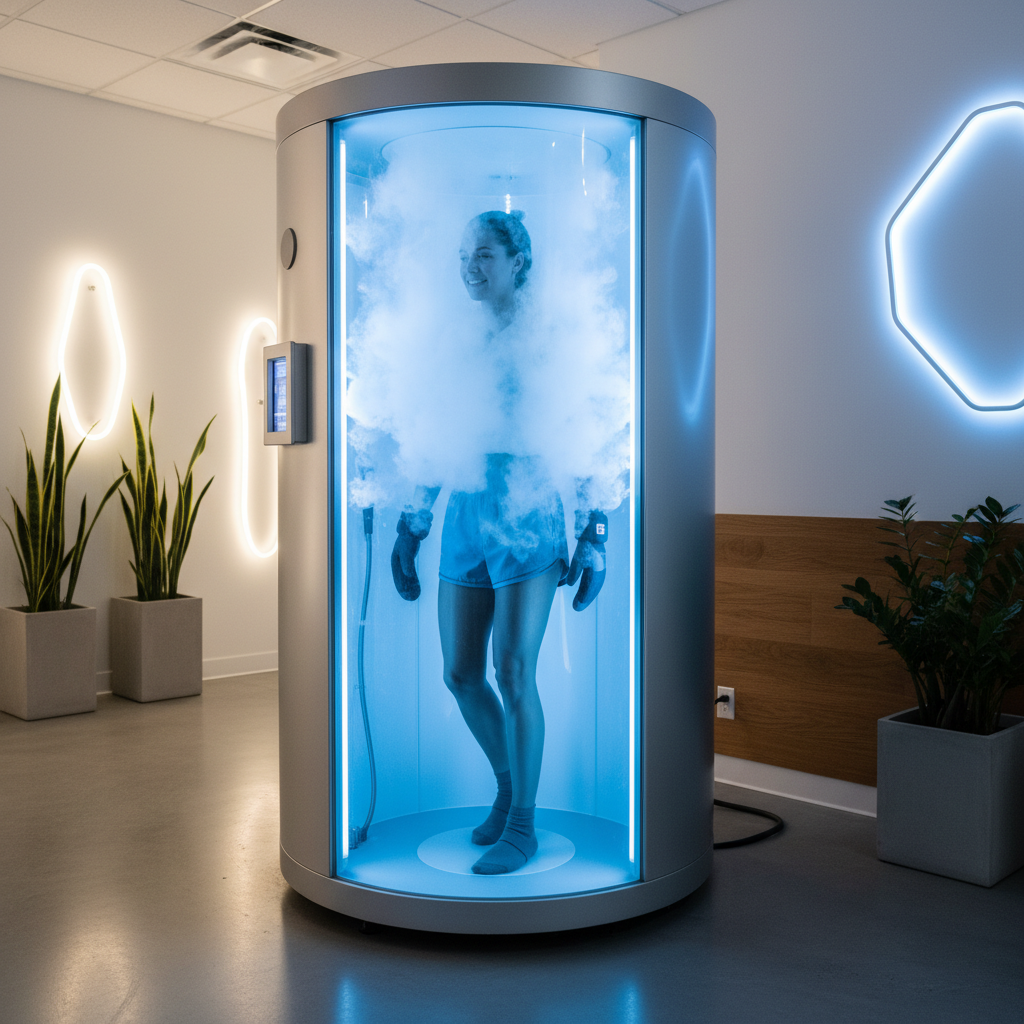
Whole-body cryotherapy exposes the body to extreme cold — typically between minus 110 and minus 140 degrees Celsius — for two to three minutes in a purpose-built chamber. The physiological response is dramatic and immediate: peripheral blood vessels constrict (vasoconstriction) to preserve core temperature, blood is redirected to the torso where it circulates through vital organs and becomes enriched with oxygen and anti-inflammatory proteins, heart rate variability shifts toward parasympathetic dominance, and the hypothalamus triggers a cascade of endorphin and norepinephrine release.
The evidence base for cryotherapy's anti-inflammatory effects is robust. A 2010 study published in PLoS ONE found that whole-body cryotherapy significantly reduced pro-inflammatory cytokines (IL-1 beta, TNF-alpha) while increasing anti-inflammatory IL-10 in patients with chronic inflammatory conditions. A 2017 meta-analysis in the International Journal of Sports Physiology and Performance confirmed that cryotherapy reduced subjective muscle soreness and improved perceived recovery in athletes — effects that, while not always reflected in every biomarker measured, were consistent and clinically meaningful.
Beyond inflammation, cryotherapy triggers a significant neuroendocrine response. Norepinephrine levels increase two to three-fold after a single session, which improves focus, mood, and alertness. This is the same neurotransmitter system targeted by cold water immersion (the "cold plunge" popular in biohacking), but whole-body cryotherapy achieves the cold stimulus more uniformly, more reproducibly, and without the cardiovascular risks of sudden ice water immersion in unsupervised settings.
A session at our clinic takes approximately three minutes of cold exposure, preceded by a brief preparation and safety briefing. You wear minimal clothing (shorts, socks, gloves, ear protection) to maximise skin surface exposure. The experience is intense but tolerable — and most patients describe a significant mood lift and energy surge within minutes of stepping out. There is no downtime and you can resume normal activity, including exercise, immediately.
Cryotherapy is an excellent standalone recovery modality and pairs particularly well with red light therapy (cryotherapy for systemic anti-inflammation, red light for targeted tissue repair) and exercise (post-workout cryotherapy reduces DOMS). Book a consultation with our longevity physician to add cryotherapy to your recovery stack.