In this article
Brilliant Minds, Breaking Bodies
The stretch from HITEC City through Gachibowli, Nanakramguda, and the Financial District is one of the most intellectually dense corridors in India. Microsoft, Google, Amazon, Apple, Deloitte, and hundreds of other companies employ tens of thousands of knowledge workers who solve complex problems daily.
Yet the lifestyle profile of this corridor is a textbook prescription for accelerated aging: prolonged sitting, chronic sleep deprivation, high stress, erratic eating patterns, minimal physical activity, and frequent travel. The paradox is striking — the people optimizing India's most sophisticated systems are systematically neglecting their own biological operating system.
The Tech Worker Health Profile
Research on tech industry health outcomes is sobering:
Sedentary behavior: The average knowledge worker sits for 9-11 hours per day. A 2015 meta-analysis in Annals of Internal Medicine found that prolonged sitting was associated with a 34% higher mortality risk, even among those who exercise regularly. Sitting is not just the absence of exercise — it is an independent health risk.
Sleep disruption: Global team collaborations across time zones, late-night on-call rotations, and blue light exposure from screens well past midnight create a population with chronically disrupted circadian rhythms. Many tech professionals report sleeping 5-6 hours on weeknights.
Metabolic dysfunction: Office canteens and food delivery apps deliver a constant stream of refined carbohydrates, sugary beverages, and ultra-processed snacks. Combined with inactivity, this diet drives insulin resistance — often invisibly, in individuals who appear lean.
"Thin outside, fat inside" (TOFI): South Asian genetics predispose to visceral fat accumulation at lower BMIs. A tech worker with a "healthy" BMI of 23 may harbor metabolically dangerous visceral fat deposits that standard measurements miss. DEXA scans frequently reveal this hidden risk.
Why Standard Checkups Fall Short
Corporate health checkups in India are typically designed to screen for existing disease: fasting glucose, basic lipid panel, blood pressure, chest X-ray. This is disease detection, not health optimization. By the time these tests become abnormal, the underlying dysfunction has been building for years.
A longevity clinic approaches health differently. Instead of asking "Are you sick?" it asks "How far are you from optimal?" The tools are different: advanced lipid testing (ApoB, Lp(a)), metabolic health markers (fasting insulin, HOMA-IR, CGM data), body composition analysis (DEXA), cardiorespiratory fitness testing (VO2 max), hormonal panels, inflammatory markers, and epigenetic age testing.
The Business Case for Longevity
For companies, the argument is straightforward: a healthier workforce is a higher-performing workforce. Cognitive function, creativity, decision-making capacity, and emotional regulation are all directly influenced by metabolic health, sleep quality, and cardiovascular fitness.
For individuals, the argument is personal: you are building a career that may span 30-40 more years. The body and brain you invest in today will determine whether those decades are productive and fulfilling or characterized by declining function.
Genoryx in the Tech Corridor
Genoryx exists precisely for this community. We understand the unique health challenges of Hyderabad's tech professionals because we are embedded in this corridor. Our assessments are designed for high-performers who want clinical-grade health optimization — not just reassurance. Book a consultation and let us help you perform as well biologically as you do professionally.
Go deeper
Markers in this article
This article is for education. It is not a diagnosis or a treatment plan; decisions about tests, medicines or supplements belong in a consultation with a physician who knows your history.
About the author
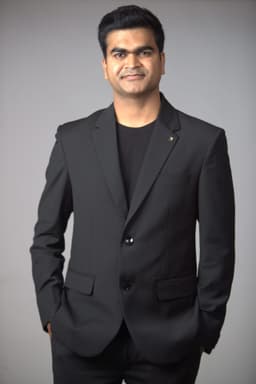
Dr. R. Brahmananda Reddy
MSc Dermatology, University of Hertfordshire (UK) · Founder & Chief Longevity Physician
MBBS · MSc Dermatology (University of Hertfordshire, UK) · Fellowship in Aesthetic & Regenerative Medicine (University of Greifswald, Germany). 13+ years in clinical practice.
Full profile