In this article
The Silent Fire Inside
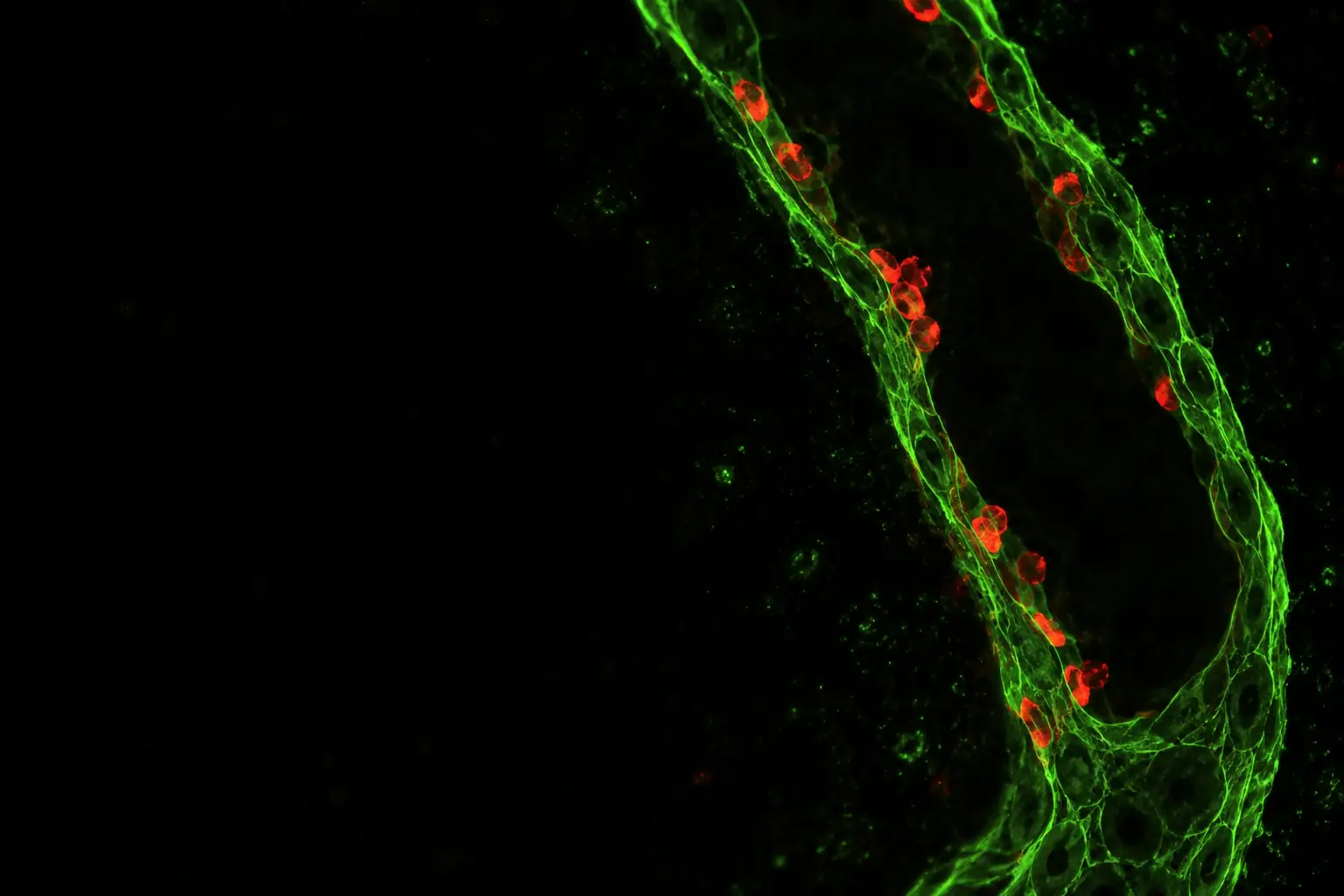
Imagine a fire burning inside your blood vessels — not the kind you can feel, but one that quietly damages arterial walls, destabilizes plaques, and sets the stage for heart attacks and strokes. This is chronic systemic inflammation, and for decades, we lacked a simple way to measure it.
Then came high-sensitivity C-reactive protein (hs-CRP).
What Is hs-CRP?
C-reactive protein is produced by the liver in response to inflammation anywhere in the body. The "high-sensitivity" assay detects it at very low concentrations — levels that a standard CRP test would miss entirely. This sensitivity makes hs-CRP particularly useful for assessing low-grade chronic inflammation, the kind that drives cardiovascular disease over years and decades.
The Predictive Power
The evidence for hs-CRP as a cardiovascular risk predictor is robust and extensive:
The landmark JUPITER trial (2008) demonstrated that individuals with elevated hs-CRP — even those with normal LDL cholesterol — had significantly elevated cardiovascular risk. Treating these patients with statins reduced both hs-CRP and cardiovascular events by nearly 50%.
A 2020 meta-analysis in the European Heart Journal encompassing over 160,000 participants confirmed that hs-CRP independently predicts cardiovascular events, stroke, and all-cause mortality even after adjusting for traditional risk factors like age, blood pressure, cholesterol, and smoking.
The American Heart Association classifies cardiovascular risk based on hs-CRP levels: below 1.0 mg/L is low risk, 1.0-3.0 mg/L is moderate risk, and above 3.0 mg/L is high risk.
Beyond Cardiovascular Disease
The implications of hs-CRP extend well beyond the heart. Elevated levels have been associated with increased risk of type 2 diabetes, cognitive decline, cancer, and accelerated biological aging. In the longevity framework, hs-CRP is essentially a systemic aging accelerator marker.
Chronic inflammation is considered one of the twelve hallmarks of aging. When hs-CRP is persistently elevated, it signals that your immune system is in a state of constant low-grade activation — burning through resources, damaging tissues, and promoting the very diseases that shorten healthspan.
What Drives hs-CRP Up?
Numerous factors contribute to elevated hs-CRP: visceral adiposity (belly fat is an inflammatory organ), poor sleep quality, chronic stress, sedentary behavior, smoking, excessive alcohol, ultra-processed diets, and untreated infections or autoimmune conditions.
The good news: hs-CRP is highly responsive to lifestyle interventions. Regular exercise, weight loss (particularly visceral fat reduction), Mediterranean-style diets, omega-3 fatty acids, and stress reduction have all been shown to meaningfully lower hs-CRP levels.
A Non-Negotiable Biomarker
At Genoryx, hs-CRP is a standard inclusion in every biomarker panel we order. We consider it non-negotiable. If your last health checkup did not include hs-CRP, you are missing one of the most powerful and inexpensive windows into your inflammatory status and cardiovascular trajectory. Book a consultation and let us check the fire you cannot feel.
Go deeper
Markers in this article
Sources
Studies named in this article that we matched to the original paper. A study described without enough detail to identify it is not listed.
- 01Ridker PM, Danielson E, Fonseca FA, et al. Rosuvastatin to prevent vascular events in men and women with elevated C-reactive protein. New England Journal of Medicine. 2008. doi:10.1056/NEJMoa0807646 (opens in a new tab)
- 02López-Otín C, Blasco MA, Partridge L, et al. Hallmarks of aging: An expanding universe. Cell. 2023. doi:10.1016/j.cell.2022.11.001 (opens in a new tab)
This article is for education. It is not a diagnosis or a treatment plan; decisions about tests, medicines or supplements belong in a consultation with a physician who knows your history.

About the author
Dr. R. Brahmananda Reddy
MSc Dermatology, University of Hertfordshire (UK) · Founder & Chief Longevity Physician
MBBS · MSc Dermatology (University of Hertfordshire, UK) · Fellowship in Aesthetic & Regenerative Medicine (University of Greifswald, Germany). 13+ years in clinical practice.
Full profile