In this article
The Simplest Test That Predicts Everything
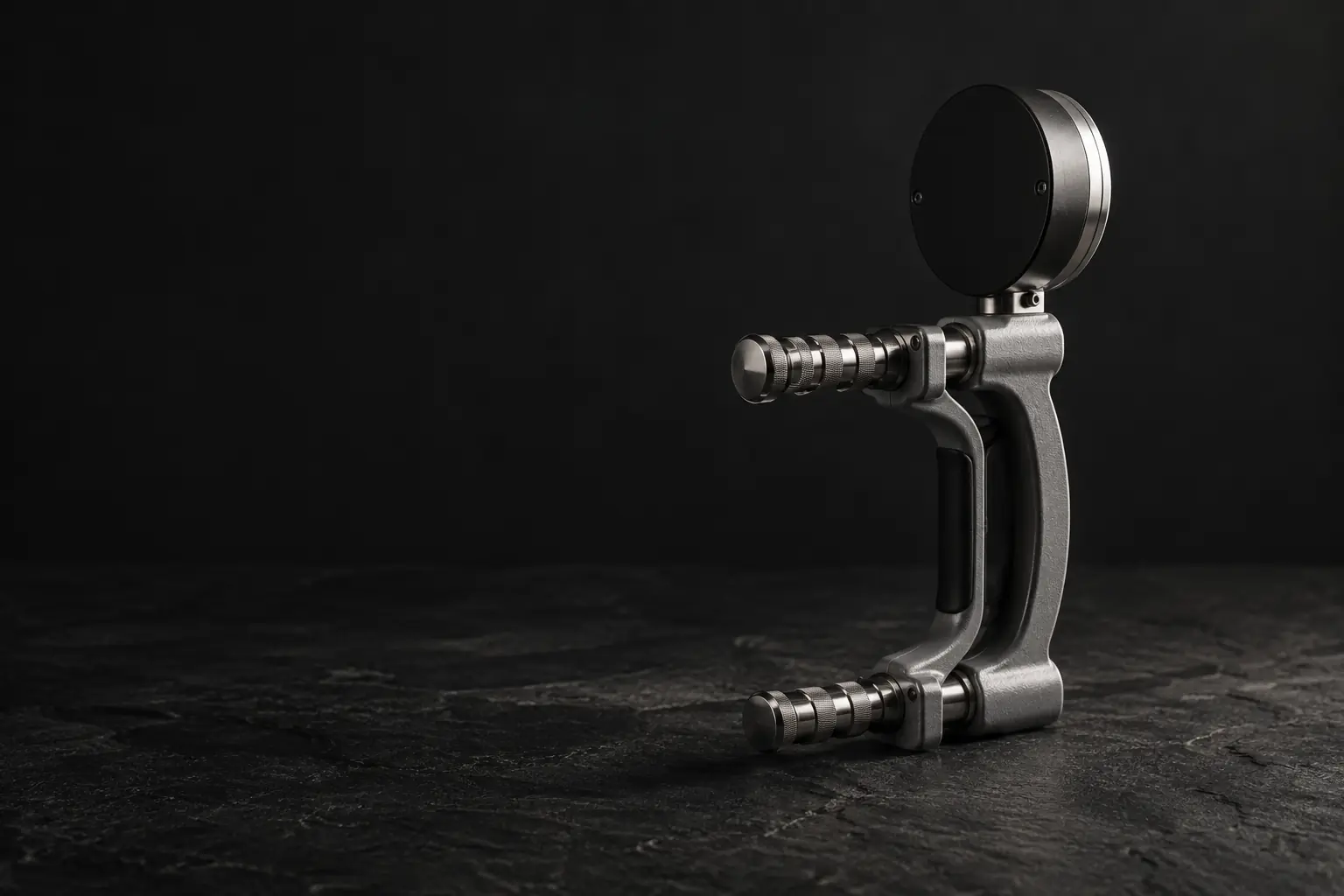
The PURE study, published in The Lancet, followed nearly 140,000 participants across 17 countries. Grip strength was a stronger predictor of all-cause mortality, cardiovascular death, and myocardial infarction than systolic blood pressure.
A meta-analysis of 42 studies with over 3 million participants confirmed each 5 kg reduction in grip strength is associated with a 16% increase in all-cause mortality risk (HR 1.16).
Why Grip Strength Predicts So Much
Grip strength is a proxy for total body muscle mass, neuromuscular function, nutritional status, systemic inflammation, hormonal health, and cardiovascular fitness.
Normal and Optimal Values
Clinical thresholds for concern: Men < 26 kg, Women < 18 kg. Aim for upper quartile of your age-sex group.
How to Improve Grip Strength
Dead hangs, farmer carries, plate pinches, towel pull-ups, deadlifts, kettlebell swings. Grip tolerates high-frequency training — 3-4 times per week produces measurable improvements in 4-6 weeks.
The Indian Context
Indian populations show significantly lower grip strength values, driven by lower protein intake, widespread vitamin D deficiency, and high physical inactivity rates among IT professionals.
At Genoryx, grip strength testing is a standard component of our longevity assessment. Book a consultation and discover what your grip reveals about your biological age.
Sources
Studies named in this article that we matched to the original paper. A study described without enough detail to identify it is not listed.
- 01Leong DP, Teo KK, Rangarajan S, et al. Prognostic value of grip strength: findings from the Prospective Urban Rural Epidemiology (PURE) study. Lancet. 2015. doi:10.1016/S0140-6736(14)62000-6 (opens in a new tab)
- 02Wu Y, Wang W, Liu T, et al. Association of Grip Strength With Risk of All-Cause Mortality, Cardiovascular Diseases, and Cancer in Community-Dwelling Populations: A Meta-analysis of Prospective Cohort Studies. Journal of the American Medical Directors Association. 2017. doi:10.1016/j.jamda.2017.03.011 (opens in a new tab)
This article is for education. It is not a diagnosis or a treatment plan; decisions about tests, medicines or supplements belong in a consultation with a physician who knows your history.

About the author
Dr. R. Brahmananda Reddy
MSc Dermatology, University of Hertfordshire (UK) · Founder & Chief Longevity Physician
MBBS · MSc Dermatology (University of Hertfordshire, UK) · Fellowship in Aesthetic & Regenerative Medicine (University of Greifswald, Germany). 13+ years in clinical practice.
Full profile